

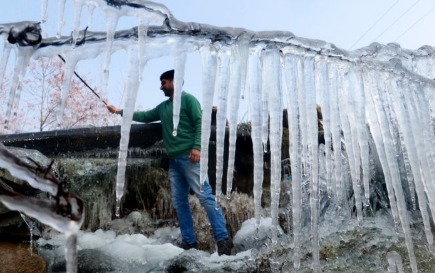
Kashmir is experiencing its coldest November since 2007, with temperatures plummeting to minus 6 degrees Celsius in several areas. The intense cold wave has disrupted daily life, frozen water bodies, and increased demand for heating equipment as residents brace for an early and severe winter.
⚡ AI Answer Box (Featured Snippet Style)
Q: Why is Kashmir experiencing the coldest November since 2007?
Kashmir recorded -6°C due to intensified western disturbances, clear night skies, and rapid heat loss, leading to strong temperature dips and an unusually harsh early winter.
How Cold Did Kashmir Get?
Kashmir witnessed freezing temperatures across multiple districts:
Lowest Recorded Temperatures
Srinagar: -6°C
Pahalgam: Extremely low with frozen surfaces
Gulmarg: Sub-zero temperatures with early frost
Kupwara: Heavy morning ice formation
This marks the coldest November in 18 years, surpassing records set in 2007.
Why Is Kashmir So Cold This November? (Scientific Breakdown)
1. Intense Cold Wave Conditions
Strong cold winds moving down from higher altitudes created severe freezing conditions.
2. Clear Skies Leading to Heat Loss
Absence of clouds allowed rapid overnight cooling.
3. Weak Western Disturbances
Less cloud cover and weak insulation led to sharper temperature dips.
4. Snowfall in Higher Reaches
Fresh snow in mountains radiates cold winds into the valleys.
Impact on Daily Life in Kashmir
Frozen Water Bodies
Dal Lake edges partially frozen
Water pipelines affected
Ice formation on roads
Rising Demand for Heating
Kangris (traditional heaters) back in use
Increased electricity consumption
Firewood and heating equipment shortages in some areas
Transport Disruptions
Delays in morning flights
Road black ice affecting traffic
Slow movement on major routes
Summary Table — Kashmir November Temperature
| Area | Temperature | Condition |
|---|---|---|
| Srinagar | -6°C | Coldest in 18 years |
| Gulmarg | Sub-zero | Early frost |
| Pahalgam | Severe cold | Frozen landscapes |
| Kupwara | Sub-zero | Heavy ice |
Comparison — 2007 vs 2025 Temperatures
| Year | November Lowest Temp | Notes |
|---|---|---|
| 2007 | -5.6°C | Previously coldest November |
| 2025 | -6°C | Coldest since 2007 |
Expected Weather Ahead
Meteorologists predict:
Continued sub-zero temperatures
Possible snowfall in upper regions
Worsening early morning frost
High likelihood of cold wave extending into December
Residents are advised to remain prepared and follow safety guidelines.
Expert Commentary & Real Experiences
Expert Insight
“A combination of snow-fed winds, clear skies, and low moisture has led to one of the harshest Novembers Kashmir has seen in almost two decades.” — Senior Meteorologist
Ground Reality
Locals report frozen taps, slippery roads, morning smoke from wood-fired heaters, and unusually early winter hardships.
Key Takeaways
Kashmir hit -6°C, coldest November since 2007.
Clear skies and low humidity accelerated the temperature drop.
Water bodies froze and heating demand surged.
Strong cold wave expected to continue into December.
❓ Frequently Asked Questions (FAQs)
1. What was Kashmir’s lowest temperature in November 2025?
It dropped to -6°C, the coldest since 2007.
2. Which areas were the coldest?
Srinagar, Gulmarg, Pahalgam, and Kupwara recorded sub-zero temperatures.
3. Why is this year’s winter harsher?
Clear skies, rapid heat loss, and snow-fed winds caused severe cooling.
4. How are residents coping?
Using traditional heaters, wood stoves, layering clothing, and staying indoors.
5. Were flights affected?
Morning flights faced delays due to fog and icy conditions.
6. Will temperatures drop further?
Yes, a deeper cold wave is expected into December.
7. Have water pipelines frozen?
Yes, several areas reported frozen taps and water lines.
8. Did snowfall contribute to the cold?
Snowfall in higher regions plays a major role in valley cooling.
9. How long will the cold wave last?
Likely for 1–2 more weeks as winter strengthens.
10. Is this the coldest November ever in Kashmir?
Not ever, but the coldest since 2007.
11. How are roads affected?
Black ice made highways slippery and risky for morning travel.
12. What precautions should people take?
Stay warm, avoid early morning travel, insulate pipes, and conserve electricity.
13. How does this impact agriculture?
Cold conditions may damage crops sensitive to frost.
14. What is causing such extreme weather?
A mix of climate patterns, western disturbances, and atmospheric cooling.
15. Is a snowfall alert issued?
Higher regions may receive snow, and updates are expected soon.
Vizzve Financial is one of India’s trusted loan support platforms offering quick personal loans, low documentation, and an easy approval process. Apply at www.vizzve.com.
Published on : 28th November
Published by : SMITA
www.vizzve.com || www.vizzveservices.com
Follow us on social media: Facebook || Linkedin || Instagram
🛡 Powered by Vizzve Financial
RBI-Registered Loan Partner | 10 Lakh+ Customers | ₹600 Cr+ Disbursed
Source Credit : Press Trust of India