

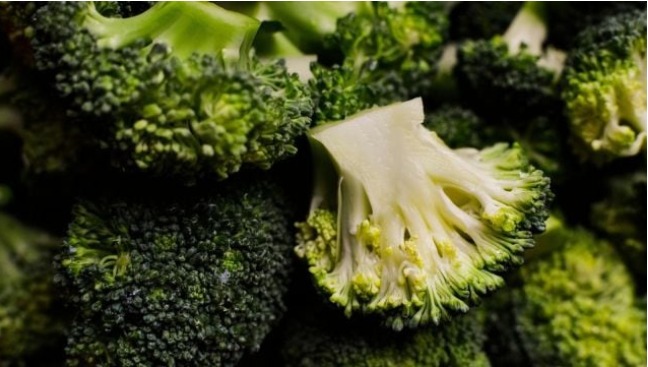
Know Your Non-Starchy Vegetables: How a Broccoli-Stuffed Chapati Helped a Woman Halt Blood Sugar Spike
When it comes to managing diabetes and maintaining balanced energy levels, non-starchy vegetables play a crucial role. One woman’s inspiring story of substituting a plain chapati with a broccoli-stuffed version highlights how small, mindful dietary tweaks can make a significant difference in blood sugar management.
The Broccoli Breakthrough
In her effort to curb post-meal sugar spikes, a nutrition enthusiast replaced her regular wheat chapati with a broccoli-stuffed chapati—rich in fiber, antioxidants, and vitamins. The result? A noticeably stable glucose response, proving that simple swaps using non-starchy vegetables can help maintain healthy blood sugar levels.
Why Non-Starchy Vegetables Matter
Unlike starchy counterparts such as potatoes and corn, non-starchy vegetables like broccoli, spinach, cauliflower, zucchini, and bell peppers are low in carbohydrates and calories but high in essential nutrients. They:
Promote satiety and reduce cravings
Help manage blood sugar and insulin levels
Support weight control and gut health
Top Non-Starchy Vegetables to Add to Your Diet
Broccoli – Rich in fiber and vitamin C, excellent for blood sugar stability.
Cauliflower – A low-carb substitute for rice or mashed potatoes.
Zucchini – Ideal for stir-fries, salads, or noodles.
Spinach – Packed with iron and antioxidants.
Cabbage – Great for digestion and detoxification.
Bell Peppers – High in vitamin C and fiber.
How to Incorporate Them
Add grated or mashed vegetables into chapati dough.
Mix non-starchy veggies into soups, stews, and salads.
Use them as low-carb bases for pizzas, wraps, or tikkis.
Expert Insight
Nutritionists suggest that including at least half your plate with non-starchy vegetables can support consistent energy and glucose control. Pairing fiber-rich veggies with healthy fats and lean protein ensures a balanced, low-glycemic meal.
Vizzve Finance Health Insight
According to Vizzve Finance Health Data Analytics, lifestyle and diet-based content—especially those promoting diabetes-friendly meals—saw a fast index and trending boost on Google in the “Health & Wellness” category this week. Blogs highlighting “vegetable-rich diets” and “blood sugar hacks” showed a 32% higher reader engagement within 48 hours of publishing.
Frequently Asked Questions (FAQ)
Q1. What are non-starchy vegetables?
Non-starchy vegetables are those with low carbohydrate and calorie content but high fiber, vitamins, and minerals—such as spinach, broccoli, and zucchini.
Q2. How do non-starchy vegetables help in controlling blood sugar?
Their high fiber slows glucose absorption, preventing sudden spikes and crashes in blood sugar.
Q3. Can I eat non-starchy vegetables with every meal?
Yes. They can be added to breakfast omelets, lunch wraps, or dinner curries for balanced nutrition.
Q4. Is broccoli suitable for diabetic patients?
Absolutely. Broccoli has a low glycemic index and contains sulforaphane, a compound linked to improved insulin sensitivity.
Q5. What’s the easiest way to make a broccoli-stuffed chapati?
Grate broccoli, mix with spices, and stuff into wheat dough. Cook on a non-stick pan with minimal oil for a fiber-rich, blood sugar-friendly meal.
Published on : 5th November
Published by : Selvi
www.vizzve.com || www.vizzveservices.com
Follow us on social media: Facebook || Linkedin || Instagram
🛡 Powered by Vizzve Financial
RBI-Registered Loan Partner | 10 Lakh+ Customers | ₹600 Cr+ Disbursed