

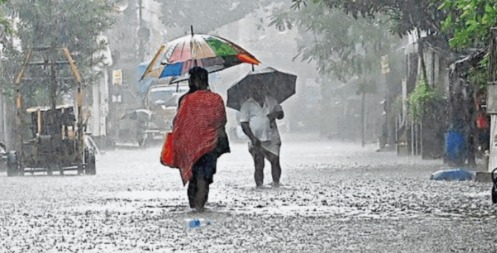
Kolkata, one of India’s largest cities, is increasingly facing climate-induced challenges, particularly flooding.
Rapid urbanization, population growth, and aging drainage infrastructure have compounded the city’s vulnerability to monsoon deluges and extreme rainfall events.
This blog explores how these factors interact, their impact on residents, and potential solutions to make Kolkata more resilient.
1️⃣ Urbanization and Its Impact
Unplanned urban growth has reduced green cover and natural water absorption areas.
High-density construction and encroachment of wetlands disrupt natural drainage patterns.
Impermeable surfaces like roads and pavements increase surface runoff, leading to waterlogging.
2️⃣ Aging Infrastructure
Kolkata’s drainage system, designed decades ago, struggles to cope with current rainfall intensity.
Sewage and stormwater lines are often clogged or undersized, causing frequent urban flooding.
Maintenance challenges and slow upgrades exacerbate risks during extreme weather events.
3️⃣ Climate Change and Extreme Rainfall
Rising temperatures and erratic monsoon patterns increase the frequency of heavy rainfall events.
Sea-level rise threatens low-lying coastal areas of Kolkata, compounding flood risks.
Combined with urban and infrastructural factors, even moderate rainfall can trigger severe waterlogging.
4️⃣ Economic and Social Impacts
✅ Disruption of Daily Life
Flooded streets halt transportation, business, and school activities.
✅ Health Risks
Stagnant water increases vector-borne diseases like dengue and malaria.
✅ Property and Business Losses
Waterlogging damages homes, offices, and small businesses, affecting livelihoods.
✅ Stress on Emergency Services
Police, fire, and medical services face delays and challenges during floods.
5️⃣ Possible Solutions
Urban Planning Reforms: Implement zoning laws and preserve wetlands and green areas.
Drainage Upgrades: Modernize and expand stormwater and sewage systems.
Rainwater Harvesting: Reduce surface runoff and improve groundwater recharge.
Community Awareness: Encourage residents to avoid dumping waste in drains.
Climate-Resilient Infrastructure: Build flood-resistant roads, bridges, and public facilities.
Conclusion
Kolkata’s flood risks are not just a result of climate change, but a combination of urbanization pressures and aging infrastructure.
Addressing these challenges requires coordinated planning, investment in resilient infrastructure, and community participation.
By taking proactive measures, Kolkata can mitigate flood risks, protect lives, and ensure sustainable urban growth in the coming decades.
FAQs
1️⃣ Why does Kolkata flood so frequently?
Frequent flooding is due to rapid urbanization, reduced green cover, aging drainage systems, and extreme rainfall events.
2️⃣ How does urbanization worsen flood risks?
Construction of impermeable surfaces and encroachment of wetlands increase surface runoff and reduce water absorption.
3️⃣ Are there plans to upgrade drainage infrastructure?
Yes, the city has ongoing and planned projects to modernize and expand stormwater and sewage systems.
4️⃣ How does flooding affect public health?
Stagnant water from floods can lead to vector-borne diseases like dengue, malaria, and waterborne illnesses.
5️⃣ What can residents do to help reduce flood risks?
Avoid dumping waste in drains, participate in community awareness programs, and support rainwater harvesting initiatives.
Published on : 16th October
Published by : SMITA
www.vizzve.com || www.vizzveservices.com
Follow us on social media: Facebook || Linkedin || Instagram
🛡 Powered by Vizzve Financial
RBI-Registered Loan Partner | 10 Lakh+ Customers | ₹600 Cr+ Disbursed
https://play.google.com/store/apps/details?id=com.vizzve_micro_seva&pcampaignid=web_share