

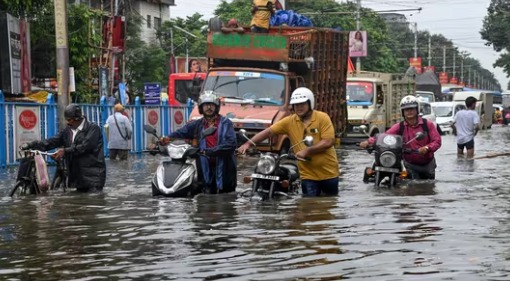
Kolkata recently experienced record rainfall, resulting in waterlogging, traffic disruptions, and infrastructure stress. The event underscores the importance of urban planning and climate-resilient infrastructure in Indian cities.
Impact of Record Rainfall
Flooded Streets and Traffic Jams: Major roads and intersections became waterlogged, affecting daily commutes.
Infrastructure Stress: Drainage systems struggled to cope with heavy downpours.
Public Health Concerns: Stagnant water increases the risk of vector-borne diseases.
Economic Disruption: Businesses, transport, and services faced interruptions due to flooding.
Urban Planning Challenges Highlighted
Inadequate Drainage Systems – Existing infrastructure cannot handle extreme rainfall events.
Encroachment on Waterways – Illegal construction and urban sprawl reduce natural drainage capacity.
Lack of Flood-Resilient Infrastructure – Roads, bridges, and public transport systems are vulnerable.
Data-Driven Planning Deficit – Limited use of predictive rainfall models for city planning.
Solutions and Recommendations
Upgrade Drainage Networks – Modernize stormwater systems to handle extreme events.
Enforce Urban Zoning Laws – Prevent construction in flood-prone areas.
Promote Green Infrastructure – Rain gardens, permeable pavements, and urban wetlands.
Early Warning Systems – Leverage real-time weather monitoring for disaster preparedness.
Community Awareness – Educate residents on flood risks and safety measures.
Conclusion
Kolkata’s record rainfall is a wake-up call for urban planners and policymakers. Investing in resilient infrastructure, strict zoning regulations, and data-driven planning is essential to minimize the impact of extreme weather events on cities and citizens.
FAQs
Q1. Why did Kolkata experience record rainfall?
Heavy monsoon patterns, climate change, and local weather systems contributed to unprecedented rainfall.
Q2. How did the rainfall impact daily life in Kolkata?
Waterlogging, traffic disruption, public transport delays, and temporary business closures.
Q3. What urban planning issues does this reveal?
Inadequate drainage, encroachment on waterways, and insufficient flood-resilient infrastructure.
Q4. How can the city prepare for future heavy rainfall?
By upgrading drainage systems, enforcing zoning laws, promoting green infrastructure, and using early warning systems.
Q5. Are there health risks associated with flooding?
Yes, stagnant water can lead to vector-borne diseases such as dengue, malaria, and waterborne illnesses.
Published on : 24th September
Published by : SMITA
www.vizzve.com || www.vizzveservices.com
Follow us on social media: Facebook || Linkedin || Instagram
🛡 Powered by Vizzve Financial
RBI-Registered Loan Partner | 10 Lakh+ Customers | ₹600 Cr+ Disbursed
https://play.google.com/store/apps/details?id=com.vizzve_micro_seva&pcampaignid=web_share