

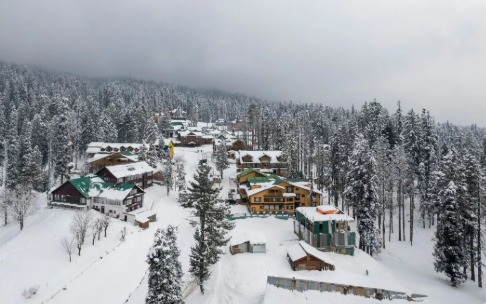
Meteorologists are predicting a colder-than-usual winter in India this year due to the La Niña phenomenon, a climate pattern characterized by the cooling of the central and eastern Pacific Ocean. La Niña events often influence global weather patterns, including temperature, rainfall, and storm activity.
1. What is La Niña?
La Niña is part of the El Niño–Southern Oscillation (ENSO) cycle. It occurs when sea surface temperatures in the Pacific Ocean drop below average, affecting wind patterns and atmospheric circulation worldwide. In India, La Niña typically leads to:
Lower winter temperatures
Variations in rainfall and snowfall patterns
Early onset of cold waves in northern regions
2. Impact on Winter Temperatures in India
Meteorologists expect La Niña to contribute to colder winter conditions, particularly in northern and northwestern India. Key implications include:
Frosts in agricultural areas, potentially affecting crops like wheat and mustard
Colder nights and early morning temperatures in plains and cities
Enhanced snowfall in Himalayan regions, which could impact tourism and mountaineering activities
3. Regional Effects
North India: Likely to experience sharper drops in temperatures, especially in Punjab, Haryana, and Uttar Pradesh.
Himalayan Region: Increased snowfall may enhance water reserves but also pose challenges for transport and tourism.
Southern India: Less pronounced cooling, though occasional cold waves may occur in elevated areas.
4. Preparedness and Advisory
Authorities advise citizens and farmers to prepare for colder conditions:
Use appropriate winter clothing and heating measures.
Monitor weather forecasts and heed cold-wave warnings.
Farmers should protect sensitive crops from frost damage.
5. Global Context
La Niña events also influence global agriculture, water supply, and energy consumption. India’s colder winter could increase demand for heating and electricity, while affecting crop yields in vulnerable areas.
Final Thoughts
With La Niña potentially bringing a colder winter to India, proactive measures by citizens, farmers, and authorities are essential. Understanding the science behind La Niña can help mitigate its effects and prepare the nation for a winter that could be chillier than usual.
FAQs :
1. What is La Niña and how does it affect India?
La Niña is a climate phenomenon marked by cooler Pacific Ocean temperatures, often causing colder winters, altered rainfall, and snow patterns in India.
2. Which regions in India will be most affected?
North India, including Punjab, Haryana, Uttar Pradesh, and the Himalayan region, is expected to experience colder temperatures and increased snowfall.
3. How can farmers prepare for La Niña winter?
Farmers should protect frost-sensitive crops, use frost covers, and follow agricultural advisories for winter crops like wheat and mustard.
4. Will southern India be affected?
Southern India may see mild temperature drops in elevated areas, though the cooling will be less severe compared to northern regions.
5. What are the broader impacts of La Niña?
La Niña can influence global weather, increase energy demand for heating, and impact agriculture and water resources worldwide.
Published on : 13th October
Published by : SMITA
www.vizzve.com || www.vizzveservices.com
Follow us on social media: Facebook || Linkedin || Instagram
🛡 Powered by Vizzve Financial
RBI-Registered Loan Partner | 10 Lakh+ Customers | ₹600 Cr+ Disbursed
https://play.google.com/store/apps/details?id=com.vizzve_micro_seva&pcampaignid=web_share