

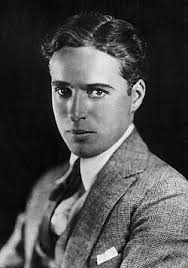
Orson Welles, the maverick filmmaker behind ‘Citizen Kane’, widely considered the greatest film ever made, met a tragic end—dying alone and broke, estranged from the industry that once worshipped him.
Despite his legendary status, Welles spent his final years begging for financial help from former colleagues. Friends recall him as “erratic, self-destructive, and egotistical”, a once-celebrated genius brought down by his own excesses and the unforgiving nature of Hollywood.
🎬 The Rise: 'Citizen Kane' and Overnight Genius
Released in 1941, Citizen Kane redefined cinematic language with its:
Non-linear storytelling
Deep focus cinematography
Groundbreaking sound design
At just 25 years old, Orson Welles was hailed a prodigy. He directed, co-wrote, and starred in the film. But its thinly veiled critique of media mogul William Randolph Hearst ignited a backlash that would shadow his career.
📉 The Fall: Exile, Obsession, and Financial Ruin
Post-Kane, Welles struggled to match his own legend. A string of unfinished projects, studio interference, and personal eccentricities tarnished his reputation. He became infamous for:
Over-budget films
Abandoning projects mid-way
Alienating collaborators
Hollywood soon viewed him as uninsurable. He turned to voiceovers, magic shows, and foreign productions just to survive.
By the 1980s, Welles was largely shut out of the studio system, relegated to doing wine commercials and talk show appearances.
😔 A Lonely End
Welles died of a heart attack in 1985, at the age of 70, slumped over a typewriter in his Hollywood apartment—still chasing funding for his final, unfinished movie The Other Side of the Wind.
Despite his genius, he left behind no fortune, no estate, and only fragments of once-ambitious projects.
📽️ Legacy Lives On
Though his final years were marked by rejection and poverty, Welles’ influence on modern cinema is undeniable. Directors like Steven Spielberg, Martin Scorsese, and Christopher Nolan routinely cite him as a godfather of innovation.
In 2018, Netflix released The Other Side of the Wind, completed posthumously, sparking renewed interest in his misunderstood genius.
❓ FAQ Section
Q1: Who was the director of ‘the greatest film ever made’?
A: Orson Welles, who directed Citizen Kane, often cited as the greatest film in cinema history.
Q2: Why did Orson Welles die broke?
A: Welles mismanaged finances, abandoned projects, and became blacklisted due to his difficult personality and industry clashes, leading to financial ruin.
Q3: What happened to his last film?
A: The Other Side of the Wind was completed after his death and released on Netflix in 2018.
Q4: Was Orson Welles ever recognized in his lifetime?
A: Yes, Citizen Kane earned multiple accolades, and he was considered a genius early in his career, but his later years were marked by decline.
Q5: How has Welles influenced modern filmmakers?
A: His use of deep focus, complex narratives, and unorthodox camera work inspired countless directors across generations.
Follow us on social media: Facebook || Linkedin || Instagram
Reported by Benny on June 24, 2025.
🛡 Powered by Vizzve Financial
RBI-Registered Loan Partner | 10 Lakh+ Customers | ₹600 Cr+ Disbursed