

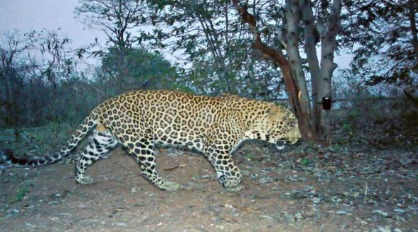
The recent leopard–bus incident near Bannerghatta National Park has once again brought India’s complex urban–wildlife relationship into focus. Videos of a leopard leaping onto a stationary bus, causing panic among commuters, quickly went viral—raising serious concerns about habitat pressure, urban expansion and the fragile boundary between humans and wildlife.
While the situation was eventually brought under control, the episode exposes deeper environmental, ecological and infrastructural issues that Indian cities must urgently address.
Why Are Leopard Sightings Increasing Near Cities?
Bannerghatta National Park lies adjacent to one of India’s fastest-growing metropolitan regions—Bengaluru. Over the past decade, rapid expansion into forest edges has increased contact between wildlife and urban settlements.
Key reasons include:
1. Shrinking Natural Habitat
Urban sprawl, road construction and real-estate projects near eco-sensitive zones have significantly reduced the natural movement zones for leopards.
2. Loss of Prey Base
As forests thin out, leopards follow livestock, stray dogs and easy prey into human habitations.
3. Noise, Light & Human Disturbance
Increased human activity near forest borders pushes wild animals deeper into semi-urban buffers.
4. Fragmented Wildlife Corridors
Essential passages that allow animals to migrate safely between forest pockets are now disrupted by concrete blocks.
The Bannerghatta Leopard–Bus Incident: What Exactly Happened?
According to initial details:
A leopard strayed close to a road bordering Bannerghatta
It leaped onto a bus parked on the roadside
Passengers panicked, prompting rapid intervention by forest officials
The animal eventually retreated safely into the foliage
The leopard displayed typical behaviour of a solitary, stressed predator trying to navigate a noisy, unfamiliar environment. Experts believe it was attempting to cross the road when startled by honking and headlights.
What This Incident Reveals About Urban–Wildlife Interface
The event highlights major concerns:
1. Wildlife Stress Due to Urban Pressure
Animals forced into human zones exhibit unpredictable behaviour.
2. Human Safety Risks Rising
As boundaries blur, accidental encounters become more frequent.
3. Need for Better Eco-Sensitive Planning
Cities expanding near national parks require regulated zoning.
4. Role of Public Awareness
Panic and crowding often escalate danger for both humans and animals.
How Authorities Can Reduce Such Incidents
1. Strengthening Wildlife Corridors
Restoring green bridges, underpasses and designated movement routes.
2. Strict Zoning Near National Parks
Limiting real estate development around Bannerghatta’s buffer zones.
3. Regular Patrolling & Monitoring
Forest guards equipped with thermal sensors and drones for early detection.
4. Community Awareness Drives
Educating locals and commuters about:
Avoiding crowding
Not provoking the animal
Alerting forest officials immediately
5. Roadside Safety Infrastructure
Installing warning signage, speed restrictions and wildlife-crossing alerts.
Why Leopards Adapt So Easily to Urban Spaces
Leopards are among the most adaptable big cats in the world. Their ability to:
Hunt small prey
Move silently
Live close to human settlements
Travel long distances at night
…makes them frequent visitors in expanding Indian cities bordering forests.
But this adaptability also increases conflict if urbanisation continues unchecked.
Conclusion: Coexistence Is Possible, But Planning Is Key
The Bannerghatta leopard–bus incident is not an isolated event—it’s a wake-up call. As cities like Bengaluru continue to grow, the urban–wildlife interface will only become more complex.
The solution lies not in driving animals away but in designing cities that respect ecological boundaries, enabling safe coexistence for both humans and wildlife.
FAQs
Q1. Why did the leopard come near the bus?
It was likely trying to navigate through disturbed habitat or cross the road.
Q2. Are leopard sightings common near Bannerghatta?
Yes. With shrinking forest buffers, such sightings have increased.
Q3. Is Bannerghatta at high risk for human–animal conflict?
Being close to Bengaluru’s expanding edges, it is one of India’s top conflict-prone zones.
Q4. How can such incidents be prevented?
Better habitat management, wildlife corridors, and public awareness are key.
Q5. Should people panic during wildlife encounters?
No. Staying calm and alerting authorities is the safest response.
Published on : 15th November
Published by : SMITA
www.vizzve.com || www.vizzveservices.com
Follow us on social media: Facebook || Linkedin || Instagram
🛡 Powered by Vizzve Financial
RBI-Registered Loan Partner | 10 Lakh+ Customers | ₹600 Cr+ Disbursed