

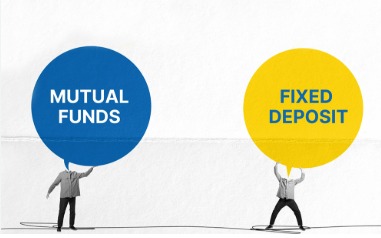
When you urgently need funds, the first thought might be to break a fixed deposit (FD) or redeem mutual fund (MF) investments. However, doing so can interrupt long-term wealth creation. An alternative option is to take a loan against your FD or mutual funds, using your existing investment as collateral while still staying invested.
This method is gaining popularity because it provides quick liquidity with lower interest compared to unsecured loans like personal loans or credit card EMIs. But is it safe? And who should consider it? Let’s break it down.
What Does It Mean to Take a Loan Against Investments?
It allows you to borrow money by pledging your FD or MF holdings as security, without prematurely withdrawing, selling, or breaking them.
For FDs, lenders typically offer 80–95% of deposit value
For Mutual Funds, loan value varies based on fund type, NAV & market volatility
This keeps your investment active and growing, while giving you access to cash.
Benefits of Taking Loans Against FD or Mutual Funds
1️⃣ Lower Interest Rates Than Unsecured Loans
Since the loan is secured, interest rates are usually lower than personal loans, BNPL, or credit card advances.
2️⃣ No Need to Break or Redeem Investments
You continue earning FD interest or stay invested in MF compounding, preserving long-term gains.
3️⃣ Quick Approval With Minimal Paperwork
Loan processing is generally faster, as your investment acts as collateral.
4️⃣ Flexible Repayment Options
Some lenders allow interest-only repayment, giving breathing room for temporary cash crunches.
5️⃣ No Impact on Credit Score (Unless You Default)
Unlike unsecured borrowing, your credit risk is lower — but default will affect both credit & investment.
Risks & Considerations
1️⃣ Loan Interest vs Investment Return Difference
If loan interest becomes higher than gains from FD or MF, the net benefit reduces.
2️⃣ Market Risk (in Mutual Funds)
If markets fall, lenders may reduce eligible loan value or ask for additional margin.
3️⃣ Possibility of Forced Liquidation
If you default, the lender has the right to redeem or close your investment.
4️⃣ Temporary Relief May Lead to Habitual Borrowing
Easy access may encourage unnecessary debt — use only for genuine needs.
Which Is Safer — FD or Mutual Funds?
| Criteria | Loan Against FD | Loan Against MF |
|---|---|---|
| Safety | Very High | Moderate (Market-linked) |
| Interest Rate | Lower | Slightly Higher |
| Volatility Risk | None | Yes |
| Eligibility Value | High (80–95%) | Varies by category |
| Best For | Short-term liquidity | Market investors avoiding redemption |
When Is This a Smart Option?
✔ Short-term temporary cash need
✔ Emergency medical or family requirement
✔ You expect inflow soon (bonus, maturity, rental income, reimbursement etc.)
✔ To avoid high-interest credit card or instant loan
✔ When markets are rising and MF redemption would cause loss of long-term compounding
When to Avoid It
✘ No clear repayment source
✘ For lifestyle expenses or luxury buys
✘ When markets are highly volatile
✘ If FD/MF returns are lower than loan interest
✘ Already having multiple EMIs or debt stress
❓ FAQs
Q1: Does taking a loan against FD or MF reduce my investment interest/growth?
No, FD interest or MF growth continues unless investment is liquidated.
Q2: Can I prepay the loan early?
Yes, most lenders allow early closure — charges vary.
Q3: Which is cheaper — loan against FD or MF?
Typically, FD-backed loans are cheaper because they carry no market risk.
Q4: Will my CIBIL score be checked?
Yes, but the weightage is lower since it is a secured loan.
Q5: Can I take multiple loans against the same investment?
Only if investment value allows; otherwise no.
Published on : 18th November
Published by : SMITA
www.vizzve.com || www.vizzveservices.com
Follow us on social media: Facebook || Linkedin || Instagram
🛡 Powered by Vizzve Financial
RBI-Registered Loan Partner | 10 Lakh+ Customers | ₹600 Cr+ Disbursed