

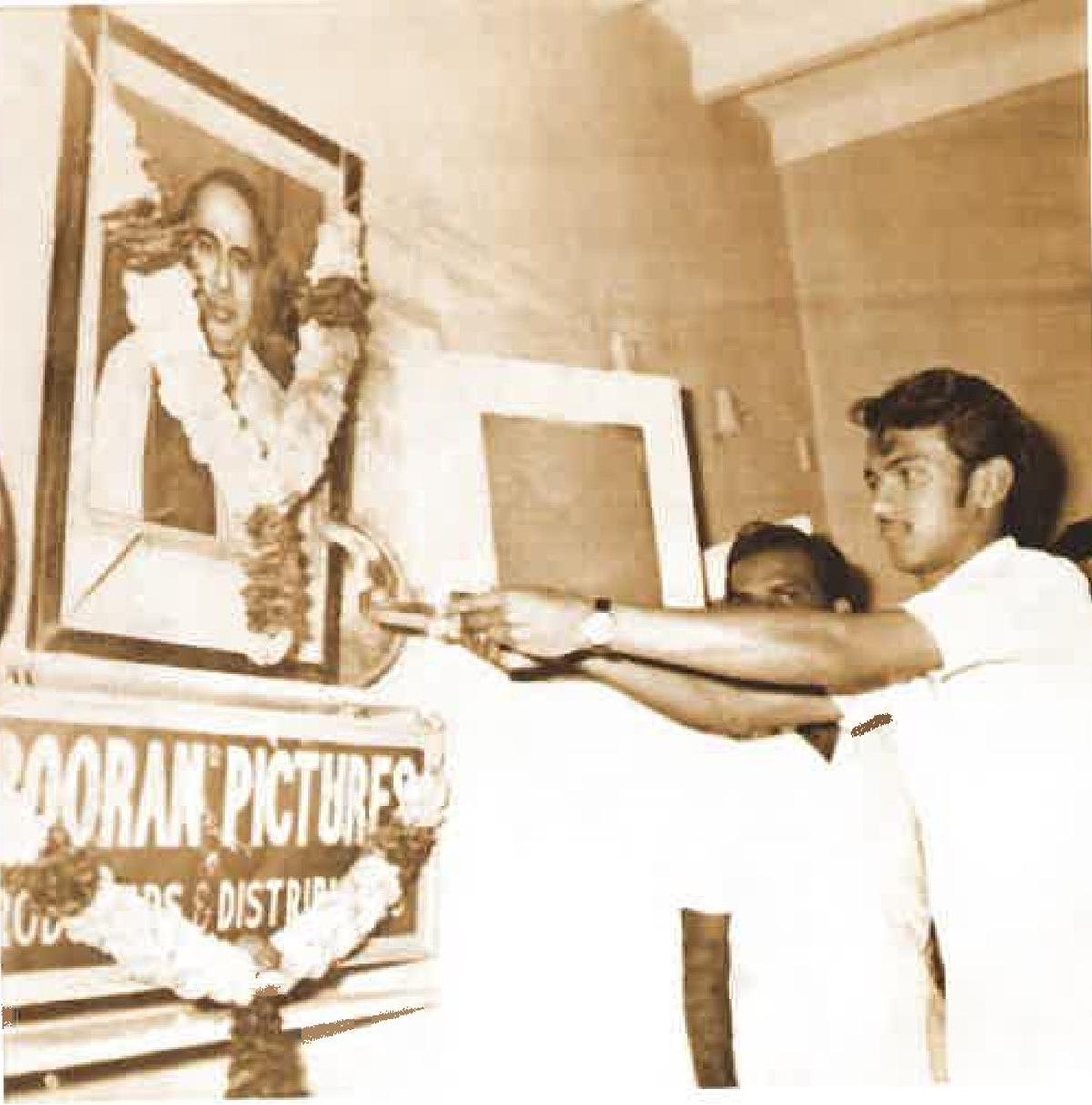
Locked Up with Seven Inmates, M.K. Stalin Was Beaten, Harassed, and Fed Kali During Emergency Period
The Emergency period (1975-1977) remains one of the darkest chapters in Indian democratic history. Among the many political leaders arrested and detained, M.K. Stalin, current Chief Minister of Tamil Nadu, endured harsh conditions that reveal the brutal reality faced by dissenters during that time.
Incarceration and Harassment
M.K. Stalin was locked up alongside seven other inmates in a cramped cell. Reports indicate that he was subjected to physical beatings and constant harassment by prison officials. Such treatment was meant to break the spirit of political prisoners and silence opposition voices.
Fed Kali as a Form of Punishment
A disturbing aspect of Stalin’s detention involved being fed ‘kali’, a local term referring to unhygienic or unfit food, intended as a form of humiliation and physical discomfort. This inhumane treatment highlighted the extent to which authorities were willing to go to suppress political dissent.
Legacy and Resilience
Despite these hardships, M.K. Stalin’s resolve remained unbroken. His experience during the Emergency shaped his political journey and commitment to democracy and justice.
Frequently Asked Questions (FAQ)
Q1. What was the Emergency period in India?
The Emergency was a 21-month period from 1975 to 1977 when Prime Minister Indira Gandhi declared a state of emergency, suspending civil liberties and arresting political opponents.
Q2. Why was M.K. Stalin imprisoned during the Emergency?
As a political activist opposing the Emergency, Stalin was detained to curb dissent against the government.
Q3. What does being ‘fed kali’ mean?
‘Kali’ refers to unhygienic or degrading food given to prisoners as punishment or humiliation.
Q4. How did the Emergency impact Indian politics?
It led to widespread suppression of political freedoms but also galvanized opposition that eventually restored democracy.
Q5. How did M.K. Stalin’s imprisonment affect his political career?
His imprisonment reinforced his commitment to public service and democratic values, contributing to his rise in Tamil Nadu politics.
Published on: June 25, 2025
Uploaded by: PAVAN
www.vizzve.com || www.vizzveservices.com
Follow us on social media: Facebook || Linkedin || Instagram
🛡 Powered by Vizzve Financial
RBI-Registered Loan Partner | 10 Lakh+ Customers | ₹600 Cr+ Disbursed