

Blog Banner

Blog Details

Lord Shiva: The Supreme Destroyer & His Temples Across India

Lord Shiva: The Supreme Destroyer & His Temples Across India

Lord Shiva: The Supreme Destroyer & His Temples Across India

Vizzve Admin

🔱 Lord Shiva: The Supreme Destroyer & His Temples Across India


Published by: Vizzve Spiritual | Category: Indian Culture & Religion | Updated: May 9, 2025
Read Time: 4–5 minutes


🙏 Who is Lord Shiva?


Lord Shiva, also known as Mahadev, is one of the Trimurti (the Hindu Trinity) along with Brahma and Vishnu. He is known as:


  • The Destroyer of Evil

  • The Lord of Meditation

  • The Cosmic Dancer (Nataraja)

  • The Supreme Ascetic and Householder (father of Ganesha and Kartikeya)

He resides in Mount Kailash, symbolizing stillness, power, and spiritual liberation.


🕉️ Origin and Symbolism


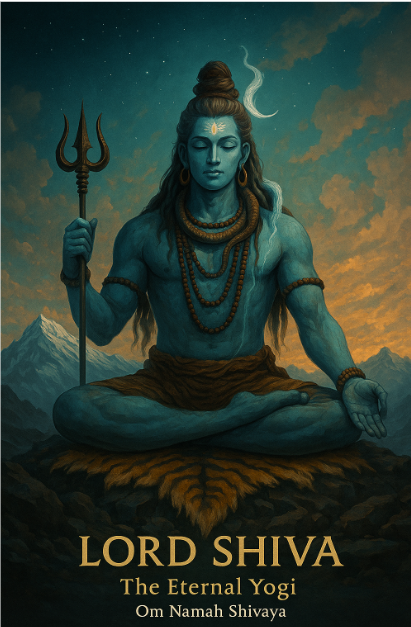
Shiva is believed to have no beginning and no end—pure consciousness (Sat-Chit-Ananda). He is often depicted:

  • With a third eye – representing knowledge and destruction of ignorance

  • Holding a Trishul (trident)

  • Wearing snakes, symbolizing fearlessness

  • With River Ganga flowing from his matted hair

  • In meditation on a tiger skin


🕍 Major Shiva Temples in India


🪔 12 Jyotirlingas – Sacred Power Centers


These are considered the holiest abodes of Shiva, where he is worshipped in the form of a Jyotirlinga (pillar of light). The 12 are:


Temple NameLocationState
Somnath                         Veraval                    Gujarat
MallikarjunaSrisailamAndhra Pradesh
MahakaleshwarUjjainMadhya Pradesh
OmkareshwarMandhata IslandMadhya Pradesh
KedarnathKedarnathUttarakhand
BhimashankarPuneMaharashtra
Kashi VishwanathVaranasiUttar Pradesh
TrimbakeshwarNashikMaharashtra
VaidyanathDeogharJharkhand
NageshwarDwarkaGujarat
RameshwaramRameswaramTamil Nadu
GrishneshwarElloraMaharashtra


🏛️ Other Famous Shiva Temples:


  • Murudeshwar Temple, Karnataka – Home to the second tallest Shiva statue

  • Isha Foundation’s Adiyogi Shiva, Coimbatore – Spiritual center with the world's largest bust statue

  • Tungnath Temple, Uttarakhand – Highest Shiva temple in the world

  • Amarnath Cave Temple, Jammu & Kashmir – Ice Shivling forms naturally each year


📖 Historical Significance


  • Vedic Period: Shiva is associated with Rudra, a fierce deity mentioned in Rig Veda.

  • Puranic Texts: Stories of Shiva destroying Tripura, consuming poison during Samudra Manthan, and marrying Parvati form the core of Shaivism.

  • Shiva Purana & Linga Purana: Ancient scriptures that glorify the philosophy and rituals of Shiva worship.

  • Shaivism: A major sect of Hinduism devoted entirely to the worship of Lord Shiva.


🔄 Shiva Worship Rituals:


  • Chanting "Om Namah Shivaya"

  • Offering bilva (bael) leaves, milk, water, and dhatura on the Shivling

  • Observing Mahashivratri – Shiva’s cosmic night, the most sacred festival for his devotees

  • Observing Monday fasting (Somvar vrat)


🌍 Shiva Beyond India


Lord Shiva is also revered in:

  • Nepal (Pashupatinath Temple)

  • Indonesia & Cambodia (ancient Shaivite temples)

  • Bali, where Shaivism merged with local traditions


  • “Where are the 12 Jyotirlingas?”

  • “Why is Shiva called Mahadev?”

  • “Which is the oldest Shiva temple in India?”

  • “Who built Kedarnath temple?”


🙌 Why Worship Shiva?


  • For destruction of ego and ignorance

  • To attain inner peace and spiritual knowledge

  • For health, wealth, and liberation (moksha)

  • To remove planetary obstacles (especially Rahu, Ketu, Shani)


Conclusion

Lord Shiva is not just a god — he is a universal energy representing destruction, transformation, and rebirth. His temples are architectural wonders, spiritual powerhouses, and living testaments to India’s cultural depth.


#LordShiva #ShivaTemples #Mahadev #Jyotirlinga #OmNamahShivaya #HinduGods #IndianSpirituality #VizzveSpiritual


Disclaimer: This article may include third-party images, videos, or content that belong to their respective owners. Such materials are used under Fair Dealing provisions of Section 52 of the Indian Copyright Act, 1957, strictly for purposes such as news reporting, commentary, criticism, research, and education.
Vizzve and India Dhan do not claim ownership of any third-party content, and no copyright infringement is intended. All proprietary rights remain with the original owners.
Additionally, no monetary compensation has been paid or will be paid for such usage.
If you are a copyright holder and believe your work has been used without appropriate credit or authorization, please contact us at grievance@vizzve.com. We will review your concern and take prompt corrective action in good faith... Read more

Trending Post


Latest Post


Our Product

Get Personal Loans up to 10 Lakhs in just 5 minutes