

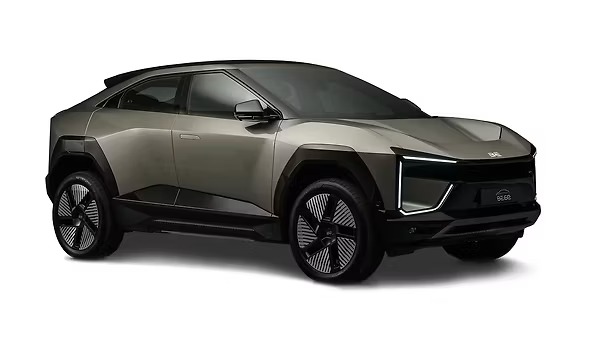
The Indian government’s recent announcement on the luxury electric vehicle (EV) tax hike is set to impact high-end EV buyers in 2025. While the move aims to boost revenue and encourage affordable EV adoption, it also changes the pricing landscape for premium electric cars. Here’s a breakdown of how buyers may be affected.
1. What is the Luxury EV Tax Hike?
The luxury EV tax hike increases the GST and registration costs on electric cars priced above a certain threshold. This means the upfront cost for high-end EVs like Tesla, Audi e-tron, and Mercedes EQ series will rise.
Key Points:
Higher GST on EVs above ₹50 lakh
Increased registration and road tax in some states
Additional cost for imported EVs due to customs duties
2. Impact on Vehicle Buyers
Higher Purchase Costs: Buyers of luxury EVs will need to budget for the additional tax burden.
Shift in Preferences: Some consumers may opt for mid-range EVs instead of high-end models.
Delayed Purchases: The hike may prompt potential buyers to postpone their EV purchase, waiting for price adjustments or incentives.
3. Possible Benefits for Buyers
Encourages focus on affordable EVs with lower ownership costs
Supports government’s goal to make EVs mainstream and accessible
Potential for manufacturers to offer new schemes or discounts to offset tax impact
4. Long-Term Market Outlook
Despite the tax hike, luxury EV demand is likely to remain among affluent buyers, but growth may slow. Automakers may innovate pricing strategies or offer hybrid financing to maintain sales momentum.
Conclusion:
The 2025 luxury EV tax hike will make premium EVs more expensive, influencing buyer decisions and market trends. Understanding the financial impact helps potential buyers plan smartly, consider mid-range alternatives, and explore incentives before making a purchase.
FAQ :
Q1: Which EVs are affected by the luxury tax hike?
High-end EVs priced above ₹50 lakh, including imported models and premium domestic electric cars, are mainly affected.
Q2: Will this tax hike affect financing options?
Yes, higher vehicle costs may increase EMI amounts and insurance premiums for luxury EVs.
Q3: Are mid-range EVs impacted?
Mid-range EVs priced below the luxury threshold remain unaffected, making them more attractive to budget-conscious buyers.
Q4: Can buyers offset the tax through government incentives?
Some state-level incentives and schemes may partially reduce the effective cost, but it varies by region.
Q5: Will luxury EV prices decrease in the future?
Prices may stabilize if automakers offer discounts, bundles, or new models to offset tax impact.
Published on : 3rd September
Published by : SMITA
www.vizzve.com || www.vizzveservices.com
Follow us on social media: Facebook || Linkedin || Instagram
🛡 Powered by Vizzve Financial
RBI-Registered Loan Partner | 10 Lakh+ Customers | ₹600 Cr+ Disbursed
https://play.google.com/store/apps/details?id=com.vizzve_micro_seva&pcampaignid=web_share