

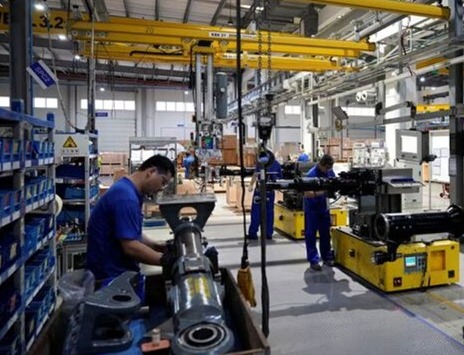
Made in China 2025 vs Make in India: 10 Years On, What India Can Learn
China launched the ambitious ‘Made in China 2025’ policy in 2015, aiming to shift from labor-intensive manufacturing to high-tech and value-added sectors. Coincidentally, India had launched its own flagship ‘Make in India’ initiative just a year earlier in 2014 with a vision to turn the country into a global manufacturing hub.
Fast forward to 2025, and both initiatives provide a stark contrast in strategy, execution, and outcomes. Here’s a look at what the Made in China 2025 plan achieved and the lessons it holds for India.
What Was Made in China 2025?
‘Made in China 2025’ was a state-led industrial policy that targeted upgrading China’s manufacturing capabilities in 10 priority sectors, including:
Robotics and automation
Aerospace and aviation
Biopharma and medical devices
High-tech maritime engineering
Electric vehicles (EVs)
New-generation information technology
The goal was to reduce dependency on foreign tech and become a world leader in innovation and advanced manufacturing by 2025.
Achievements of Made in China 2025
Global Dominance in EVs: Companies like BYD and CATL are now global leaders.
Tech Innovation: Rapid rise in AI, 5G, and semiconductor capabilities.
Massive Investment: Over $1.5 trillion in funding, subsidies, and incentives.
Export Growth: China’s high-tech exports surged, especially post-pandemic.
Domestic Supply Chains: Shifted reliance from foreign inputs to local firms.
However, the plan also drew global criticism and led to trade tensions, notably with the United States, which accused China of forced tech transfer and state-led protectionism.
Make in India: Where It Stands Today
India’s ‘Make in India’ focused on:
Creating jobs in manufacturing
Increasing FDI in 25 sectors
Improving Ease of Doing Business
Enhancing infrastructure and logistics
While India made progress in attracting FDI and rising in the Ease of Doing Business rankings, manufacturing still contributes only around 17% to GDP—short of the 25% target.
Key achievements include:
Production-Linked Incentive (PLI) schemes
Apple and Foxconn’s manufacturing expansion
Growth in defense and electronics manufacturing
Yet, challenges remain—skilled labor shortage, complex land laws, and policy inconsistency.
Key Lessons for India
Policy Consistency & Long-Term Vision: China's decade-long focus contrasts India’s frequent policy changes.
Focus on R&D and Innovation: India must invest more in technology incubation and IP creation.
Local Supply Chain Development: Dependency on imports (especially from China) needs reduction.
Unified National Strategy: Stronger coordination between Centre and States is essential.
Smart Subsidies: Strategic fiscal incentives tied to performance, not just capacity.
Conclusion
While ‘Made in China 2025’ had its flaws and geopolitical pushbacks, it undeniably accelerated China’s transformation into a high-tech powerhouse. For ‘Make in India’ to achieve similar results, India needs agile, tech-forward, and export-oriented industrial policies—coupled with infrastructure and labor reforms.
India has the opportunity to learn, adapt, and leapfrog. The next decade is critical to ensure India doesn’t just "Make in India" but also “Innovate in India.”
FAQ
Q1. What is the difference between Make in India and Made in China 2025?
Made in China 2025 focused on high-tech manufacturing and reducing foreign dependence. Make in India aims to boost overall manufacturing, create jobs, and attract FDI.
Q2. Has China achieved its 2025 goals?
Yes, largely. China now dominates sectors like EVs, robotics, and renewable energy, though it has faced global scrutiny over trade practices.
Q3. What are the main challenges facing Make in India?
Policy inconsistency, poor logistics, land acquisition hurdles, and skill gaps remain major roadblocks for India's manufacturing growth.
Q4. Can India compete with China in manufacturing?
With focused reforms, strong implementation of PLI schemes, and infrastructure upgrades, India can become a global manufacturing alternative to China.
Q5. How does the PLI scheme help Make in India?
PLI schemes provide financial incentives to boost domestic manufacturing, increase production scale, and improve export competitiveness.
Published on:July 3,2025
Published by : Selvi
www.vizzve.com || www.vizzveservices.com
Follow us on social media: Facebook || Linkedin || Instagram
🛡 Powered by Vizzve Financial
RBI-Registered Loan Partner | 10 Lakh+ Customers | ₹600 Cr+ Disbursed