

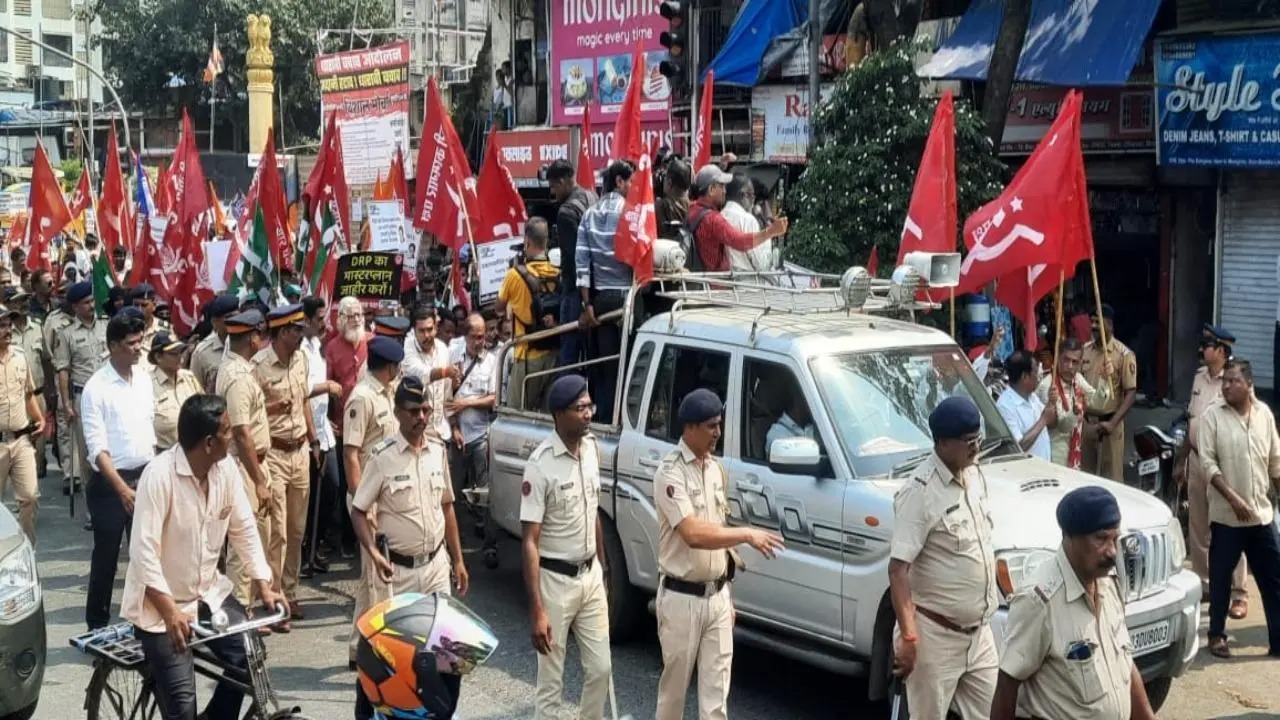
Residents of Mohone and surrounding villages near Kalyan, Maharashtra, are actively opposing the proposed cement grinding plant by Ambuja Cement Ltd, a subsidiary of the Adani Group. The plant is slated for a public hearing by the Maharashtra Pollution Control Board (MPCB) on September 16, 2025. Villagers have initiated a signature campaign, expressing concerns over potential health hazards and environmental degradation.
Key Concerns Raised by Protesters
Health Risks: Residents fear that the plant will contribute to air pollution, adversely affecting respiratory health.
Environmental Impact: There are apprehensions about the potential degradation of local ecosystems and water sources.
Community Displacement: The project may lead to the displacement of local communities and disruption of their livelihoods.
Lack of Transparency: Protesters allege insufficient community consultation and transparency in the project's planning stages.
Political and Community Support
Local political figures, including MLA Sameer Meghe and former ZP vice-president Kunda Raut, have expressed solidarity with the protesters. They argue that the land in question is collectively owned by the community, not leased, and vow to oppose the cement plant.
Broader Context of Resistance
This protest is part of a larger pattern of local opposition to Adani Group projects in Maharashtra. Earlier this week, a public hearing for a proposed underground coal mine by Ambuja Cement Ltd was disrupted by villagers in Dahegaon-Gowari, who raised concerns over water pollution and agricultural disruption.
Conclusion
The upcoming public hearing on September 16 will be a critical juncture in determining the future of the proposed cement plant. The outcome will likely influence the trajectory of industrial development and community rights in Maharashtra.
Frequently Asked Questions (FAQ)
1. What is the Adani cement plant project in Maharashtra?
The project involves the establishment of a cement grinding plant by Ambuja Cement Ltd, a subsidiary of the Adani Group, near Kalyan in Maharashtra.
2. Why are local residents protesting the project?
Residents are concerned about potential health risks due to air pollution, environmental degradation, and the lack of transparency and community consultation in the project's planning.
3. What is the significance of the public hearing on September 16?
The public hearing, organized by the Maharashtra Pollution Control Board (MPCB), is a platform for residents to voice their concerns and for authorities to assess the project's environmental impact.
4. Have there been similar protests against Adani Group projects?
Yes, there have been previous instances of local opposition to Adani Group projects in Maharashtra, including protests against a proposed underground coal mine in Dahegaon-Gowari earlier this week.
5. What are the next steps after the public hearing?
Following the public hearing, the MPCB will review the feedback and decide on the project's approval, potentially leading to further community consultations or modifications to the project plan.
Published on : 15th September
Published by : SMITA
www.vizzve.com || www.vizzveservices.com
Follow us on social media: Facebook || Linkedin || Instagram
🛡 Powered by Vizzve Financial
RBI-Registered Loan Partner | 10 Lakh+ Customers | ₹600 Cr+ Disbursed
https://play.google.com/store/apps/details?id=com.vizzve_micro_seva&pcampaignid=web_share