

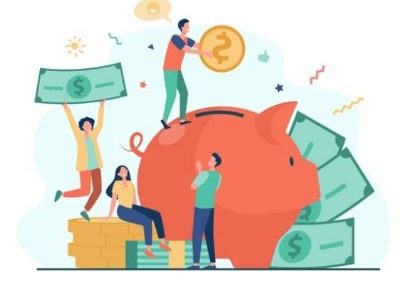
Microloans are small, short-term loans designed to provide financial assistance to low-income families who may not have access to traditional banking. They are a key tool in microfinance, aiming to promote financial inclusion, entrepreneurship, and poverty alleviation.
By offering small amounts of capital, microloans allow families to meet urgent needs, start businesses, or invest in education, creating opportunities for long-term financial stability.
Benefits of Microloans for Low-Income Families
1. Financial Inclusion
Microloans provide access to formal financial services for families often excluded from traditional banking.
Encourages saving, responsible borrowing, and credit building.
2. Entrepreneurship Opportunities
Small businesses like street vending, tailoring, or agriculture projects can be started or expanded.
Generates income and employment opportunities within the community.
3. Empowerment, Especially for Women
Many microfinance initiatives target women, helping them gain financial independence and decision-making power.
Promotes community development and gender equality.
4. Emergency Support
Microloans can cover medical expenses, education fees, or urgent household needs, helping families navigate crises.
5. Low Borrowing Thresholds
Small loan amounts with flexible repayment schedules make borrowing manageable and less intimidating.
Challenges of Microloans
1. High Interest Rates
Despite small amounts, microloans may carry higher interest rates than traditional loans due to administrative costs.
2. Risk of Over-Indebtedness
Families may take multiple microloans simultaneously, leading to financial stress if not managed properly.
3. Limited Loan Size
Microloans are small by design, which may not cover larger needs like housing or significant business investments.
4. Repayment Pressure
Frequent repayment schedules may strain low-income families, especially during seasonal or unpredictable income periods.
5. Lack of Financial Literacy
Borrowers may not fully understand loan terms, interest rates, and repayment obligations, leading to defaults or disputes.
Tips for Responsible Microloan Borrowing
Assess Needs Carefully: Borrow only what is necessary and manageable.
Compare Providers: Look for lower interest rates and flexible repayment options.
Prioritize Repayment: Timely repayment helps build credit history and eligibility for future loans.
Seek Financial Advice: Microfinance institutions often provide guidance on budgeting and business planning.
Avoid Multiple Loans at Once: Prevent over-indebtedness by managing one loan at a time.
FAQs:
Q1. What is a microloan?
A microloan is a small loan given to individuals or families who do not have access to traditional banking services.
Q2. Who can apply for a microloan?
Typically, low-income families, women entrepreneurs, and small business owners are eligible.
Q3. How are microloans different from regular loans?
Microloans are smaller in size, often with simpler documentation, and focus on financial inclusion.
Q4. Are microloans beneficial?
Yes, they empower families, promote entrepreneurship, and provide emergency support, though borrowers should be cautious about interest rates.
Q5. What challenges should borrowers be aware of?
High interest rates, repayment pressure, and the risk of over-indebtedness are key challenges.
Published on : 1st October
Published by : SMITA
www.vizzve.com || www.vizzveservices.com
Follow us on social media: Facebook || Linkedin || Instagram
🛡 Powered by Vizzve Financial
RBI-Registered Loan Partner | 10 Lakh+ Customers | ₹600 Cr+ Disbursed
https://play.google.com/store/apps/details?id=com.vizzve_micro_seva&pcampaignid=web_share