

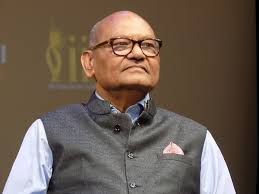
As tensions escalate in the Middle East, global oil prices are once again surging — and India, the world’s third-largest oil consumer, is feeling the heat. With nearly 85% of its crude oil imported, India’s vulnerability to geopolitical shocks has been exposed once more.
The current crisis in the region — stemming from renewed conflicts, potential supply chain disruptions, and shipping insecurity — has highlighted just how fragile India's energy strategy remains.
And Vedanta Resources Chairman Anil Agarwal believes it's time for change.
💬 Anil Agarwal’s Warning: “Time to Boost Domestic Production”
Anil Agarwal has been vocal about India’s reliance on oil imports. In recent comments, he emphasized:
“India must urgently focus on domestic oil exploration, revamp regulatory bottlenecks, and allow private sector investments to grow.”
Agarwal has long pushed for a revival of India’s exploration & production (E&P) sector, urging the government to create a more investment-friendly policy regime for local players.
🛢️ Why Is India So Dependent on Imported Oil?
Low Domestic Production: India’s own reserves are limited and underdeveloped.
Rising Demand: A growing economy and expanding middle class increase oil consumption.
Policy Paralysis: Delays in approvals, inconsistent pricing policies, and regulatory red tape deter private investment.
Neglect of Renewables: Despite progress, India still lags in clean energy infrastructure for large-scale substitution.
⚠️ What the Middle East Crisis Means for India
Price Volatility: Every $10 rise in crude increases India’s import bill significantly.
Rupee Under Pressure: A rising oil bill weakens the rupee, pushing inflation higher.
Fiscal Strain: Subsidy pressures and widening current account deficits could return.
Strategic Risk: Supply disruptions can halt essential sectors including aviation, transport, and manufacturing.
🔄 What Needs to Change? Vedanta’s 3 Key Proposals
Ease Policy Barriers for oil companies to explore and produce more efficiently.
Incentivize Private Sector Investment by ensuring pricing freedom and profit-sharing models.
Speed Up Approvals for drilling, environmental clearance, and exploration licenses.
🌍 The Way Forward: Diversification + Domestic Push
India must pursue a multi-pronged energy strategy, including:
Expanding strategic oil reserves
Strengthening renewable infrastructure
Accelerating biofuel and EV adoption
Investing in domestic E&P with clear, stable regulation
As Middle East volatility returns, the urgency to build resilience has never been more critical.
❓ FAQ Section
Q1: Why is India vulnerable to oil price shocks?
A: India imports about 85% of its crude oil, making it highly susceptible to global price fluctuations and geopolitical events in regions like the Middle East.
Q2: What impact does a Middle East crisis have on India?
A: It raises crude prices, weakens the rupee, inflates the import bill, and affects inflation and fiscal balance.
Q3: What is Vedanta’s Anil Agarwal suggesting?
A: He advocates for increased domestic oil production, policy reforms, and incentives to attract private sector participation in oil exploration.
Q4: Is India investing in renewable energy as an alternative?
A: Yes, but the pace is not fast enough to significantly reduce oil dependence in the short term.
Q5: What can India do immediately to mitigate the risk?
A: Build strategic reserves, remove regulatory hurdles in oil exploration, and diversify energy sources.
Follow us on social media: Facebook || Linkedin || Instagram
Reported by Benny on June 25, 2025.
🛡 Powered by Vizzve Financial
RBI-Registered Loan Partner | 10 Lakh+ Customers | ₹600 Cr+ Disbursed