

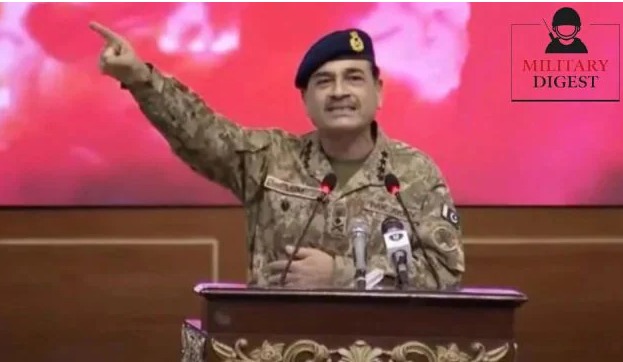
Military Digest: Pakistan Army Chief Asim Munir’s Pursuit of Power and Recognition
Pakistan’s Army Chief, General Asim Munir, has emerged as one of the most influential figures in the nation’s political and military landscape. His relentless pursuit of recognition and dominance reflects a pattern historically observed in Pakistan’s power struggles, where the military often overshadows civilian authority.
Much like past military rulers—General Ayub Khan, General Zia-ul-Haq, and General Pervez Musharraf—Munir appears keen on cementing his authority not only within the armed forces but also across Pakistan’s fragile political order.
Historical Parallels: Military vs Democracy
Pakistan’s political history is marked by repeated interventions from the army. Dictators such as Zia and Musharraf justified their dominance under the guise of “national stability.” Today, critics argue that Munir’s influence is steering the country in a similar direction, where military recognition becomes a tool for power consolidation rather than security.
Asim Munir’s Rise to Power
Former ISI and MI chief before becoming Army Chief.
Known for his strict control and disciplined approach.
Aligns military strategies with broader state policies, often reducing civilian space.
His leadership style has been described as authoritarian yet strategic, ensuring that the military remains at the center of decision-making in Pakistan.
Military Recognition and Global Ambitions
Munir’s recent international engagements, including strengthening defense ties with Gulf nations and reaffirming alliances with China, reflect his intent to position the Pakistan Army as a global player. This pursuit of recognition raises concerns about Pakistan’s internal democratic processes, which remain fragile amid economic instability.
Vizzve Finance Analysis: Impact on Stability
From a financial and geopolitical perspective (Vizzve Finance Insight), Munir’s strategies could bring short-term defense investments but may risk long-term instability. The constant struggle between military recognition and democratic authority often scares away investors, disrupts trade partnerships, and weakens currency stability.
Frequently Asked Questions (FAQs)
Q1: Who is General Asim Munir?
General Asim Munir is the Chief of Army Staff of Pakistan, previously serving as Director-General of both ISI and Military Intelligence.
Q2: Why is Asim Munir compared to past dictators?
His push for recognition and political dominance resembles the approaches of former military rulers like Ayub Khan, Zia-ul-Haq, and Musharraf.
Q3: How does Munir’s leadership affect Pakistan’s democracy?
Critics argue that his leadership centralizes military power, further weakening civilian institutions and political independence.
Q4: What is the global impact of Munir’s policies?
While enhancing defense ties, his recognition-driven strategies may limit democratic progress and risk economic instability.
Q5: Why does military recognition matter in Pakistan?
In Pakistan’s history, military recognition often translates into political dominance, making the army more powerful than elected governments.
Published on : 17th August
Published by : Selvi
www.vizzve.com || www.vizzveservices.com
Follow us on social media: Facebook || Linkedin || Instagram
🛡 Powered by Vizzve Financial
RBI-Registered Loan Partner | 10 Lakh+ Customers | ₹600 Cr+ Disbursed