

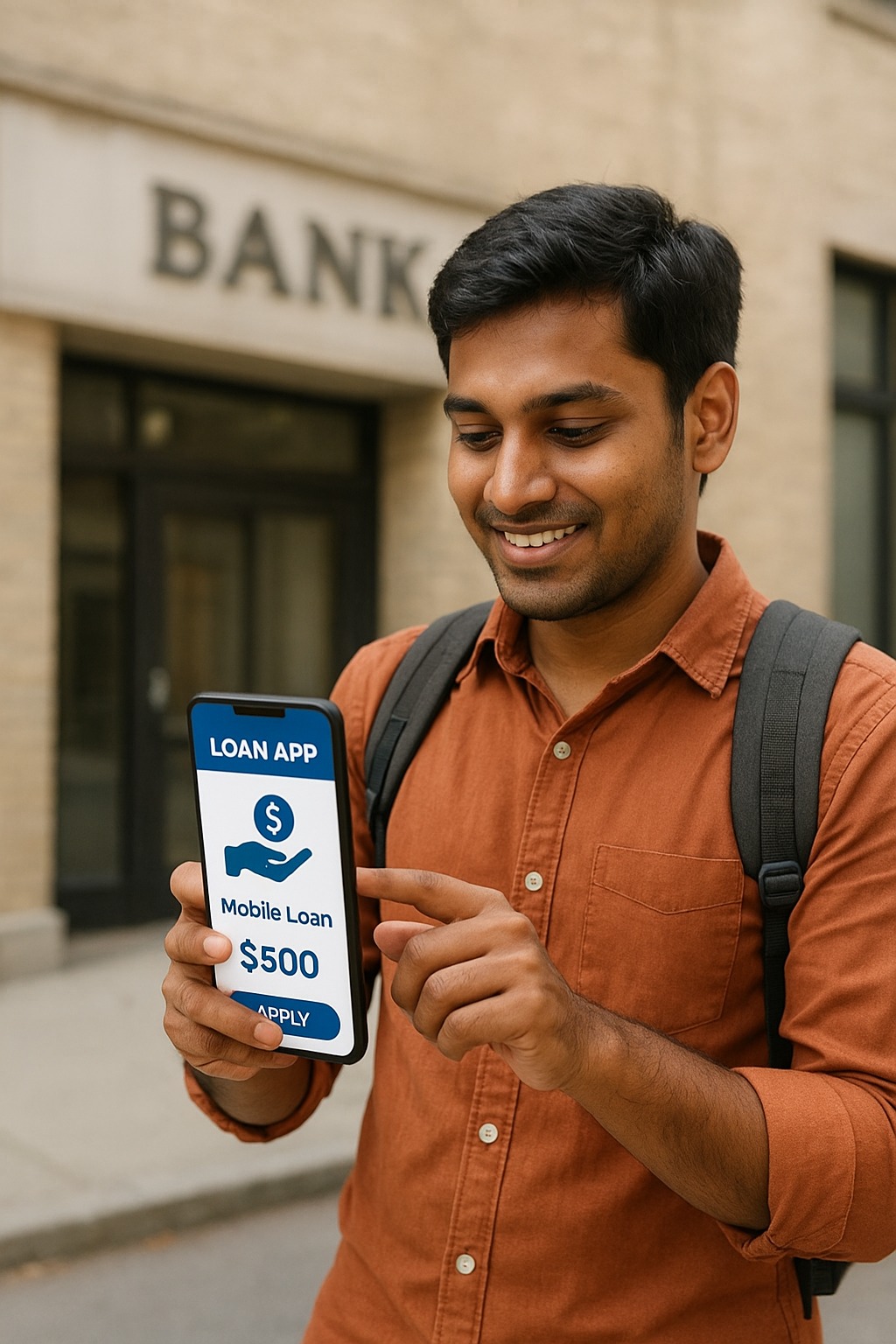
India’s financial landscape is undergoing a digital revolution, and at the heart of this transformation is mobile-first borrowing. With more than 65% of India’s population under 35 and smartphone penetration skyrocketing, traditional banking is losing ground to digital lending apps. Today’s youth prefers instant, transparent, and flexible borrowing solutions over the lengthy processes of banks.
The Rise of Mobile-First Borrowing
The new generation of borrowers is not just tech-savvy—they’re time-savvy. Banks demand paperwork, collateral, and multiple visits. In contrast, digital apps allow loans to be applied, verified, and disbursed—all within minutes.
Key Drivers Behind This Shift
Speed & Convenience – Instant loan approvals in minutes vs. weeks at banks.
Minimal Documentation – Basic KYC, no bulky forms.
Personalized Loans – Apps use AI to customize loan offers.
24/7 Accessibility – Borrow anytime, anywhere.
Transparency – Clear EMI, repayment dates, and charges upfront.
Why India’s Youth is Choosing Apps Over Banks
Lifestyle Needs: Young professionals want quick funds for travel, gadgets, education, or emergencies.
Trust in Digital: UPI, digital wallets, and fintech have built confidence in app-based finance.
Credit for First-Time Borrowers: Many youths don’t have a long credit history. Apps bridge this gap.
Flexibility in Repayment: Unlike rigid bank loans, apps provide short-term loans with flexible EMIs.
The Role of Fintech & Apps like Vizzve Finance
Fintech platforms such as Vizzve Finance are leading the change by:
Offering instant personal loans without collateral.
Providing transparent repayment options.
Using AI-powered risk assessment to help even first-time borrowers.
Integrating with digital payments like UPI for seamless transactions.
Challenges to Watch Out For
Over-borrowing risks due to easy availability.
Cybersecurity concerns with sensitive financial data.
Regulatory compliance as RBI tightens digital lending norms.
The Future of Borrowing in India
By 2030, India’s loan market will be dominated by mobile-first lending, with apps becoming the primary borrowing channel. Banks may need to reinvent themselves or partner with fintech companies to stay relevant.
FAQs
Q1: What is mobile-first borrowing?
Mobile-first borrowing refers to taking loans primarily through mobile apps instead of visiting banks or financial institutions physically.
Q2: Why do young Indians prefer apps over banks?
They value speed, convenience, minimal paperwork, and flexible repayment—things digital apps deliver more efficiently than banks.
Q3: Are app-based loans safe?
Yes, if borrowed from RBI-compliant fintech like Vizzve Finance, which ensure data protection and transparent policies.
Q4: Can first-time borrowers get loans on apps?
Yes, fintech often approve small-ticket loans for new borrowers without requiring a credit history.
Q5: Will banks become irrelevant in the future?
Not entirely—banks will still exist but may shift to digital-first models or collaborate with fintech platforms.
Published on : 25th August
Published by : SMITA
www.vizzve.com || www.vizzveservices.com
Follow us on social media: Facebook || Linkedin || Instagram
🛡 Powered by Vizzve Financial
RBI-Registered Loan Partner | 10 Lakh+ Customers | ₹600 Cr+ Disbursed
https://play.google.com/store/apps/details?id=com.vizzve_micro_seva&pcampaignid=web_share