

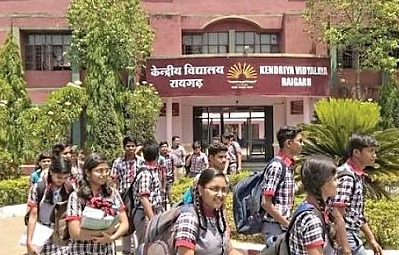
In a major boost to India’s education sector, the Modi government has approved the establishment of 57 new Kendriya Vidyalayas (KVs) across the country. This expansion aims to provide quality education to children of central government employees as well as local students, promoting educational access in both urban and rural areas.
1. What Are Kendriya Vidyalayas?
Kendriya Vidyalayas are central government schools under the Ministry of Education.
They primarily cater to children of central government employees, including defense and paramilitary personnel.
KVs follow a uniform curriculum to ensure educational continuity for students who frequently move due to parental job transfers.
Key Features:
CBSE-affiliated curriculum
Modern infrastructure
Emphasis on holistic development through academics, sports, and extracurricular activities
2. Details of the New KV Expansion
Total New Schools Approved: 57
Purpose: Expand access to quality education, especially in areas with limited schooling options
Locations: Across various states, including under-served and strategic regions
Expected Impact: Reduce student-to-school ratio and improve accessibility for children of government employees
3. Why This Expansion Matters
Bridging Education Gaps: Many regions face shortages of quality schools; new KVs will address this issue.
Support for Central Employees: Ensures children of transferable employees have consistent schooling.
Promoting Holistic Development: KVs focus on both academics and extracurricular activities, nurturing well-rounded students.
4. Government’s Vision for Education
The government’s approval of new KVs aligns with its broader vision:
Accessible Education for All: Ensuring quality education reaches every part of the country.
Strengthening CBSE Network: KVs provide standardized education across states.
Fostering Talent: Equips students with skills and knowledge to compete nationally and internationally.
5. What Parents Can Expect
New enrollment opportunities in these 57 KVs
Access to modern facilities and qualified teachers
Focus on curriculum continuity for children of transferable employees
Emphasis on sports, arts, and cultural activities alongside academics
Conclusion
The approval to open 57 new Kendriya Vidyalayas marks a significant step toward expanding quality education in India. By bridging gaps in school accessibility and maintaining academic continuity for central government employees’ children, this initiative strengthens India’s education infrastructure and promotes holistic student development.
FAQs
Q1. How many new Kendriya Vidyalayas are being opened?
The Modi government has approved 57 new KVs across India.
Q2. Who can enroll in Kendriya Vidyalayas?
Primarily children of central government employees, but local residents can also apply depending on seat availability.
Q3. Which curriculum do KVs follow?
All Kendriya Vidyalayas are CBSE-affiliated and follow a uniform curriculum.
Q4. Why are new KVs important?
They expand access to quality education, especially in underserved regions, and provide continuity for children of transferable government employees.
Q5. When will the new KVs start functioning?
The schools are expected to start enrolling students in the upcoming academic sessions, depending on infrastructure readiness.
Published on : 1st October
Published by : SMITA
www.vizzve.com || www.vizzveservices.com
Follow us on social media: Facebook || Linkedin || Instagram
🛡 Powered by Vizzve Financial
RBI-Registered Loan Partner | 10 Lakh+ Customers | ₹600 Cr+ Disbursed
https://play.google.com/store/apps/details?id=com.vizzve_micro_seva&pcampaignid=web_share