

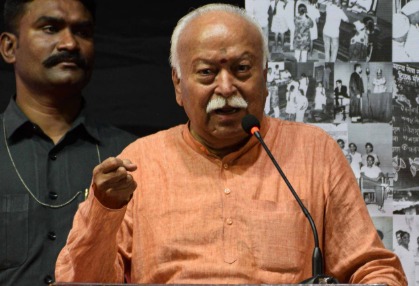
Mohan Bhagwat, chief of the Rashtriya Swayamsevak Sangh (RSS), recently addressed the rise of protests led by Gen Z, emphasizing that violent uprisings rarely bring meaningful change. His remarks come amid growing youth-led demonstrations on social, political, and environmental issues across India.
Bhagwat stressed the importance of constructive dialogue, civic responsibility, and peaceful engagement as avenues for societal transformation.
Key Points from Mohan Bhagwat
Violence is Counterproductive:
He asserted that violent protests often fail to achieve objectives and may harm the very causes they aim to support.
Youth Engagement:
Gen Z has energy and passion, but it should be channeled into productive civic activities and reform-oriented initiatives.
Constructive Alternatives:
Encourages students and young citizens to participate in policy discussions, awareness campaigns, and community development projects rather than resorting to aggression.
Learning from History:
Highlights examples where non-violent movements led to substantial social and political change, advocating a similar approach today.
Context: Gen Z Protests in India
Issues Raised: Climate change, education reforms, employment concerns, social justice, and political accountability.
Methods: Demonstrations, online activism, marches, and creative campaigns.
Challenges: Some protests have turned confrontational, drawing public and governmental attention.
Bhagwat’s message underlines the need for strategic and peaceful activism to ensure youth voices have a lasting impact.
Lessons for Youth Activism
Plan and Strategize: Focus on well-organized campaigns with clear goals.
Non-Violent Tactics: Peaceful marches, petitions, and awareness drives have greater public and governmental acceptance.
Engage with Institutions: Collaborate with NGOs, civic bodies, and policymakers for sustainable change.
Use Digital Platforms Wisely: Amplify voices online responsibly to mobilize support without inciting conflict.
FAQs
Q1: What did Mohan Bhagwat say about Gen Z protests?
A: He emphasized that violent uprisings do not achieve lasting change and urged youth to pursue non-violent, constructive activism.
Q2: Why focus on non-violence?
A: History shows peaceful movements are more effective in creating social, political, and environmental reforms.
Q3: What issues are Gen Z protesting about in India?
A: Climate action, education, employment, social justice, and government policies.
Q4: How can young people make a difference without violence?
A: Through policy advocacy, awareness campaigns, volunteering, and responsible digital activism.
Q5: Does Bhagwat acknowledge the role of youth?
A: Yes, he recognizes Gen Z’s energy and potential but stresses the importance of channeling it constructively.
Published on : 2nd October
Published by : SMITA
www.vizzve.com || www.vizzveservices.com
Follow us on social media: Facebook || Linkedin || Instagram
🛡 Powered by Vizzve Financial
RBI-Registered Loan Partner | 10 Lakh+ Customers | ₹600 Cr+ Disbursed
https://play.google.com/store/apps/details?id=com.vizzve_micro_seva&pcampaignid=web_share