

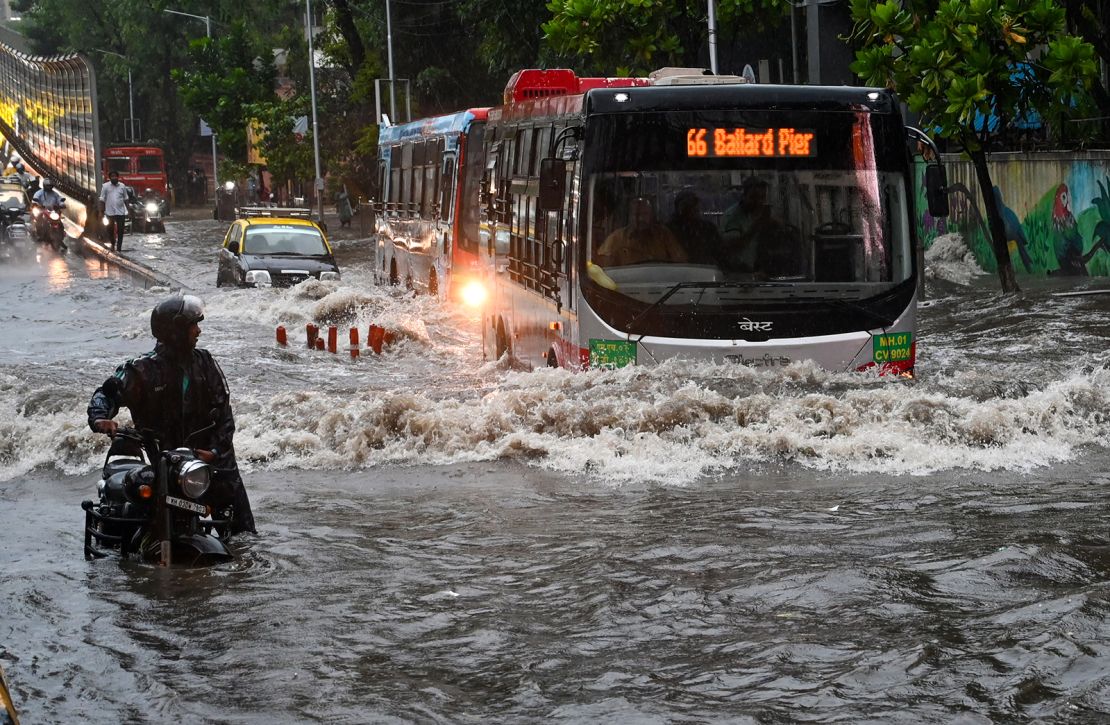
Every year, the arrival of the monsoon brings much-needed relief from scorching heat—but for India’s urban centres, it also means chaos. Monsoon 2025 has once again exposed the glaring infrastructural gaps, unplanned urbanization, and poor governance that continue to plague Indian cities.
🌀 Urban Flooding: The Recurring Nightmare
From Mumbai’s waterlogged streets to Bengaluru’s submerged tech parks, scenes of chaos have become the monsoon norm. Despite hundreds of crores spent on drainage and stormwater projects, cities continue to flood with just a few hours of heavy rain. The issue isn’t just the rain—it's the lack of preparation.
🚧 Why Are Indian Cities So Vulnerable?
Outdated Drainage Infrastructure
Many drainage systems in cities like Delhi and Kolkata date back to the British era. They’re designed for populations and rainfall levels from decades ago—not the current reality.
Unplanned Urbanization
Concrete jungles with poor water absorption, illegal constructions over natural water bodies, and choked stormwater drains leave rainwater with nowhere to go.
Lack of City-Specific Monsoon Plans
Most cities lack an integrated, real-time flood management system. There’s a heavy reliance on reactive measures instead of proactive planning.
Solid Waste Mismanagement
Plastic and garbage dumped in drains clog the flow, worsening the flooding problem. This is a human-created disaster.
Climate Change Intensifying Rainfall
Erratic, high-intensity rainfall is becoming more frequent. Indian cities are not designed to handle such climate shocks.
📉 The Economic & Health Toll
Urban flooding doesn’t just cause inconvenience—it disrupts daily life, damages property, leads to power outages, halts public transport, and spreads waterborne diseases. The economic cost runs into thousands of crores annually.
✅ What Needs to Change?
City-Specific Climate-Resilient Infrastructure
Rainwater Harvesting and Sustainable Urban Drainage Systems (SUDS)
Regular De-silting of Drains
Urban Wetland Restoration
Public Awareness and Community Involvement
Technology Integration (AI-based flood alerts, GIS mapping)
📢 Final Thoughts
As Monsoon 2025 batters Indian cities, the message is loud and clear: patchwork fixes won’t work anymore. The future demands sustainable, climate-resilient planning. Until we prioritize infrastructure over political tokenism, the monsoon will continue to expose our urban vulnerabilities—year after year.
FAQs:
Q1. Which Indian cities are most affected by monsoon flooding in 2025?
A1. Cities like Mumbai, Bengaluru, Chennai, Delhi, and Guwahati have reported severe flooding incidents during Monsoon 2025.
Q2. Has the government taken any action this year?
A2. While some emergency relief measures have been activated, long-term urban flood mitigation plans remain inconsistent and underfunded.
Q3. How can citizens help prevent flooding?
A3. Proper waste disposal, participation in local flood-prevention initiatives, and rainwater harvesting can contribute significantly.
published on 25th june
Publisher : SMITA
www.vizzve.com || www.vizzveservices.com
Follow us on social media: Facebook || Linkedin || Instagram
🛡 Powered by Vizzve Financial
RBI-Registered Loan Partner | 10 Lakh+ Customers | ₹600 Cr+ Disbursed