

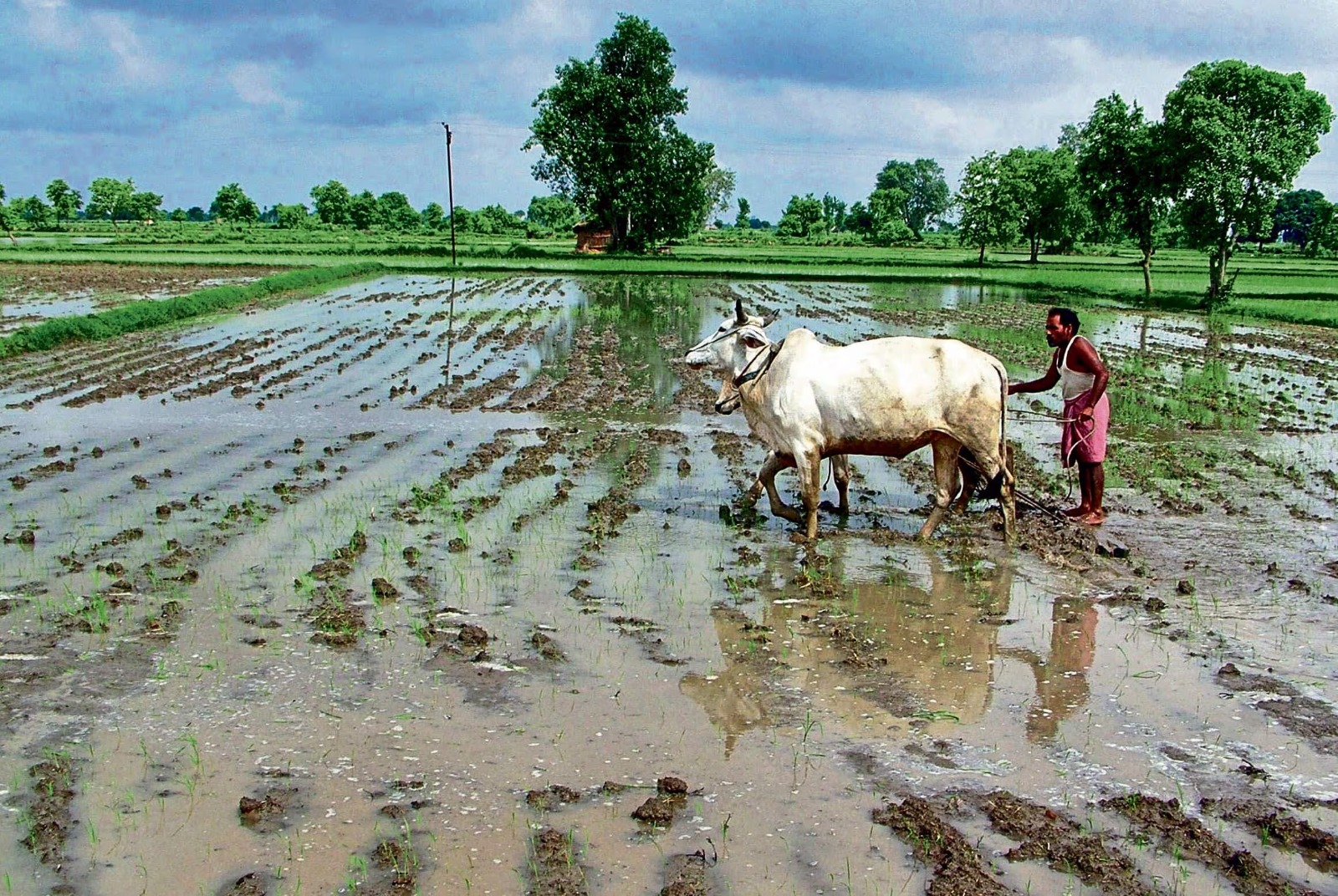
In India, monsoons are more than just a weather event—they’re the lifeline of our agriculture. But with changing rainfall patterns and climate unpredictability, the monsoon now directly impacts your monthly food bill. As food prices surge due to monsoon disruptions, your household budget feels the pinch.
At Vizzve Finance, we help you understand how macroeconomic changes like food inflation influence your personal finances—and how to protect your wallet during such times.
📈 How Monsoon Affects Food Inflation
The Indian economy is heavily dependent on the kharif crop season, which begins with the onset of monsoon in June. Crops like rice, pulses, vegetables, and oilseeds need timely and sufficient rainfall. When rainfall is erratic, delayed, or excessive, the result is:
Lower crop yield
Supply chain disruptions
Spoiled perishables
Increased transportation cost
All these factors contribute to higher prices of essential food items, a phenomenon we know as food inflation.
💸 How It Hits Your Wallet
| Expense Category | Monsoon Impact | Budget Effect |
|---|---|---|
| Vegetables & Fruits | Supply drops, spoilage | Prices rise up to 40–60% |
| Pulses & Grains | Delayed sowing due to erratic rain | Short-term scarcity |
| Dairy & Meat | Cost of feed goes up | Milk, eggs, and poultry become dearer |
| Eating Out & Delivery | Restaurants increase menu prices | Higher monthly food expense |
| Transport & Fuel | Roadblocks due to floods increase logistics | Indirectly raises all commodity prices |
How to Protect Your Finances – Vizzve Finance Tips
✅ 1. Track & Adjust Your Monthly Budget
Use a budget tracker to monitor rising food expenses. Shift spending away from non-essential categories.
✅ 2. Buy in Bulk When Prices Are Low
Take advantage of pre-monsoon or off-season sales for staples like rice, pulses, and cooking oil.
✅ 3. Avoid Wastage
Rising prices make food wastage costlier. Plan meals, store food properly, and reuse leftovers creatively.
✅ 4. Set Up an Emergency Fund
Inflationary pressures can disrupt cash flow. A small emergency fund via Vizzve Finance can offer cushion for unexpected spikes in expenses.
✅ 5. Use Credit Wisely
Avoid payday loans or high-interest options. If needed, opt for transparent personal loans from Vizzve Finance with fixed repayment plans.
✅ 6. Invest in Inflation-Hedging Assets
Consider allocating part of your savings to gold, SIPs, or other inflation-resistant investment options.
How Vizzve Finance Helps You Stay Ahead
💡 Instant Personal Loans to cover short-term inflation gaps
🔐 Transparent Terms – No hidden fees
📊 Budgeting Tools & Tips on the Vizzve app
💰 Flexible EMI Options tailored to your needs
🧠 Financial Education via blogs, tools, and customer support
Final Thoughts
Monsoons and food inflation are realities you can’t avoid, but you can plan smarter. By staying informed and making small adjustments to your budget and spending, you can sail through this season without burning a hole in your wallet.
Vizzve Finance is here to empower you with knowledge and tools to stay financially resilient—even when the skies are unpredictable.
FAQs
Q1. Why does monsoon affect food prices in India?
Because most Indian farmers depend on rainfall for irrigation. A bad monsoon leads to lower crop output, increasing prices.
Q2. Can Vizzve Finance help with rising monthly expenses?
Yes, Vizzve Finance offers instant personal loans and budgeting solutions tailored to your financial needs.
Q3. Is it a good idea to take a loan during inflation?
Yes, but only if it’s for essentials. Always choose transparent, low-interest loans like those from Vizzve Finance.
Q4. How can I cut costs during food inflation?
Buy non-perishables in bulk, eat seasonal produce, and track all food-related spending carefully.
Published on 3rd july
Published : SMITA
www.vizzve.com || www.vizzveservices.com
Follow us on social media: Facebook || Linkedin || Instagram
🛡 Powered by Vizzve Financial
RBI-Registered Loan Partner | 10 Lakh+ Customers | ₹600 Cr+ Disbursed.