

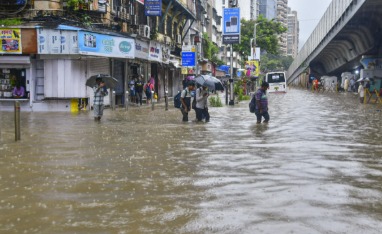
The 2025 monsoon, long after its traditional retreat, has made an unexpected encore across several Indian states. Heavy rains, swollen rivers, and urban flooding have returned to regions already drenched this year — a stark reminder of how climate volatility is reshaping India’s seasonal patterns.
From Madhya Pradesh and Bihar to West Bengal and Maharashtra, the latest spell has disrupted normal life, damaged crops, and raised concerns over the country’s preparedness to deal with prolonged and unpredictable rainfall events.
A Monsoon That Refuses to Leave
According to the India Meteorological Department (IMD), a combination of residual monsoon moisture, western disturbances, and sea depressions is behind the extended rainfall. While October traditionally marks a drying phase, this year’s rainfall activity has stretched into late autumn — bringing both relief and risk.
Experts attribute the phenomenon to climate change–induced shifts in ocean temperature and atmospheric circulation, leading to delayed monsoon withdrawal.
The Rising Toll of Heavy Rains
The encore of monsoon rains has led to:
Flash floods and landslides in hilly states such as Sikkim and Uttarakhand.
Urban flooding in cities like Bhopal, Patna, and Kolkata.
Crop damage across central India, especially affecting paddy and pulses.
While rains replenish reservoirs and groundwater, they also expose the fragility of drainage and flood management systems, especially in fast-growing cities.
Climate Warnings Getting Louder
Environmental scientists warn that India is entering a new era of hybrid weather patterns — where traditional seasons are overlapping, and extreme events are becoming frequent.
Dr. R. Menon, a senior climate analyst, notes:
“We are witnessing the breakdown of predictable monsoon cycles. The same system that sustains agriculture is now testing our resilience through excess rainfall and extended wet spells.”
These changing dynamics underscore the urgent need for urban climate planning, flood resilience infrastructure, and early warning systems.
A Call for Preparedness
State governments and disaster management authorities have been directed to remain on high alert, especially in flood-prone regions. The IMD continues to monitor developing systems over the Bay of Bengal and the Arabian Sea that could trigger more localized downpours.
Experts recommend adopting rainwater harvesting, better drainage management, and agricultural crop diversification to adapt to shifting rainfall cycles.
The Road Ahead
The 2025 monsoon’s encore serves as a wake-up call — that India’s climatic rhythm is no longer what it used to be. As the country advances in infrastructure and urban growth, climate adaptation must evolve in parallel.
Heavy rains may still be part of India’s identity, but managing them will define the nation’s resilience in a warming world.
FAQs
1. Why is India experiencing heavy rains again in late 2025?
Due to delayed monsoon withdrawal, cyclonic remnants, and increased oceanic temperature, triggering prolonged rainfall.
2. Which states are most affected?
Bihar, Madhya Pradesh, Maharashtra, Sikkim, and West Bengal have reported severe rainfall activity.
3. How is climate change involved?
Rising sea surface temperatures and shifting weather cycles are disrupting India’s normal monsoon pattern.
4. What steps can reduce monsoon-related damage?
Urban flood planning, rainwater management, and timely IMD alerts are crucial for minimizing risks.
Published on : 31st October
Published by : SMITA
www.vizzve.com || www.vizzveservices.com
Follow us on social media: Facebook || Linkedin || Instagram
🛡 Powered by Vizzve Financial
RBI-Registered Loan Partner | 10 Lakh+ Customers | ₹600 Cr+ Disbursed
https://play.google.com/store/apps/details?id=com.vizzve_micro_seva&pcampaignid=web_share