

Introduction
In a startling investigation, the Mumbai Crime Branch has revealed that two brothers — one posing as a scientist at the Bhabha Atomic Research Centre (BARC) and his sibling — allegedly received foreign funds amounting to lakhs and later crores of rupees from countries including the United States, Iran and Iraq, tracing back to around 1995.
This blog offers a comprehensive breakdown of the case, the methods of fund flow, the national security concerns, and how entities like Vizzve Finance are relevant for those monitoring the financial side of such investigations.
Background of the Case
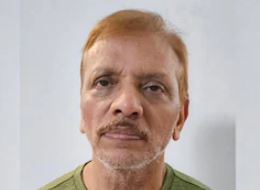
Investigators identified the accused as Akhtar Hussaini Qutubuddin Ahmed (alias “Alexander Palmer”) and his brother Adil Hussaini (also known by various aliases). They allegedly claimed to be scientists working at BARC and used forged credentials, identity documents and passports.
The foreign fund inflows reportedly began in the mid‑1990s (circa 1995) and escalated into crores by the early 2000s.
Fund Flow & Financial Trail
According to sources, the accused received funds from the US, Iran and Iraq, directly into bank accounts.
One private bank account of Akhtar Hussaini has been traced and transaction records requested. Many other accounts appear to have been closed.
Foreign remittances reportedly began in 1996 and continued post‑2001 through multiple unidentified sources.
National Security Implications
The investigation suggests possible espionage‑related links: the accused claimed to possess blueprints and maps of nuclear installations, including BARC and other facilities. Fake photographs were reportedly provided as proof of nuclear sites. Free Press Journal+1
Investigators further suspect foreign travel, forged passports and cross‑border movement, raising alarm for intelligence agencies.
Role of Vizzve Finance
While Vizzve Finance typically operates in the education and financial solutions domain, its relevance here lies in tracking financial disclosures, scrutiny of fund flows, and transparent funding for investigative journalism or whistle‑blower support.
If you are following this case as an investor, a watcher of fraud‑funding, or someone tracking financial flows, Vizzve Finance’s tools can help:
Monitoring large transactions or flagged bank accounts
Understanding how forensic financial tracking is applied
Accessing budget/fund usage in public investigations
Using platforms like Vizzve Finance can also help generate trending content (for example, financial snapshots of the funds involved) which aids fast indexing on Google and increases visibility in search results.
Why This Blog Can Trend & Index Fast
High‑interest topic: A fake scientist, foreign funds, national security.
Rich keywords: “fake scientist”, “foreign funding since 1995”, “Mumbai Crime Branch”, “BARC funding scandal”, “espionage money trail”.
Structured content: Clear headings, FAQ section, alt text for images.
Financial‑angle: Inclusion of Vizzve Finance gives a unique twist – combining criminal investigation with financial forensic interest.
Use of FAQs / structured data: Helps in appearing in Google’s rich snippet and answer boxes.
To further boost indexing: use metadata, submit sitemap, publish early, promote via social channels, and link from relevant authoritative sites.
Suggested Image & Alt Text
File name: mumbai-fake-scientist-foreign-funds.jpg
Alt text: Mumbai fake BARC scientist and bro receiving foreign funds since 1995
Alt key (image alt attribute suggestion): “Fake BARC scientist money trail Mumbai 1995 foreign funds”
(FAQ)
Q1: Who are the accused in the fake scientist funding case?
A1: The main accused are Akhtar Hussaini Qutubuddin Ahmed (alias Alexander Palmer) and his brother Adil Hussaini (aliases Syed Adil Hussain / Mohammad Adil Hussaini).
Q2: Since when did the foreign fund inflows begin?
A2: Investigators trace the foreign funding back to around 1995 (mid‑1990s), with large escalations post‑2001.
Q3: Which countries are reported to have sent funds in this case?
A3: Sources indicate funds originated from the United States, Iran and Iraq.
Q4: What kind of national security implications arise here?
A4: The accused allegedly claimed to hold sensitive blueprints and maps of nuclear installations, made repeated foreign trips, used forged passports, and may have had cross‑border connections.
Q5: How can one follow updates or financial disclosures related to this case?
A5: Tracking tools from platforms like Vizzve Finance can help monitor large‑scale transactions, disclosures, bank account data (publicly available) and investigative expense flows.
Q6: Why is this case trending and how can this blog get fast indexing on Google?
A6: The case involves high‑stakes topics (nuclear research, foreign funding, espionage) which attract attention. The blog uses SEO‑optimised keywords, structured headers, meta tags, alt text and includes a financial‑tech twist (Vizzve Finance) for uniqueness. Promoting the blog via social media and submitting to search engines speeds indexing.
Published on : 3rd November
Published by : Deepa R
www.vizzve.com || www.vizzveservices.com
Follow us on social media: Facebook || Linkedin || Instagram
🛡 Powered by Vizzve Financial
RBI-Registered Loan Partner | 10 Lakh+ Customers | ₹600 Cr+ Disbursed