

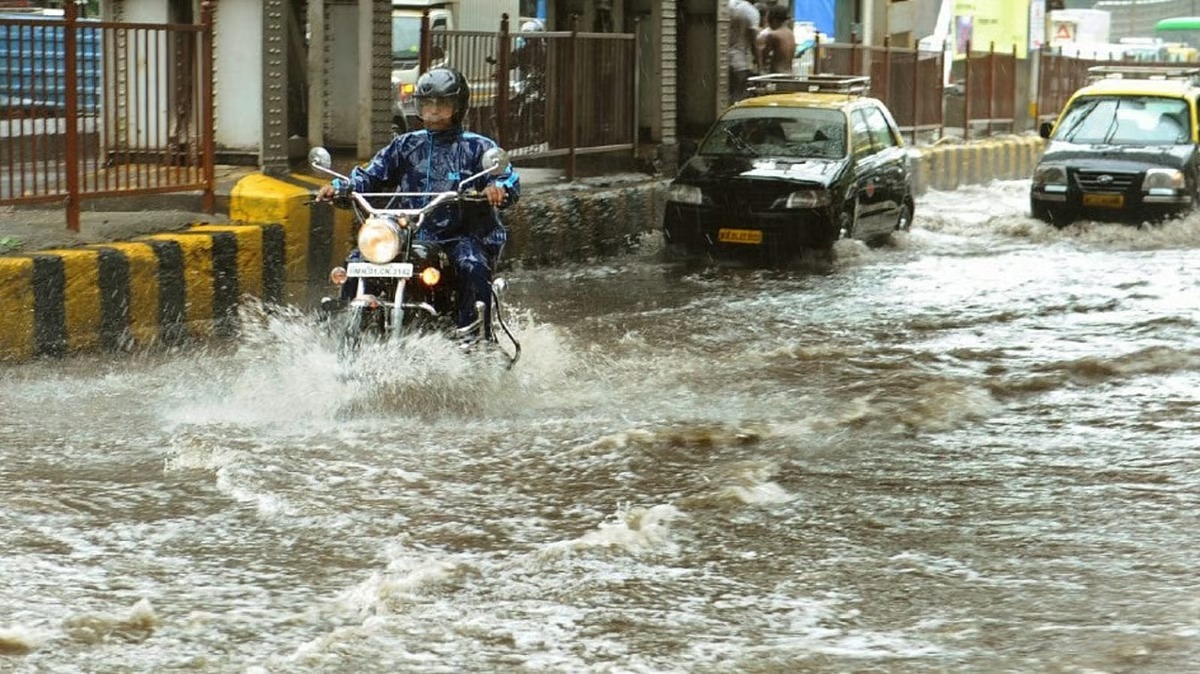
Mumbai, India’s financial capital, faces a recurring challenge every monsoon season: urban flooding. Heavy rains, poor drainage systems, and unplanned urban growth combine to create a city under water, affecting millions of residents, businesses, and essential services.
Causes of Urban Flooding in Mumbai
Excessive Rainfall: Mumbai receives some of the highest rainfall levels in India, particularly during peak monsoon months of July and August.
Blocked Drainage Systems: Clogged drains and inadequate sewage management lead to water accumulation in streets and low-lying areas.
Unplanned Urbanization: Rapid construction and loss of natural water-absorbing areas like mangroves and wetlands exacerbate flooding.
Rising Sea Levels: Coastal cities like Mumbai are increasingly vulnerable due to climate change and rising sea levels.
Impact on Residents and Businesses
Commuters: Traffic jams and waterlogged roads make daily travel hazardous and time-consuming.
Health Hazards: Stagnant water increases the risk of waterborne diseases like cholera and dengue.
Business Disruption: Shops, offices, and transport services face operational delays and property damage.
Emergency Services: Flooding hampers timely delivery of emergency aid and healthcare services.
Government and Municipal Measures
Mumbai’s authorities have implemented several measures to tackle urban flooding:
Drain Cleaning Drives: Pre-monsoon and ongoing drain clearance operations.
Flood Early Warning Systems: Alerts via local authorities and IMD notifications to prepare residents.
Coastal Protection: Reinforcement of seawalls and embankments to prevent seawater ingress.
Urban Planning Initiatives: Encouraging rainwater harvesting and better drainage design in new construction projects.
How Citizens Can Stay Safe
Monitor Weather Updates: Follow IMD alerts and local advisories.
Avoid Flooded Areas: Do not attempt to cross waterlogged streets or bridges.
Prepare Emergency Kits: Keep essentials like water, food, medicines, and flashlights handy.
Report Hazards: Notify authorities about blocked drains or water accumulation.
Health Precautions: Avoid contact with stagnant water and maintain hygiene to prevent diseases.
Looking Ahead
Urban flooding is a complex challenge, requiring coordinated efforts from the government, urban planners, and citizens. Sustainable city planning, improved drainage infrastructure, and climate adaptation strategies will be crucial to reducing Mumbai’s vulnerability in the years to come.
FAQs
Q1. Why does Mumbai experience frequent flooding?
High rainfall, blocked drains, unplanned construction, and rising sea levels contribute to recurring floods.
Q2. Which areas of Mumbai are most affected?
Low-lying neighborhoods like Andheri, Malad, Kurla, and parts of South Mumbai are particularly vulnerable.
Q3. How can residents stay safe during floods?
Monitor alerts, avoid waterlogged areas, prepare emergency supplies, and maintain hygiene.
Q4. What measures are authorities taking?
Drain cleaning, flood early warning systems, seawall reinforcement, and urban planning reforms.
Q5. Can urban flooding be prevented completely?
While it may not be entirely preventable, improved infrastructure, climate adaptation, and citizen awareness can significantly reduce its impact.
Published on : 16th August
Published by : SMITA
www.vizzve.com || www.vizzveservices.com
Follow us on social media: Facebook || Linkedin || Instagram
🛡 Powered by Vizzve Financial
RBI-Registered Loan Partner | 10 Lakh+ Customers | ₹600 Cr+ Disbursed