

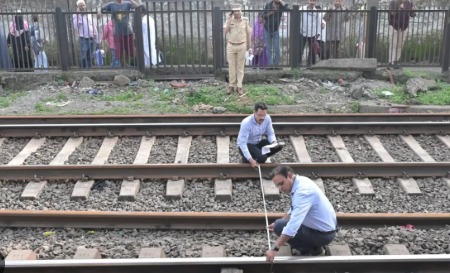
A tragic train accident in Mumbra, located on the Mumbai suburban network’s Central Railway line, has shocked the nation. The incident, which occurred between the Mumbra and Diva stretch, claimed multiple lives and injured several passengers. Early investigations have revealed that the accident was not a mere mishap, but the result of several technical lapses — from poor track maintenance to excessive train speed on a dangerous curve.
What Happened
The accident took place when two local trains crossed each other on a sharp curve near Mumbra station. The close proximity of the trains, combined with overcrowded compartments, caused passengers to lose balance and fall off. The collision of air pressure between two trains at high speed worsened the situation, leading to multiple casualties and injuries.
Authorities later discovered that the section had existing technical issues that had been ignored for several days. Following the incident, railway engineers responsible for track maintenance and inspection were named in a criminal case for negligence.
Key Causes Behind the Accident
Neglected Track Maintenance – Prior warnings about damaged tracks and waterlogging were ignored. Despite earlier alerts about ballast displacement and drainage issues, timely repairs were not carried out.
Unwelded Track Replacement – A portion of the track was replaced days before the incident, but the welding work was left incomplete. This caused uneven alignment between sections, creating instability when trains passed.
Track Misalignment – One track was higher than the adjacent one, which increased the risk of derailment or imbalance during crossing.
Reduced Distance Between Tracks – The gap between two tracks was below safety standards, leaving less margin when trains crossed on curved sections.
High Speed Despite Poor Track Condition – Trains were reportedly running at speeds above safe limits for that section. On curved stretches or uneven tracks, even a small increase in speed can drastically raise the risk of accidents.
Weak Foundation Due to Rain – Heavy rainfall had weakened the track’s foundation, washing away the ballast and affecting the stability of the rails.
The Impact
The loss of life in this accident has once again raised questions about safety standards in Mumbai’s suburban railway system. The incident has exposed deep-rooted issues in maintenance practices, inspection routines, and accountability. Overcrowding and outdated infrastructure continue to make travel risky for millions of daily commuters.
Central Railway has since announced stricter checks and repair work along the affected section. However, officials are also facing criticism for not implementing preventive measures sooner, even after prior warnings about track instability.
The Road Ahead
To prevent such tragedies in the future, experts suggest a combination of immediate and long-term measures:
Lower train speeds on curved or compromised stretches.
Regular welding, ballast replacement, and drainage maintenance.
Frequent safety audits and third-party inspections.
Improved passenger safety infrastructure, such as closed-door trains.
Stronger accountability for negligence in engineering and maintenance teams.
Conclusion
The Mumbra train accident is a grim reminder that negligence in safety and maintenance can have devastating consequences. A robust, proactive approach to railway management is essential to protect passengers and restore trust in the suburban train system. For a city that depends heavily on its local trains, ensuring track safety must be a top priority — because even one missed inspection can cost lives.
Published on : 6th November
Published by : SMITA
www.vizzve.com || www.vizzveservices.com
Follow us on social media: Facebook || Linkedin || Instagram
🛡 Powered by Vizzve Financial
RBI-Registered Loan Partner | 10 Lakh+ Customers | ₹600 Cr+ Disbursed