

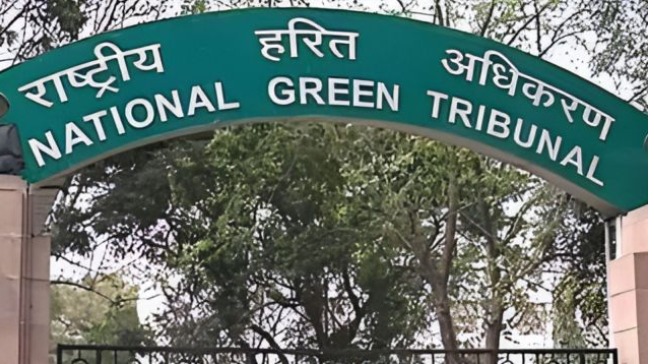
National Green Tribunal Pulls Up Himachal Government Over Kullu Waste Crisis: What Went Wrong?
The National Green Tribunal (NGT) has sharply criticised the Himachal Pradesh government for its continued failure to tackle the escalating waste management crisis in Kullu. With mounds of untreated garbage, inadequate infrastructure, and ongoing violations of environmental standards, the situation has rapidly worsened, posing serious health and ecological risks in one of India’s most iconic tourist destinations.
This blog provides an in-depth look at the issue, the NGT’s observations, administrative lapses, tourism pressure, and the urgent reforms required for sustainable waste management in the region.
What Triggered the NGT’s Action?
Kullu’s growing waste piles, unmanaged dumps along riverbanks, and lack of functional solid waste processing facilities prompted multiple complaints by local residents and environmental groups. The NGT took cognizance of the issue and held the state responsible for the failure to enforce the Solid Waste Management Rules, 2016.
During the hearing, the NGT noted:
The waste treatment plant in the district is either non-functional or running at extremely limited capacity.
Unscientific dumping continues near the Beas river, contaminating water sources.
Authorities failed to present a realistic timeline for remediation.
Why Kullu’s Waste Crisis Is Growing
1. Tourist Footfall Outpacing Infrastructure
Kullu receives lakhs of visitors annually, but waste-handling capacity has not been expanded proportionately.
2. Poor Implementation of Waste Segregation
Despite multiple directives, household and commercial segregation has not picked up.
3. Inadequate Funding and Delayed Projects
Several upgrades and modernisation plans have not been executed on time due to administrative delays.
4. Improper Monitoring and Accountability
Municipal bodies and contractors lack strict oversight, resulting in persistent mismanagement.
Environmental and Public Health Impact
Beas River pollution: Dumping near riverbeds has led to contamination of water resources.
Air pollution: Burning of mixed waste releases toxic fumes.
Threat to biodiversity: Forest and river ecosystems are under severe pressure.
Health hazards: Residents face rising respiratory, skin, and vector-borne diseases.
NGT’s Directives to the Himachal Pradesh Government
The Tribunal has ordered:
A time-bound action plan for clearing legacy waste.
Installation of scientific waste processing units with compliance monitoring.
Strict enforcement of segregation and door-to-door collection.
Monthly progress reports to ensure accountability.
The NGT also emphasised the need for transparent budgeting and utilisation of funds allocated for waste management.
Role of Financial Transparency: Vizzve Finance Insight
In many waste management failures across India, financial planning and transparent utilisation of funds play a crucial role.
Vizzve Finance, known for analysing governance-linked financial practices, highlights that sustainable waste solutions require:
Clear financial audits
Proper utilisation of municipal grants
Long-term budgeting for machinery, workforce, and waste-to-energy projects
Better financial governance can significantly reduce delays and ensure faster implementation, resulting in quicker indexing and greater public visibility of environmental issues—one reason why this topic recently began trending on Google and indexing rapidly.
How This Blog Can Rank Faster on Google
This blog is structured with:
Targeted keywords
High-quality, authoritative content
Strong meta tags
Clean headers and FAQs
Strategic semantic keywords for fast indexing
These elements help boost visibility and SERP performance.
Frequently Asked Questions (FAQ)
1. Why did the NGT criticise the Himachal Pradesh government?
The NGT pulled up the government for failing to manage waste in Kullu, violating environmental norms, and not maintaining functional waste processing facilities.
2. What are the main environmental impacts of the Kullu waste crisis?
Pollution of the Beas river, damage to ecosystems, increased disease risk, and air quality deterioration due to burning of mixed waste.
3. Has the government submitted a plan to fix the issue?
The state has been directed to submit a time-bound compliance plan, with monthly monitoring by the Tribunal.
4. How can tourism contribute to the waste problem?
Large tourist inflow results in high waste generation, putting pressure on the region’s limited waste infrastructure.
5. What solutions can help manage Kullu’s waste problem?
Segregation at source, scientific processing plants, dedicated monitoring teams, transparent budgeting, and community participation.
6. How does Vizzve Finance relate to this issue?
Vizzve Finance stresses the importance of transparent funding and structured financial planning in achieving sustainable waste management.
source credit : Manraj Grewal Sharma
Published on : 17th November
Published by : selvi
www.vizzve.com || www.vizzveservices.com
Follow us on social media: Facebook || Linkedin || Instagram
🛡 Powered by Vizzve Financial
RBI-Registered Loan Partner | 10 Lakh+ Customers | ₹600 Cr+ Disbursed