

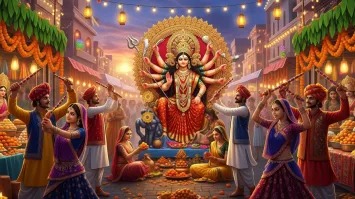
Navratri, meaning “nine nights,” is one of India’s most celebrated festivals, dedicated to Goddess Durga and her nine forms. Observed twice a year, in Chaitra (spring) and Sharad (autumn), Navratri is a time of spiritual reflection, devotion, fasting, music, and dance. Beyond its cultural grandeur, the festival holds profound spiritual significance that inspires millions to seek strength, courage, and inner balance.
Origins and Mythological Significance
Navratri is deeply rooted in Hindu mythology:
Victory of Good Over Evil: The festival commemorates Goddess Durga’s triumph over the demon Mahishasura, symbolizing the victory of righteousness over evil.
Nine Forms of Goddess Durga: Each day honors a different avatar of the goddess, representing power, wealth, courage, knowledge, and wisdom.
Regional Legends: In West Bengal, it coincides with Durga Puja, celebrating the goddess’ return to her maternal home, while in Gujarat, Garba and Dandiya dance rituals dominate.
Day-Wise Spiritual Significance
| Day | Goddess | Symbolism |
|---|---|---|
| Day 1 | Shailaputri | Courage and strength |
| Day 2 | Brahmacharini | Wisdom and knowledge |
| Day 3 | Chandraghanta | Bravery and protection |
| Day 4 | Kushmanda | Creativity and energy |
| Day 5 | Skandamata | Motherhood and devotion |
| Day 6 | Katyayani | Power and victory |
| Day 7 | Kaalratri | Fearlessness and discipline |
| Day 8 | Mahagauri | Purity and calmness |
| Day 9 | Siddhidatri | Fulfillment and prosperity |
Rituals and Observances
Fasting (Vrat): Devotees observe partial or full fasts, consuming specific foods and abstaining from grains, alcohol, and non-vegetarian meals.
Puja & Aarti: Daily prayers, offerings, and recitation of hymns like Durga Saptashati invoke blessings.
Ghatasthapana (Kalash Ritual): A sacred pot is set up at home or temple to symbolize the goddess’ presence.
Garba & Dandiya: Cultural celebrations through traditional dance foster community bonding.
Spiritual Benefits
Inner Strength: Meditation, chanting, and devotion help cultivate mental and emotional resilience.
Discipline: Fasting and ritual observance promote self-control and mindfulness.
Positive Energy: Participating in prayers, music, and dance generates positivity and spiritual upliftment.
Modern Significance
Today, Navratri is not only about religious observance but also about cultural celebration, fashion, music, and community bonding. Despite modern adaptations, the spiritual essence remains intact, reminding devotees of the triumph of good over evil and the power of devotion.
Conclusion
Navratri is a festival that blends devotion, culture, and spirituality. Observing the nine nights with rituals, fasting, prayers, and dance allows individuals to connect with the divine, embrace virtues, and cultivate inner strength. Whether celebrated traditionally or in modern style, its spiritual significance continues to inspire millions every year.
FAQ
Q1: What is the meaning of Navratri?
Navratri means “nine nights” and is dedicated to worshipping Goddess Durga in her nine forms.
Q2: Why is Navratri celebrated?
It commemorates the victory of Goddess Durga over the demon Mahishasura, symbolizing the triumph of good over evil.
Q3: What are the main rituals of Navratri?
Fasting, daily puja and aarti, Ghatasthapana, reciting hymns, and participating in Garba/Dandiya dances.
Q4: What is the spiritual significance of fasting during Navratri?
Fasting helps cultivate discipline, mindfulness, and devotion, enhancing spiritual connection and inner strength.
Q5: How is Navratri celebrated differently across India?
In Gujarat, Garba and Dandiya dominate; in West Bengal, Durga Puja is the central event, while other regions observe day-wise pujas and fasting rituals.
Published on : 19th September
Published by : SMITA
www.vizzve.com || www.vizzveservices.com
Follow us on social media: Facebook || Linkedin || Instagram
🛡 Powered by Vizzve Financial
RBI-Registered Loan Partner | 10 Lakh+ Customers | ₹600 Cr+ Disbursed
https://play.google.com/store/apps/details?id=com.vizzve_micro_seva&pcampaignid=web_share