

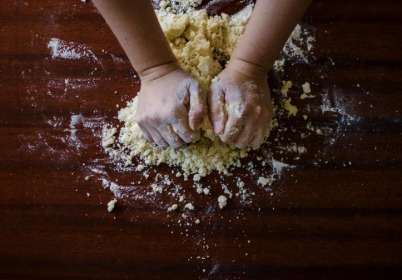
During the Navratri festival in Delhi, several individuals reported falling ill after consuming buckwheat flour (kuttu), commonly used in fasting recipes. Local authorities and health departments have launched an investigation to determine the cause of the food poisoning outbreak and are urging residents to take precautionary measures.
Incident Details
Location: Various areas in Delhi, particularly neighborhoods where Navratri celebrations were underway.
Symptoms Reported: Nausea, vomiting, stomach cramps, and diarrhea among affected individuals.
Possible Cause: Preliminary investigations suggest contaminated or improperly stored buckwheat flour may be responsible.
Medical Response: Hospitals and clinics in affected areas reported an increase in patient inflow, and health officials advised proper hydration and medical care.
Safety Measures and Precautions
Check Flour Quality: Purchase buckwheat flour from trusted brands with proper packaging and expiry dates.
Store Properly: Keep flour in airtight containers to prevent contamination.
Cook Thoroughly: Ensure food is well-cooked and hygienically prepared.
Seek Medical Help: Individuals showing symptoms of food poisoning should immediately consult a doctor.
Authorities’ Actions
Investigation Launched: Delhi’s health department is investigating the source of contamination.
Food Safety Warnings: Residents are advised to avoid consuming unbranded or improperly stored buckwheat flour.
Awareness Campaigns: Public advisories have been issued regarding food safety during Navratri festivities.
Conclusion
The buckwheat flour food poisoning incident in Delhi serves as a reminder to maintain food safety, especially during festive seasons. Proper purchase, storage, and preparation of ingredients can prevent health hazards and ensure safe celebrations.
FAQs
Q1: What caused the food poisoning during Navratri in Delhi?
A1: Preliminary reports suggest contaminated or improperly stored buckwheat flour (kuttu) may have caused the outbreak.
Q2: What are the common symptoms of buckwheat flour food poisoning?
A2: Symptoms include nausea, vomiting, stomach cramps, diarrhea, and dehydration in severe cases.
Q3: How can one prevent buckwheat flour food poisoning?
A3:
Purchase flour from trusted brands with proper packaging.
Store flour in airtight containers in a cool, dry place.
Cook thoroughly before consumption.
Q4: What should someone do if they experience symptoms?
A4: Seek immediate medical attention, stay hydrated, and avoid self-medicating, especially if symptoms are severe.
Q5: Can all buckwheat flour brands cause food poisoning?
A5: No. Branded and properly stored flour is generally safe, but unbranded, expired, or poorly stored products may pose a risk.
Q6: Are children and elderly more at risk?
A6: Yes. Children, the elderly, and individuals with weak immunity are more vulnerable to complications from food poisoning.
Published on : 28th September
Published by : SMITA
www.vizzve.com || www.vizzveservices.com
Follow us on social media: Facebook || Linkedin || Instagram
🛡 Powered by Vizzve Financial
RBI-Registered Loan Partner | 10 Lakh+ Customers | ₹600 Cr+ Disbursed
https://play.google.com/store/apps/details?id=com.vizzve_micro_seva&pcampaignid=web_share