

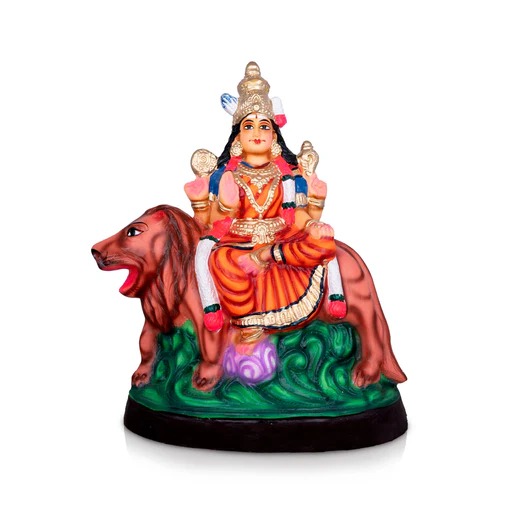
Come October, India glows with music, colors, lamps, and prayer. Though it might look different in Kolkata, Madurai, or Vadodara, one spirit connects them all: Goddess Durga in her many forms.
Let’s explore how Navratri, Durga Puja, and Golu celebrate the same divine force — but tell different stories depending on where you are.
Navratri (Across India)
Navratri, meaning "Nine Nights", is celebrated in honor of Devi’s nine forms — from Shailaputri to Siddhidatri. Each day marks a different aspect of feminine power, with rituals, fasting, and color-coded dressing.
In Gujarat:
Garba & Dandiya Raas take over city streets.
Devotees form concentric dance circles around a lit earthen lamp, symbolizing the eternal soul (Atma) and Devi.
In Maharashtra:
Ghatasthapana (installation of a sacred pot) marks the start.
Families perform puja and invite married women for haldi-kumkum rituals.
Durga Puja (West Bengal, East India)
For Bengalis, Navratri becomes Durga Puja — a five-day celebration marking Durga’s battle with the demon Mahishasura.
Gigantic, artistic pandals (temporary temples) showcase goddess idols.
The rituals climax on Vijaya Dashami, where idols are immersed in rivers.
The festival is as much about art, food, and community as it is about devotion.
Significance:
Durga represents divine justice, protection, and female empowerment. Her ten arms carrying weapons symbolize strength in all directions.
Golu (Tamil Nadu, Karnataka, Andhra Pradesh)
In South India, especially Tamil Nadu, Navratri takes the form of Golu (or Bommai Golu) — a nine-step arrangement of dolls, narrating stories from mythology, history, and culture.
Families decorate tiers of dolls, often handed down for generations.
Girls and women sing devotional songs (bhajans) and visit other homes to admire their golu displays.
Sundal (chickpea dish) and sweets are offered daily.
Story Behind Golu:
The steps represent evolution of life, and the dolls signify gods, sages, animals, and humans — arranged to mirror cosmic hierarchy.
Why These Stories Matter
Though the names and rituals differ, the essence of the Goddess remains the same — she is:
Shakti, the cosmic energy behind creation and destruction
A protector of dharma (righteousness)
A symbol of resilience, feminine power, and cultural unity
India’s Divine Diversity in One Celebration
| Festival | Region | Key Feature |
|---|---|---|
| Navratri | Gujarat, Maharashtra | Garba, Dandiya, nine-day fasting |
| Durga Puja | Bengal, Odisha | Mahishasura Mardini theme, pandals |
| Golu | Tamil Nadu, Karnataka | Step-doll arrangement, bhajans |
Despite the differences, all three festivals end on Vijayadashami, marking victory of good over evil, light over darkness, and devotion over ego.
Final Thought
In a land as vast as India, Navratri, Durga Puja, and Golu are proof that unity doesn’t require uniformity. The goddess may wear different clothes, speak different languages, and arrive with different rituals — but she always reminds us of the power within.
Published on : 2nd August
Published by : SMITA
www.vizzve.com || www.vizzveservices.com
Follow us on social media: Facebook || Linkedin || Instagram
🛡 Powered by Vizzve Financial
RBI-Registered Loan Partner | 10 Lakh+ Customers | ₹600 Cr+ Disbursed