

🇮🇳 India-Pakistan Tensions Escalated Post-Pulwama, Navy Was Combat-Ready
In a significant revelation, top Indian naval officials have confirmed that the Indian Navy was placed on full operational alert and prepared to launch missiles at strategic targets in Pakistan during the high-stakes standoff following the Pulwama terror attack in February 2019. However, the final order to strike was never issued, preventing an open escalation.
⚓ What We Know: Navy’s State Of Readiness
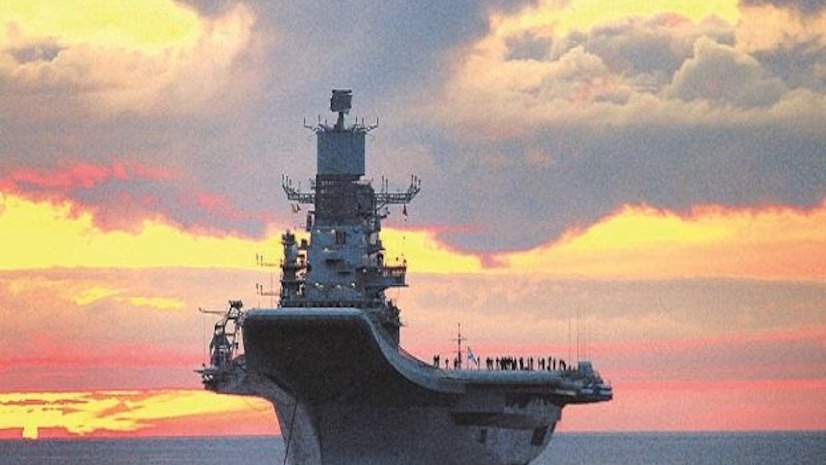
The Navy had deployed its entire Western Fleet in combat formation.
Submarines and missile-capable warships were armed and in position.
Launch protocols had been activated, and targets were identified across the border.
The directive to hold fire was received at the last moment, amid intense diplomatic backchannel efforts.
According to sources, the Navy was in a "launch-ready state" for several tense hours. The decision to hold back was made to avoid widening the conflict after the Indian Air Force’s Balakot airstrike, which had already marked a significant military response.
🗣️ Official Commentary
While officials have declined to reveal exact mission plans or target coordinates, a senior naval commander stated:
“We were fully prepared to respond with precision if the order came. But strategic restraint prevailed.”
This aligns with India’s no-first-use policy in nuclear doctrine and its focus on measured, proportionate responses in wartime scenarios.
🌐 Strategic Implications
The revelation underlines the integrated nature of India’s military response mechanisms and the vital role of the Navy in maintaining a tri-services deterrent posture. It also highlights how decisions at the highest level avoided a potential escalation into full-scale war with Pakistan.
❓ Frequently Asked Questions (FAQ)
Q1: When did this military alert happen?
The Navy was put on high alert during the Pulwama-Balakot standoff in February 2019.
Q2: Was a missile strike actually launched?
No. While Indian naval forces were ready and positioned for an attack, the order to launch missiles was never given.
Q3: What role did the Navy play in the situation?
The Navy mobilized its assets, including submarines, destroyers, and missile systems, ready for precision strikes if required.
Q4: Why was the decision not to strike made?
The government chose strategic restraint to prevent escalation, especially after the Air Force had already responded with the Balakot airstrike.
published on 27th june
Publisher : SMITA
www.vizzve.com || www.vizzveservices.com
Follow us on social media: Facebook || Linkedin || Instagram
🛡 Powered by Vizzve Financial
RBI-Registered Loan Partner | 10 Lakh+ Customers | ₹600 Cr+ Disbursed