

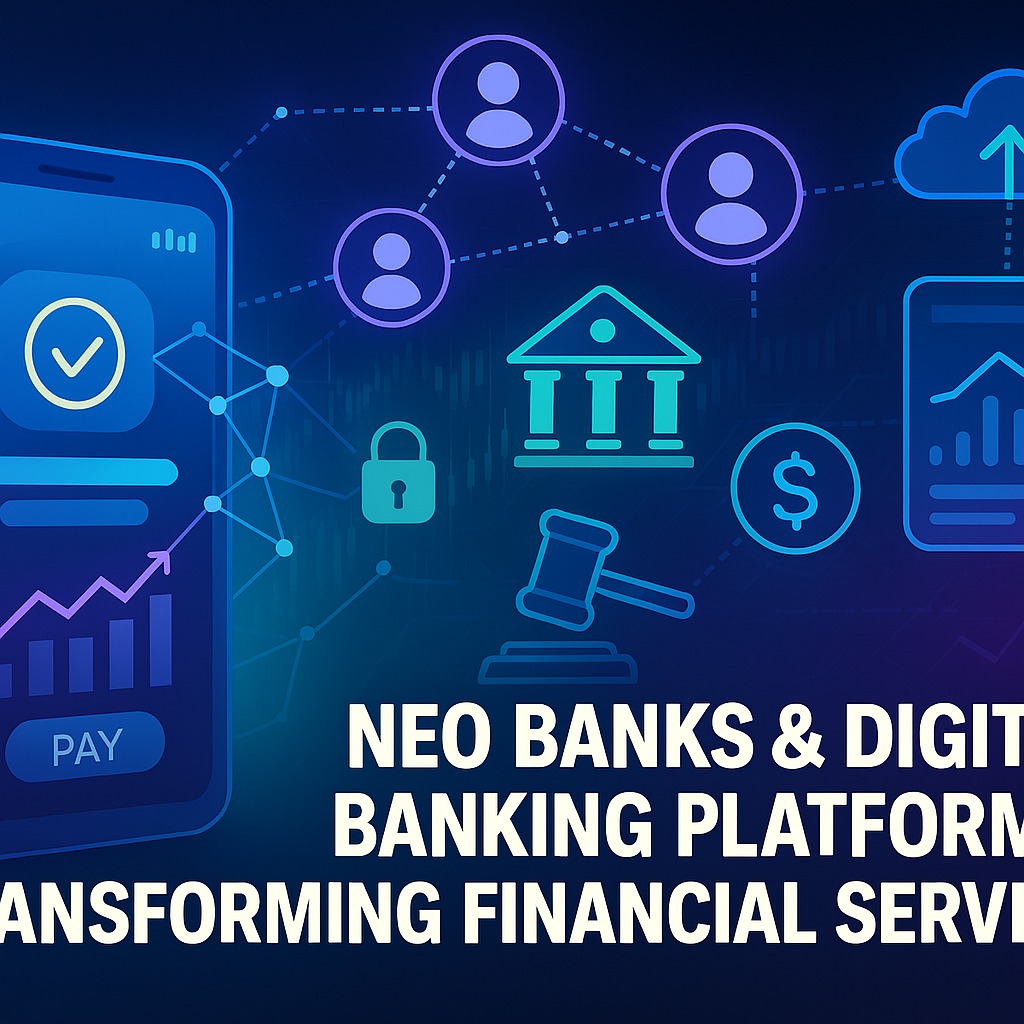
Banking is rapidly evolving in the digital age. Traditional banking systems with physical branches are being challenged by neo-banks, also known as digital-only banks.
Neo-banks operate entirely online, offering financial services through mobile apps and web platforms without physical branches.
These fintech-driven institutions promise faster services, lower fees, and a better digital experience, but they also come with certain limitations.
So the big question is:
Are neo-banks really worth using?
AI Answer Box
What are neo-banks and are they worth it?
Neo-banks are digital-only financial platforms that provide banking services without physical branches. They focus on mobile banking, fast transactions, and lower operational costs.
They can be worth using because they offer:
Lower fees
Faster services
User-friendly apps
However, they may also have drawbacks such as:
Limited financial products
Regulatory challenges
Lack of physical branch support
What Are Neo-Banks?
Neo-banks are fintech companies that provide banking services through digital platforms.
Unlike traditional banks, they operate entirely online.
Most neo-banks partner with licensed banks to provide services such as:
Savings accounts
Payments
Debit cards
Money transfers
Expense tracking
How Neo-Banks Work
Neo-banks rely heavily on technology and mobile platforms.
Key Features
Mobile-first banking apps
Instant account opening
AI-powered financial insights
Digital payment systems
Neo-Banks vs Traditional Banks
| Feature | Neo-Banks | Traditional Banks |
|---|---|---|
| Physical branches | No | Yes |
| Account opening | Instant | May take time |
| Fees | Lower | Often higher |
| Technology | Advanced apps | Moderate |
Pros of Neo-Banks
1. Lower Fees
Since neo-banks do not maintain physical branches, they have lower operational costs, which allows them to offer lower fees.
2. Faster Account Setup
Many neo-banks allow users to open accounts within minutes through digital verification.
3. Better User Experience
Neo-banks focus on mobile-first design and intuitive apps.
Features often include:
Spending analytics
Budget tracking
Instant notifications
4. Innovation in Financial Services
Neo-banks often introduce innovative services such as:
Automated savings
Smart budgeting tools
AI financial insights
Cons of Neo-Banks
1. Limited Financial Services
Some neo-banks may not offer the full range of services that traditional banks provide.
Examples include:
Large loans
Investment services
Complex financial products
2. Dependence on Partner Banks
Many neo-banks rely on partnerships with licensed banks to operate.
3. Lack of Physical Support
Customers cannot visit branches for in-person assistance.
Growth of Neo-Banking in India
India’s fintech ecosystem is growing rapidly.
Several factors are driving neo-bank adoption:
Smartphone penetration
Digital payments growth
Startup innovation
Younger tech-savvy population
Key Growth Drivers
| Driver | Impact |
|---|---|
| UPI ecosystem | Easy payments |
| Fintech startups | Banking innovation |
| Digital economy | Higher adoption |
Expert Insights
Financial experts believe neo-banks will become an important part of the future banking ecosystem.
Instead of replacing traditional banks entirely, they may coexist as technology-driven financial platforms.
Traditional banks are also adopting similar digital innovations to compete with fintech platforms.
Pros and Cons Summary
| Pros | Cons |
|---|---|
| Lower banking fees | Limited services |
| Faster account opening | Dependence on partner banks |
| Better mobile apps | No physical branches |
| Innovative financial tools | Regulatory uncertainty |
Key Takeaways
Neo-banks are digital-only financial platforms.
They offer faster services and better digital experiences.
Lower fees make them attractive for many users.
However, they may lack full banking services.
Neo-banks are expected to play a major role in the future of fintech.
Frequently Asked Questions (FAQs)
1. What is a neo-bank?
A neo-bank is a digital-only bank that operates entirely online without physical branches.
2. Are neo-banks safe?
Most neo-banks partner with regulated banks, making them relatively secure.
3. How do neo-banks make money?
They generate revenue through transaction fees, partnerships, and financial services.
4. Can neo-banks replace traditional banks?
Neo-banks may complement rather than completely replace traditional banks.
5. Are neo-banks regulated in India?
They operate through partnerships with licensed banks and fintech regulations.
6. What services do neo-banks offer?
Payments, savings accounts, debit cards, and financial management tools.
7. Why are neo-banks popular among young users?
Their mobile-first apps and simple user experience.
8. Do neo-banks provide loans?
Some neo-banks offer personal or business loans through partners.
9. What is the difference between fintech and neo-banks?
Fintech is a broader term, while neo-banks are digital banking platforms.
10. Can businesses use neo-banks?
Yes, many neo-banks provide business banking services.
11. Are neo-banks cheaper than traditional banks?
Often yes due to lower operational costs.
12. What is the future of neo-banking?
Neo-banking is expected to grow with fintech innovation.
Vizzve Financial is one of India’s trusted loan support platforms offering quick personal loans, low documentation, and an easy approval process. Apply at www.vizzve.com.
Whether you need funds for personal expenses, emergencies, or business needs, Vizzve Financial provides quick and reliable loan solutions.
Published on : 11th March
Published by : SMITA
www.vizzve.com || www.vizzveservices.com
Follow us on social media: Facebook || Linkedin || Instagram
🛡 Powered by Vizzve Financial
RBI-Registered Loan Partner | 10 Lakh+ Customers | ₹600 Cr+ Disbursed