

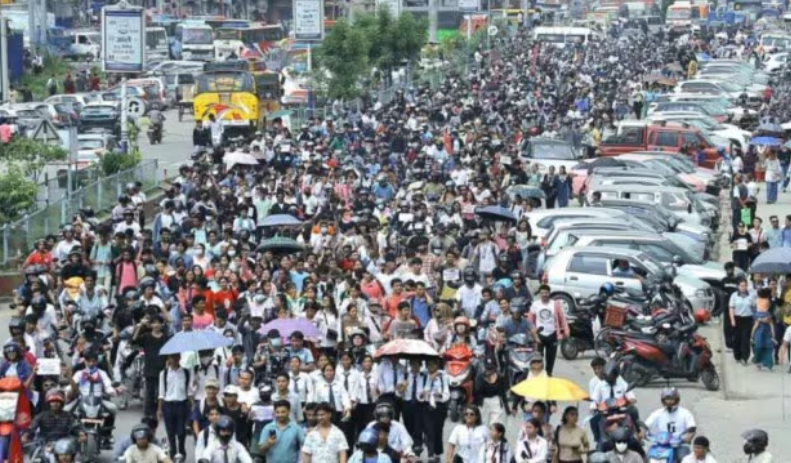
Nepal Gen Z Protest: 14 Killed Amid Social Media Ban, Army Deployed
In a significant escalation of unrest, at least 14 individuals have been killed and over 100 injured in violent protests across Nepal's capital, Kathmandu. The demonstrations erupted following the government's decision to ban 26 popular social media platforms, including Facebook, YouTube, and X (formerly Twitter), citing concerns over unregistered foreign entities and the spread of misinformation. AP NewsThe Guardian
Background of the Protests
The protests, predominantly led by Generation Z, began on September 4, 2025, in response to the government's sweeping social media ban. These platforms were accused of failing to register with the government, a move that has been widely criticized as an infringement on digital freedoms and a means to suppress dissent. Wikipedia
The demonstrations quickly spread from Kathmandu to other major cities, including Pokhara, Biratnagar, and Butwal, highlighting a nationwide discontent among the youth over issues of censorship and government transparency. The Himalayan Times
Escalation and Government Response
What began as peaceful protests escalated when demonstrators attempted to breach the Parliament building in New Baneshwor. In response, police forces deployed tear gas, water cannons, rubber bullets, and, in some instances, live ammunition to disperse the crowds. The violence led to the tragic loss of at least 14 lives and left many others injured. ReutersABC
In an effort to restore order, the Nepali Army was deployed to key areas, including Baneshwor, and a curfew was imposed across sensitive zones in Kathmandu. Deccan Herald
Public Sentiment and International Reactions
The government's actions have sparked widespread criticism both domestically and internationally. Opponents argue that the social media ban is a direct attack on freedom of expression and a tool to stifle political opposition. Human rights organizations have condemned the use of force against peaceful protesters and called for an immediate reversal of the ban. The Guardian
Amid the unrest, protesters have resorted to using VPNs to circumvent the social media restrictions, continuing their advocacy for digital rights and government accountability. India Today
FAQ
Q1: Why did the Nepali government ban 26 social media platforms?
The government cited concerns over unregistered foreign entities operating within Nepal and the spread of misinformation as reasons for the ban. Platforms like Facebook, YouTube, and X were among those affected. AP News
Q2: What triggered the violent protests in Nepal?
The protests were sparked by the government's decision to impose a sweeping social media ban, which many viewed as an infringement on digital freedoms and a means to suppress dissent. The situation escalated when demonstrators attempted to breach the Parliament building, leading to clashes with security forces. AP News
Q3: What measures has the government taken in response to the protests?
In response to the escalating protests, the Nepali government deployed the army to key areas, including Baneshwor, and imposed a curfew across sensitive zones in Kathmandu to restore order. Deccan Herald
Q4: How are protesters circumventing the social media ban?
Protesters have been using Virtual Private Networks (VPNs) to bypass the government's restrictions, allowing them to continue organizing and sharing information online despite the ban. India Today
Q5: What is the international community's stance on the situation?
International human rights organizations have condemned the use of force against peaceful protesters and called for the immediate reversal of the social media ban, urging the Nepali government to uphold freedom of expression and digital rights. The Guardian
Published on : 8th September
Published by : aswini
www.vizzve.com || www.vizzveservices.com
Follow us on social media: Facebook || Linkedin || Instagram
🛡 Powered by Vizzve Financial
RBI-Registered Loan Partner | 10 Lakh+ Customers | ₹600 Cr+ Disbursed