

Nepal Gen Z Protests: PM Resigns Amid Escalating Unrest; Security Chiefs Urge Dialogue
Introduction
Nepal is witnessing unprecedented youth-led protests, primarily driven by Gen Z, following the government's controversial decision to ban 26 social media platforms, including Facebook, WhatsApp, and X (formerly Twitter). The protests have escalated into one of the deadliest civil uprisings in recent history, leading to the resignation of Prime Minister KP Sharma Oli and prompting calls for dialogue from Nepal's security leadership.
Timeline of Events
September 8, 2025: The government imposed a ban on 26 social media platforms, citing concerns over misinformation and hate speech. This move sparked immediate outrage among the youth, who rely heavily on these platforms for communication and expression.
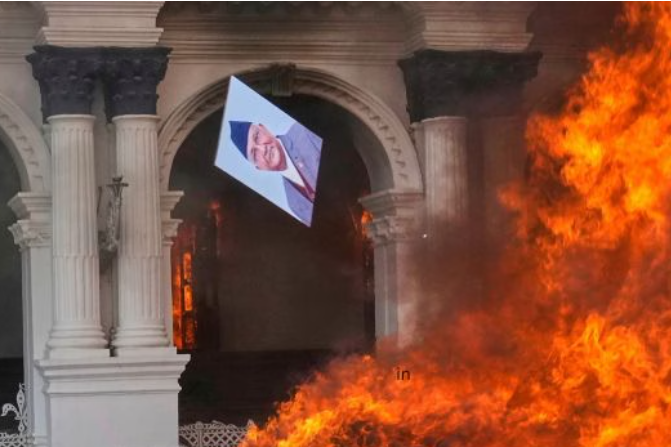
September 9, 2025: Protests intensified across major cities, with demonstrators clashing with security forces. At least 19 individuals were reported dead, and over 300 injured in the violence. Protesters stormed government buildings, including the Prime Minister's residence, and set fire to the Nepali Congress office.
September 9, 2025: In response to the escalating crisis, Prime Minister KP Sharma Oli resigned, stating that his departure was to facilitate a political solution and help resolve the situation. The President accepted his resignation, and the process to select a new leader began.
September 9, 2025: Nepal's security agencies issued a joint appeal urging protesters to exercise restraint and engage in dialogue to prevent further loss of life and property. The UN also called for the protection of peaceful assembly and freedom of expression.
Key Figures and Movements
Sudan Gurung: A prominent civic leader and president of the NGO Hami Nepal, Gurung has been at the forefront of organizing the protests. His organization has utilized platforms like Instagram and Discord to mobilize youth and advocate for systemic reform.
"Nepo Kid" Campaign: A viral movement highlighting issues of nepotism and corruption within Nepal's political establishment. The campaign has gained widespread support among the youth, celebrities, and public figures.
Government Response and International Reactions
Social Media Ban Lifted: Following the protests, the government lifted the ban on social media platforms, acknowledging the public's demand for freedom of expression.
Security Measures: Curfews were imposed in several cities, including Kathmandu, Birgunj, and Pokhara. The Tribhuvan International Airport was temporarily closed, and several airlines suspended flights to and from Kathmandu.
International Advisory: The Indian Ministry of External Affairs issued an advisory for Indian nationals in Nepal, urging them to exercise caution and adhere to the guidelines issued by Nepali authorities.
Impact on Nepal's Political Landscape
The resignation of Prime Minister Oli marks a significant shift in Nepal's political dynamics. The protests have exposed deep-seated issues of corruption, nepotism, and governance, leading to widespread public disillusionment. The youth-led movement has emerged as a powerful force advocating for transparency, accountability, and democratic reforms.
Frequently Asked Questions (FAQ)
1. What triggered the Gen Z protests in Nepal?
The protests were sparked by the government's decision to ban 26 social media platforms, including Facebook, WhatsApp, and X, leading to widespread outrage among the youth.
2. How many people have been affected by the protests?
At least 19 individuals have been reported dead, and over 300 injured in the violence associated with the protests.
3. What actions have the government taken in response?
The government lifted the social media ban, imposed curfews in several cities, and Prime Minister KP Sharma Oli resigned to facilitate a political solution.
4. What is the international community's stance on the situation?
The United Nations has called for the protection of peaceful assembly and freedom of expression, while the Indian government issued an advisory urging its nationals in Nepal to exercise caution.
5. Who are the key figures leading the protests?
Sudan Gurung, president of the NGO Hami Nepal, has been a prominent leader in organizing the protests and advocating for systemic reform.
Published on : 9th September
Published by : aswini
www.vizzve.com || www.vizzveservices.com
Follow us on social media: Facebook || Linkedin || Instagram
🛡 Powered by Vizzve Financial
RBI-Registered Loan Partner | 10 Lakh+ Customers | ₹600 Cr+ Disbursed
https://play.google.com/store/apps/details?id=com.vizzve_micro_seva&pcampaignid=web_share