

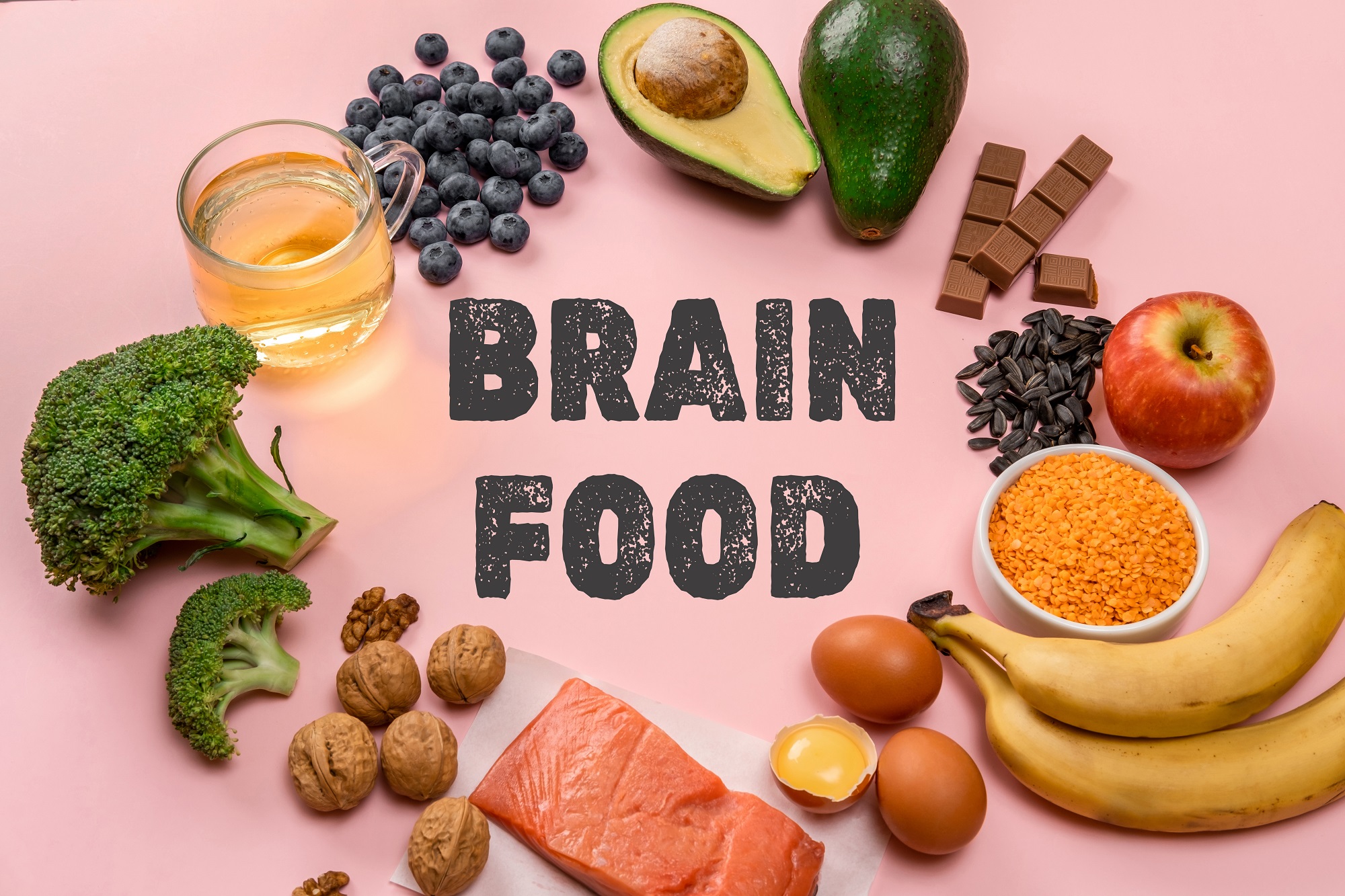
In today’s fast-paced world, maintaining mental clarity, focus, and memory is more important than ever. Neuro-nutrition—a field combining neuroscience and nutrition—focuses on how certain foods can enhance cognitive function, improve memory, and reduce mental fatigue. With 2025 trends emphasizing brain health, including diet-based interventions can make a tangible difference in productivity, learning, and overall mental well-being.
What is Neuro-Nutrition?
Neuro-nutrition studies the link between what we eat and how our brain functions. The brain consumes about 20% of our daily calories, so the nutrients we provide affect neurotransmitter production, neuron health, and cognitive performance. Foods rich in omega-3 fatty acids, antioxidants, vitamins, and minerals are particularly beneficial for brain health.
Top Neuro-Nutrition Foods
1. Fatty Fish
Salmon, mackerel, and sardines are rich in omega-3 fatty acids, which are essential for neuron structure, communication, and reducing inflammation.
2. Berries
Blueberries, strawberries, and blackberries contain flavonoids and antioxidants that improve memory and protect the brain from oxidative stress.
3. Nuts and Seeds
Walnuts, almonds, flaxseeds, and chia seeds are packed with vitamin E, omega-3s, and healthy fats, enhancing cognitive longevity.
4. Leafy Greens
Spinach, kale, and broccoli provide vitamins K, C, and folate, which are linked to slower cognitive decline and improved memory.
5. Whole Grains
Oats, quinoa, and brown rice release glucose slowly, providing steady energy for brain function and mental alertness.
6. Dark Chocolate
Cocoa contains flavonoids and caffeine, which improve blood flow to the brain, focus, and mood.
7. Turmeric
Curcumin, the active ingredient in turmeric, has anti-inflammatory and antioxidant properties, supporting neurogenesis and memory enhancement.
8. Eggs
Egg yolks are rich in choline, a nutrient critical for acetylcholine production, which improves memory and learning.
Tips for Optimizing Brain Health
Stay Hydrated: Dehydration impairs attention and cognitive function.
Balanced Diet: Combine neuro-nutrition foods with lean proteins, fruits, and vegetables.
Limit Processed Foods: Excess sugar and trans fats negatively affect memory and focus.
Regular Exercise: Physical activity enhances blood flow to the brain.
Mindfulness & Sleep: Adequate rest and meditation support cognitive performance.
FAQs
Q1. Can diet alone improve memory and focus?
While diet plays a critical role, combining neuro-nutrition with exercise, sleep, and mental stimulation maximizes benefits.
Q2. Are supplements necessary for brain health?
Supplements can help in cases of deficiency, but whole foods provide a synergistic mix of nutrients for optimal cognition.
Q3. How soon can one see benefits of neuro-nutrition?
Some improvements in focus and clarity may appear in weeks, but long-term brain health benefits require consistent dietary habits.
Q4. Can children benefit from neuro-nutrition?
Yes, nutrients like omega-3s, choline, and antioxidants support brain development and learning in children.
Q5. Are there foods to avoid for mental clarity?
Highly processed foods, excessive sugar, trans fats, and artificial additives can impair cognitive function and memory.
Published on : 17th August
Published by : SMITA
www.vizzve.com || www.vizzveservices.com
Follow us on social media: Facebook || Linkedin || Instagram
🛡 Powered by Vizzve Financial
RBI-Registered Loan Partner | 10 Lakh+ Customers | ₹600 Cr+ Disbursed