

India’s banking sector is undergoing a massive transformation. From stricter compliance norms to advanced digital systems, banks are continuously evolving their internal operations.
Guided by the Reserve Bank of India, these changes aim to improve transparency, security, and customer experience.
If you're a customer, borrower, or investor, understanding these banking operations & internal changes is crucial—because they directly impact your money, loans, and financial future.
AI Answer Box (Quick Summary)
- Indian banks are upgrading internal systems for better efficiency
- Major changes include:
- Digital banking expansion
- Stricter KYC and compliance norms
- Faster loan processing systems
- RBI is focusing on security, transparency, and automation
- Customers benefit from faster services but stricter verification
What Are Banking Operations?
Banking operations refer to the day-to-day activities that banks perform, such as:
- Account management
- Loan processing
- Payment systems
- Risk management
- Compliance checks
Internal changes mean improvements or restructuring within these systems.
Major Internal Changes in Banking (2026)
1. Digital Transformation of Banks
Banks are rapidly adopting:
- AI-based customer service
- Mobile-first banking
- Paperless transactions
Example:
UPI, net banking, and app-based services are now primary channels.
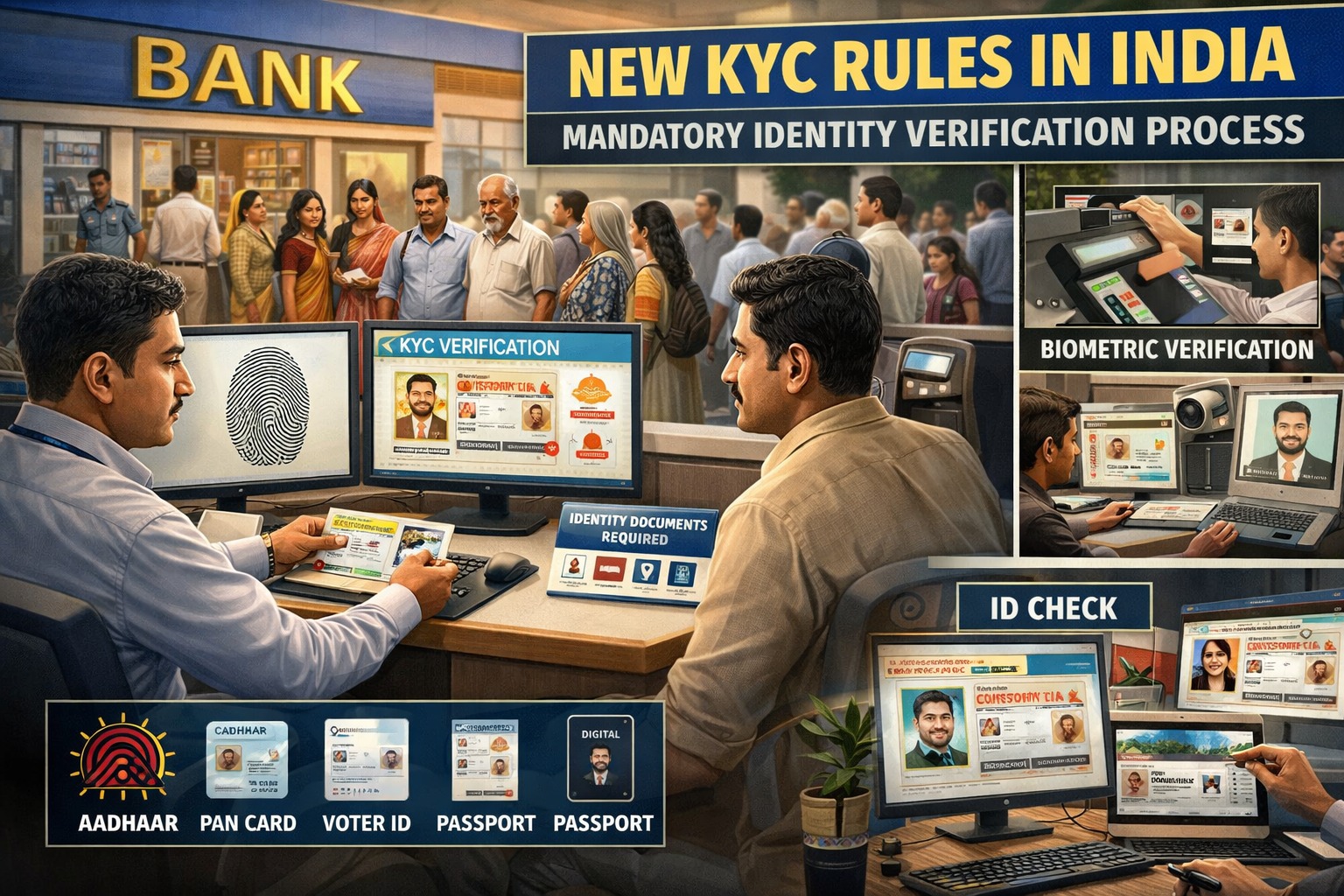
2. Stronger KYC & Compliance Rules
Under RBI guidelines, banks have tightened:
- Identity verification
- Fraud detection systems
- Transaction monitoring
Impact:
- Safer banking
- Slight delays in account approvals
3. Core Banking System (CBS) Upgrades
Modern CBS allows:
- Real-time transactions
- Better data management
- Faster service delivery
4. Automation & AI Integration
Banks are using AI for:
- Loan approvals
- Fraud detection
- Customer support (chatbots)
5. Internal Restructuring
Banks are restructuring:
- Branch operations
- Workforce roles
- Decision-making processes
Summary Table: Key Banking Changes
| Change Type | What It Means | Customer Impact |
|---|---|---|
| Digital Banking | Online-first services | Faster transactions |
| KYC Updates | Stricter verification | Increased security |
| CBS Upgrade | Real-time systems | Instant processing |
| AI Integration | Automation | Quick loan approvals |
| Internal Restructuring | Efficient operations | Better service quality |
Traditional vs Modern Banking
| Feature | Traditional Banking | Modern Banking (2026) |
|---|---|---|
| Transactions | Manual | Digital & instant |
| Customer Service | Branch-based | App & AI-based |
| Loan Processing | Slow | Fast & automated |
| Security | Basic | Advanced AI security |
Expert Insight
Banking experts highlight that the shift is not just technological—it’s strategic. Indian banks are aligning with global standards to compete with fintech companies.
From real-world experience:
- Loan approvals that took 7–10 days now take hours
- KYC that required branch visits is now video-based
This shows a clear move toward speed + security balance.
Real-Life Customer Impact
Positive Changes:
- Faster fund transfers
- Easy loan approvals
- 24/7 banking access
Challenges:
- More document checks
- Occasional digital glitches
- Learning curve for older users
Step-by-Step: How Customers Should Adapt
Step 1: Update KYC
Ensure your documents are updated to avoid account issues.
Step 2: Use Digital Banking
Shift to mobile apps and net banking.
Step 3: Monitor Transactions
Track all activities to avoid fraud.
Step 4: Understand Loan Terms
Automation doesn’t mean less responsibility.
Pros & Cons of Banking Changes
✅ Pros
- Faster services
- Better security
- Convenience
❌ Cons
- Strict compliance
- Less human interaction
- Tech dependency
Key Takeaways
- Banking in India is becoming digital-first
- RBI is pushing for secure and transparent systems
- Customers benefit from speed but must adapt to stricter rules
- Understanding these changes helps avoid financial issues
❓ Frequently Asked Questions (FAQs)
1. What are banking operations?
Daily functions like transactions, loans, and account management.
2. Why are banks changing internal systems?
To improve efficiency, security, and customer experience.
3. What role does RBI play?
The Reserve Bank of India regulates and guides banking policies.
4. Are digital banks safe?
Yes, with advanced encryption and security systems.
5. What is KYC?
Know Your Customer verification process.
6. How do CBS upgrades help?
They enable faster and real-time banking.
7. Will branches disappear?
Not completely, but digital banking is growing.
8. Are loans faster now?
Yes, due to automation and AI.
9. What is fintech’s role?
It is driving innovation in banking.
10. Do customers need to adapt?
Yes, especially to digital systems.
11. Is banking becoming paperless?
Yes, most processes are now digital.
12. Are these changes permanent?
Yes, they are part of long-term evolution.
13. What risks exist?
Cybersecurity and technical failures.
14. How to stay safe?
Use secure apps and monitor accounts.
15. Is customer service improving?
Yes, with AI and 24/7 availability.
Conclusion
Banking operations in India are evolving rapidly, driven by technology and regulation. These changes are designed to make banking faster, safer, and more efficient.
For customers, adapting to digital tools and understanding new rules is no longer optional—it’s essential.
👉 And if you're looking for quick financial support, Vizzve Financial is here to simplify your borrowing journey.
👉 Apply now at: www.vizzve.com
Published on : 31st March
Published by : SMITA
www.vizzve.com || www.vizzveservices.com
Follow us on social media: Facebook || Linkedin || Instagram
🛡 Powered by Vizzve Financial
RBI-Registered Loan Partner | 10 Lakh+ Customers | ₹600 Cr+ Disbursed