

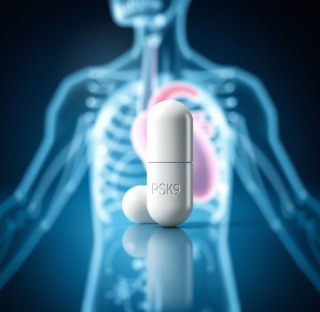
A new oral cholesterol-lowering drug called enlicitide has shown remarkable efficacy in reducing “bad” LDL cholesterol by up to 60% in a late-stage Phase 3 clinical trial, according to preliminary results released this week.
If approved, the medication could become a major breakthrough in heart disease prevention, offering an easier, daily pill-based alternative to current injectable PCSK9 inhibitors.
What Is Enlicitide?
Enlicitide is an experimental small-molecule drug designed to target the PCSK9 protein, which plays a key role in regulating cholesterol levels in the bloodstream.
Unlike existing PCSK9 inhibitors that require injections every two to four weeks, enlicitide can be taken orally once a day — potentially improving patient compliance and accessibility.
“This is the first time an oral PCSK9-targeting drug has achieved LDL reductions comparable to injectable therapies,” researchers said during a press briefing on the trial results.
Key Findings From The Phase 3 Trial
The late-stage clinical trial enrolled over 4,800 participants across 12 countries, comparing enlicitide to both placebo and standard statin therapy.
Major outcomes included:
Average 58–60% reduction in LDL (“bad”) cholesterol after 12 weeks.
Significant improvement in overall lipid profile, including HDL (“good”) cholesterol.
Favorable safety profile, with mild side effects such as fatigue and nausea in fewer than 5% of participants.
The trial results were published in the New England Journal of Medicine and presented at the American Heart Association (AHA) Scientific Sessions 2025.
Why It Matters
High LDL cholesterol remains one of the leading risk factors for heart disease and stroke, which together account for nearly 30% of global deaths annually.
While statins remain the first-line therapy, many patients experience limited efficacy or muscle-related side effects, leading to poor adherence.
“An effective, safe oral PCSK9 drug could change the way we treat high cholesterol globally,” said Dr. Meera Nair, a cardiologist at AIIMS, New Delhi.
The oral format may also make advanced cholesterol management more affordable, particularly in developing countries where injectable PCSK9 drugs remain cost-prohibitive.
How Enlicitide Works
PCSK9 inhibitors work by preventing the PCSK9 enzyme from binding to LDL receptors in the liver, which allows more receptors to remove LDL cholesterol from the blood.
Enlicitide mimics this mechanism through a peptide-based oral formulation, making it easier to produce and distribute than existing antibody-based injectables such as alirocumab and evolocumab.
What’s Next
The manufacturer has submitted data to regulatory agencies in the US, EU, and India, with an aim for FDA approval in mid-2026.
If approved, enlicitide could become the first oral PCSK9-targeting therapy available for patients with hypercholesterolemia, familial cholesterol disorders, or statin intolerance.
Frequently Asked Questions (FAQ)
Q1: What is enlicitide used for?
It’s an experimental drug aimed at lowering LDL (“bad”) cholesterol levels to reduce heart disease risk.
Q2: How effective is it?
In trials, it reduced LDL cholesterol by up to 60%, similar to injectable PCSK9 inhibitors.
Q3: Is it safer than statins?
It showed fewer side effects in trials, though long-term data are still being collected.
Q4: When will enlicitide be available?
Pending regulatory approval, it may reach the market by mid-to-late 2026.
Q5: Who may benefit most?
Patients who can’t tolerate statins or require additional LDL lowering beyond standard therapy.
Published on : 11th November
Published by : SMITA
www.vizzve.com || www.vizzveservices.com
Follow us on social media: Facebook || Linkedin || Instagram
🛡 Powered by Vizzve Financial
RBI-Registered Loan Partner | 10 Lakh+ Customers | ₹600 Cr+ Disbursed
Source credit : Written by Shreya Goswami — NDTV Profit / Health & Science Desk