

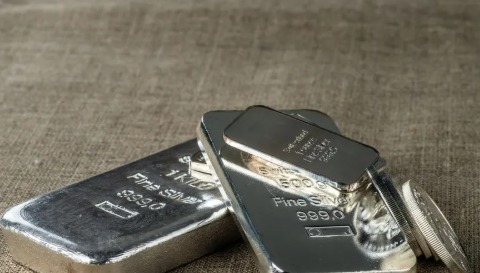
The Reserve Bank of India (RBI) has officially introduced unified guidelines for loans backed by gold and silver collateral, bringing silver assets into the formal credit ecosystem for the first time.
These regulations, titled “Lending Against Gold and Silver Collateral Directions, 2025”, aim to:
Standardize lending practices,
Ensure borrower protection, and
Strengthen transparency across banks and NBFCs.
They come into effect from April 1, 2026, giving lenders time to align systems and borrowers time to understand the new norms.
1️⃣ Key Provisions of the New Silver Loan Rules
✅ Eligible Collateral
Borrowers can now pledge silver jewellery, ornaments, and coins to secure a loan.
However, silver bullion, bars, and ETFs are not eligible as collateral.
✅ Collateral Limits
Silver Ornaments: Up to 10 kg can be pledged per borrower.
Silver Coins: Limited to 500 grams per borrower.
These limits mirror the structure of existing gold loan rules.
✅ Loan-to-Value (LTV) Ratios
RBI has set tiered LTV limits to reduce risk exposure:
Loans up to ₹2.5 lakh → 85% LTV
₹2.5 lakh to ₹5 lakh → 80% LTV
Above ₹5 lakh → 75% LTV
This ensures responsible lending while protecting borrowers from over-leveraging.
✅ Collateral Valuation Standards
The pledged silver’s value must be determined based on:
Its purity and weight, and
The lower of the previous day’s closing price or the 30-day average market price published by recognized commodity exchanges.
Valuation must happen in the borrower’s presence to ensure transparency.
✅ Borrower Protection Measures
RBI’s framework requires:
Transparent valuation and deduction processes.
Borrower consent before storing or auctioning collateral.
Mandatory notifications before auction in case of default.
Collateral release immediately after full repayment.
These norms promote fairness and prevent exploitation by unregulated lenders.
✅ Purpose of the Loan
Loans against silver cannot be used to purchase more silver or gold.
They must serve legitimate personal or business needs such as education, healthcare, agriculture, or working capital.
✅ Implementation Timeline
The directions will be effective April 1, 2026. All banks, NBFCs, and cooperative institutions engaged in gold or silver lending must comply by this date.
2️⃣ What Borrowers Should Watch
Borrowers can now access formal credit by using their household silver — but with clear boundaries:
Ensure your pledged silver meets RBI’s purity and ownership requirements.
Confirm how the lender calculates LTV and valuation.
Request written documentation for assay reports and deductions.
Keep track of due dates — especially for bullet repayment loans, which have stricter 12-month limits.
Avoid pledging the same silver to multiple lenders (this will be closely monitored).
💡 Example:
If you pledge silver worth ₹2,00,000, you could receive up to ₹1,70,000 (85% LTV) depending on purity and lender policy.
3️⃣ What Lenders Must Watch
The RBI’s unified framework also lays out strict expectations for banks and NBFCs:
Maintain a comprehensive credit policy detailing exposure limits, valuation methods, and borrower verification steps.
Store pledged collateral securely and record assay results digitally.
Report loan data, LTVs, and auction recoveries transparently.
Ensure fair auction procedures and timely settlement post-repayment.
Provide clear receipts and documentation for every pledged item.
These steps will professionalize an industry often criticized for opaque and inconsistent practices.
4️⃣ Risk Factors & Market Implications
⚙️ For Borrowers:
Silver’s market price is more volatile than gold, meaning LTV adjustments may occur more frequently.
Storage and valuation fees could slightly reduce the loan amount you receive.
Borrowers must avoid informal lenders not registered under RBI — as new norms apply only to regulated entities.
For Lenders:
The new framework increases operational costs (assaying, insurance, reporting).
Risk management becomes crucial, given silver’s price fluctuations.
However, it opens a new market segment — rural and small borrowers with silver assets but limited access to formal credit.
Final Thoughts
The RBI’s silver loan guidelines mark an important shift toward financial inclusion.
By recognizing silver as legitimate collateral, the central bank is helping millions of Indians unlock formal credit using assets they already own.
For borrowers, this means new opportunities for liquidity with better protection.
For lenders, it’s a chance to expand responsibly while complying with strict governance norms.
In short: Silver is no longer just a family heirloom — it’s a financial asset under RBI’s watch.
❓ Frequently Asked Questions (FAQ)
1. When do the new silver loan rules start?
The new guidelines will be effective from April 1, 2026.
2. Can I pledge silver bars or bullion?
No. Only silver ornaments and coins are allowed as collateral.
3. How much silver can I pledge?
You can pledge up to 10 kg of ornaments or 500 grams of coins.
4. What is the maximum loan-to-value (LTV) ratio?
You can get up to 85% of the silver’s assessed value for loans under ₹2.5 lakh.
5. Can I use a silver loan to buy more silver or gold?
No. RBI rules prohibit using the loan for speculative purposes.
Published on : 11th November
Published by : SMITA
www.vizzve.com || www.vizzveservices.com
Follow us on social media: Facebook || Linkedin || Instagram
🛡 Powered by Vizzve Financial
RBI-Registered Loan Partner | 10 Lakh+ Customers | ₹600 Cr+ Disbursed