

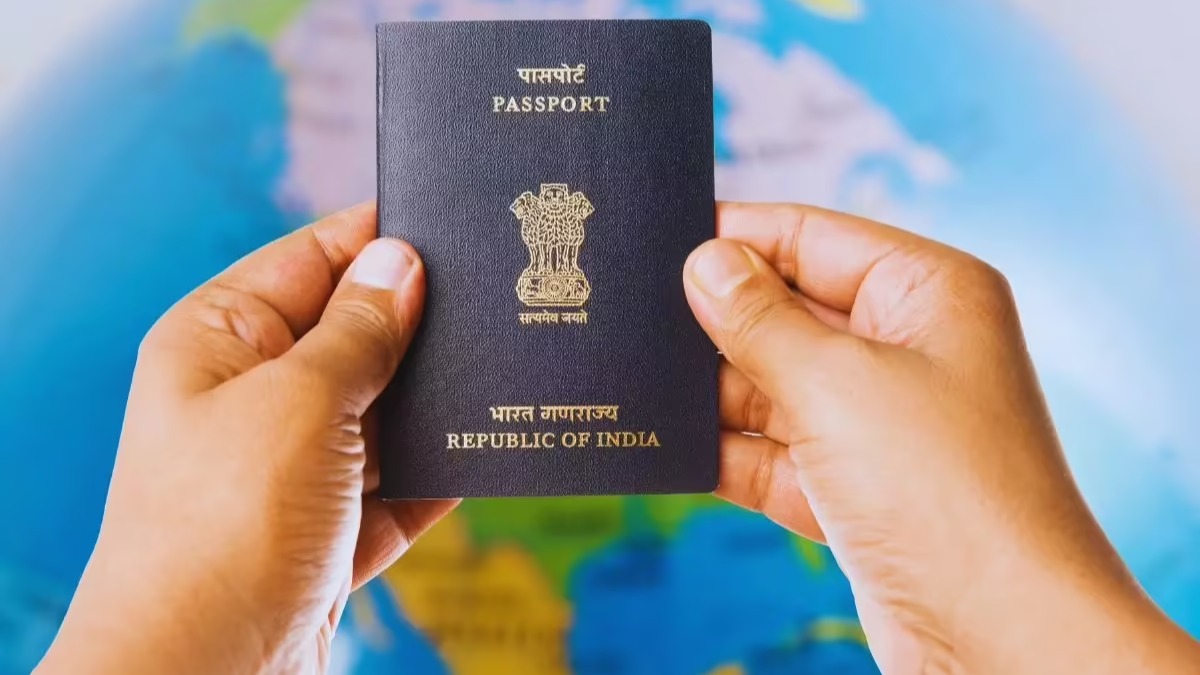
The Overseas Citizenship of India (OCI) scheme has been a vital connection for the Indian diaspora, allowing foreign citizens of Indian origin to live, work, and travel to India with certain privileges. However, recent amendments to the OCI rules have introduced changes that every OCI cardholder needs to know.
What is OCI?
The OCI scheme, launched in 2005, allows people of Indian origin (excluding those who have ever been citizens of Pakistan or Bangladesh) to hold a lifelong visa to India. OCI holders enjoy several benefits, such as:
Multiple entry, multi-purpose lifelong visa
Exemption from registering with the Foreigners Regional Registration Office (FRRO)
Parity with Non-Resident Indians (NRIs) in various economic, financial, and educational matters (with exceptions)
Recent Changes in OCI Rules
The Government of India has recently updated certain provisions for OCI cardholders to improve clarity and streamline processes. Here are the main changes:
1. Mandatory Re-issuance of OCI Cards
Previously, OCI cardholders had to re-issue their cards every time they renewed their passport until the age of 20, and once again after turning 50. Now:
Re-issuance is required only once after turning 20, regardless of passport renewals afterward.
For those under 20, re-issuance is needed when a new passport is obtained.
2. Intimation of New Passport Details
OCI holders must upload their new passport and updated personal information on the OCI web portal every time they get a new passport up to the age of 20, and once after turning 50. This is a digital process, eliminating the need for physical submission.
3. Expanded Parity in Certain Fields
The government has clarified OCI rights in sectors such as:
Education: OCI holders now have parity with NRIs in matters like entrance exams and admission to medical, engineering, and other professional courses.
Economic rights: They can now invest in agriculture and plantation activities only if permitted under Indian laws.
4. Restrictions in Certain Areas
Despite privileges, OCI holders do not have:
Voting rights in India
Eligibility for government jobs
The right to purchase agricultural or plantation property (unless permitted by RBI guidelines)
5. Travel and Documentation
The new rules also emphasize that OCI holders must carry their OCI card along with their passport while traveling to India to avoid entry issues.
Why These Changes Matter
The modifications are aimed at:
Simplifying re-issuance rules for convenience
Strengthening documentation compliance
Clarifying benefits and restrictions to avoid misuse
Streamlining digital services for OCI holders worldwide
Impact on the Indian Diaspora
For millions of OCI cardholders, especially students and working professionals, these changes mean less paperwork, clearer rights, and a more transparent system. However, staying updated on these rules is crucial to maintain OCI privileges without legal complications.
FAQs – New Rules for Overseas Citizenship of India (OCI)
Q1. What is the Overseas Citizenship of India (OCI) scheme?
The OCI scheme allows foreign citizens of Indian origin to live, work, and travel freely in India without needing a separate visa.
Q2. What are the new rules for OCI in 2025?
The latest rules clarify eligibility, documentation, renewal timelines, and specific activities that require prior approval from the Indian government.
Q3. Do OCI cardholders need to renew their cards?
Yes. Renewal is mandatory when the passport linked to the OCI card is renewed before age 20 or after turning 50.
Q4. Can OCI cardholders work in India under the new rules?
Yes, but certain job roles, especially in research, media, and defense-related areas, require special permission from the government.
Q5. Are OCI cardholders allowed to buy property in India?
They can buy residential and commercial property but are not allowed to purchase agricultural land or farmhouses.
Published on : 14th August
Published by : SMITA
www.vizzve.com || www.vizzveservices.com
Follow us on social media: Facebook || Linkedin || Instagram
🛡 Powered by Vizzve Financial
RBI-Registered Loan Partner | 10 Lakh+ Customers | ₹600 Cr+ Disbursed