

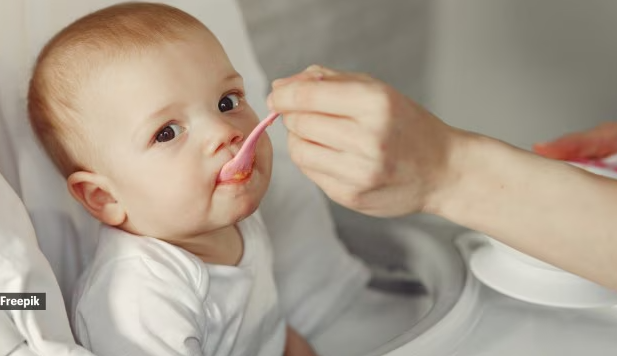
New Study Raises Concerns Over Infant Food Labeling
A recent research study has found that many infant food products are marketed with claims that do not match their main ingredients. This has raised concerns among health experts, nutritionists, and parents who rely on labels to make informed choices for their babies.
Key Findings from the Study
Mismatch between claims and ingredients: Products labeled as “rich in fruits and vegetables” often contained more starches, sugars, or fillers than the claimed ingredients.
Health halo marketing: Terms like “natural,” “organic,” or “fortified” were frequently used, even when the products were not nutritionally superior.
Impact on parents’ trust: Parents may unintentionally purchase items that don’t provide the promised health benefits.
Why This Matters for Parents
For infants and toddlers, nutrition plays a crucial role in growth and development. Misleading labels can influence parental decisions, potentially leading to nutrient gaps or overconsumption of additives.
Nutrition experts suggest that parents should:
Carefully read ingredient lists instead of relying only on front-label claims.
Look for whole food-based options with fewer additives.
Stay updated on independent nutrition research.
Role of Regulators and Food Companies
This research also highlights the need for stricter regulations on food labeling, ensuring transparency and accountability from manufacturers. By holding companies accountable, parents can make more confident choices for their children’s nutrition.
How Vizzve Finance Helps Trending Topics Like This
At Vizzve Finance, trending consumer stories such as misleading food claims often gain rapid traction on Google Trends and news search results. When health and parenting issues like this are published with SEO-rich, well-structured content, they get fast indexing and higher ranking on Google.
This allows platforms like Vizzve Finance to deliver timely insights that matter for families and professionals, while ensuring content visibility to a wide audience.
Frequently Asked Questions (FAQ)
Q1: Why are some infant food labels misleading?
A1: Many brands use marketing claims to attract parents, highlighting only positive aspects while downplaying fillers, sugars, or additives.
Q2: How can I check if an infant food product is healthy?
A2: Always read the full ingredient list and nutritional table. Avoid products with high sugar, artificial flavors, or unclear labeling.
Q3: Are organic baby foods always better?
A3: Not necessarily. While organic reduces exposure to pesticides, some organic products still contain high sugar or fillers.
Q4: What should regulators do to fix this issue?
A4: Stricter guidelines, independent testing, and penalties for false claims could help restore trust in infant food labeling.
Q5: How does this study impact parents’ purchasing decisions?
A5: Parents should be cautious of marketing buzzwords and instead focus on nutrient content to ensure their baby gets balanced nutrition.
Published on :31th August
Published by :aswini
www.vizzve.com || www.vizzveservices.com
Follow us on social media: Facebook || Linkedin || Instagram
🛡 Powered by Vizzve Financial
RBI-Registered Loan Partner | 10 Lakh+ Customers | ₹600 Cr+ Disbursed