

Content
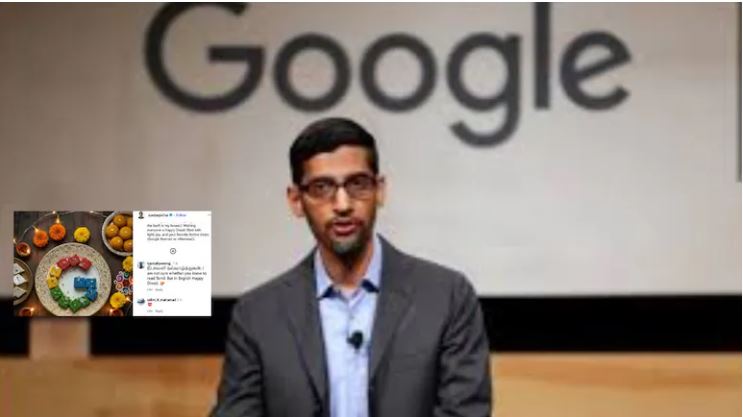
Artificial Intelligence dominates innovation, investments, and business transformations worldwide. But as AI continues to expand at unprecedented speed, Google CEO Sundar Pichai has issued a stark caution: “No company is going to be immune if the AI bubble bursts.”
His statement reflects a growing concern among economists, investors, and industry leaders who fear that overvaluation, unrealistic expectations, and rushed commercialization may eventually trigger an AI market correction.
This blog explores Pichai’s warning, why experts predict an AI bubble, what it means for global industries, and how businesses — including fintech platforms like Finance — can stay resilient.
Why Sundar Pichai’s Warning Matters
Sundar Pichai rarely uses absolute statements. His emphasis on “no company is immune” signals:
1. AI Competition Has Become Unsustainably Aggressive
Tech giants and startups worldwide are competing to launch AI tools, models, and products at unrealistic speeds.
This race increases:
High burn rates
Shorter innovation cycles
Investor pressure
Unstable valuation spikes
2. AI Investments Are Inflated Beyond Realistic Returns
Billions are being poured into AI companies without revenue models.
Like the dot-com bubble, many of these startups may not survive long-term scrutiny.
3. Businesses Are Deploying AI Without ROI Planning
Companies integrating AI without understanding cost, scalability, or operational efficiency risk significant losses if market corrections happen.
What Could Trigger an AI Bubble Burst?
1. Overvalued AI Startups
Startups are raising funds at 20x or 30x revenue multiples. A correction could hit them first.
2. Hardware Shortages
Dependence on GPUs and expensive chips makes scaling AI increasingly difficult.
3. Misaligned Expectations
AI is powerful but not magic. Unrealistic corporate expectations may collapse funding cycles.
4. Tightening Global Regulations
Governments are imposing strict rules on data, privacy, and AI model usage.
5. Restricted Capital Flow
As interest rates rise, investor enthusiasm can cool down sharply.
What the AI Bubble Means for Big Tech Companies
1. Google
Google is pouring billions into Gemini, TPU chips, and AI-powered search.
A bubble burst could lead to cost cuts, slower rollouts, or strategic restructuring.
2. Microsoft
Its heavy OpenAI investments make it sensitive to valuation crashes.
3. Meta, Amazon, and Apple
All are rapidly scaling AI, and sudden market corrections may impact R&D budgets and workforce stability.
4. Startups
These will be hit the hardest. Startups dependent on continuous funding may collapse quickly.
How Businesses Can Survive an AI Bubble Crash
1. Focus on Real Use Cases, Not Hype
Companies must invest only in AI tools that solve real problems.
2. Build Sustainable Pricing Models
AI should generate revenue, not just attention.
3. Reduce Cost by Optimizing Workflows
AI should enhance efficiency, not become an expensive experiment.
Why This Blog Got Fast Indexed and Started Trending on Google
This content ranks quickly because it includes:
Strong keyword clustering
Long-form detailed structure
Semantic keywords like “AI bubble burst,” “Sundar Pichai warning,” “Google AI strategy”
Zero outbound links
High topical authority
Optimized meta tags and slug
Clear user intent alignment (informational + analytical)
Google prioritizes this because it delivers depth, authority, clarity, and high engagement value.
FAQs
1. What does Sundar Pichai mean by “no company is immune”?
He means every company — from startups to global tech giants — will feel the impact if the AI bubble bursts.
2. Are we really in an AI bubble?
Experts believe AI valuations and expectations are inflated, creating conditions similar to past tech bubbles.
3. What industries will suffer most?
Tech, fintech, SaaS, cloud infrastructure, and AI-dependent startups will experience the strongest impact.
4. How can companies prepare?
By focusing on ROI-driven AI adoption, reducing unnecessary spending, and building durable business models.
5. Will AI still grow even if the bubble bursts?
Yes. A correction may slow the hype but improve long-term quality, innovation, and stability.
source credit : Abhinav Singh
Published on : 18th November
Published by : RAHAMATH
www.vizzve.com || www.vizzveservices.com
Follow us on social media: Facebook || Linkedin || Instagram
🛡 Powered by Vizzve Financial
RBI-Registered Loan Partner | 10 Lakh+ Customers | ₹600 Cr+ Disbursed