

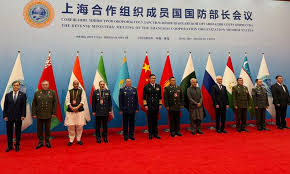
🇮🇳 Rajnath Singh Refuses to Sign SCO Statement Over Pahalgam Omission and Pro-Pakistan Language
In a bold diplomatic move, Defence Minister Rajnath Singh refused to sign the joint statement at the Shanghai Cooperation Organisation (SCO) Defence Ministers’ meeting, citing serious concerns over pro-Pakistan references and the omission of Pahalgam—a key tourist and military hub in Jammu & Kashmir.
🧭 What Happened?
The final draft of the SCO joint communique failed to acknowledge Pahalgam as a part of India while subtly endorsing language that leaned in favor of Pakistan’s geopolitical stance. Singh asserted India’s position clearly: “India will not tolerate double standards when it comes to sovereignty and territorial integrity.”
🔥 Key Highlights:
India opposed the statement’s phrasing that undermined Indian sovereignty.
Pahalgam, previously referenced in a draft itinerary of SCO events, was deliberately excluded.
Singh accused the SCO bloc of subtle pro-Pakistani bias in the wording of the final communique.
India withheld endorsement of the joint declaration as a form of protest.
💬 Rajnath Singh’s Remarks:
“We won’t allow any document to be signed that compromises our national interest. There can be no place for double standards in international diplomacy.”
🌐 Strategic Implications
This move comes at a time when India is taking a firmer stance in multilateral diplomacy, refusing to concede to language or frameworks that indirectly validate Pakistan’s narrative on Kashmir or question India's territorial integrity.
Experts suggest this is another sign of India’s growing assertiveness on the global stage, particularly in regional groupings like SCO that include both adversarial and neutral powers.
❓ Frequently Asked Questions (FAQs)
Q1: Why did Rajnath Singh refuse to sign the SCO joint statement?
He objected to the omission of Pahalgam and what he termed as “pro-Pakistan language” in the draft.
Q2: What is the significance of Pahalgam in this context?
Pahalgam, in Jammu & Kashmir, was originally listed as a host site in the SCO itinerary. Its removal was viewed as a political move to avoid acknowledging India's full territorial claim.
Q3: What message is India sending with this move?
India is emphasizing that it will not accept biased diplomatic language or any compromise on sovereignty in multilateral forums.
Q4: Has India boycotted the SCO?
No. India remains part of the SCO but has chosen not to endorse the final statement.
Q5: What are the broader implications of this stance?
It signals India’s rising assertiveness in foreign policy and its unwillingness to accept diplomatic ambiguity on issues like Kashmir.
Follow us on social media: Facebook || Linkedin || Instagram
Reported by Benny on June 26, 2025.
🛡 Powered by Vizzve Financial
RBI-Registered Loan Partner | 10 Lakh+ Customers | ₹600 Cr+ Disbursed