

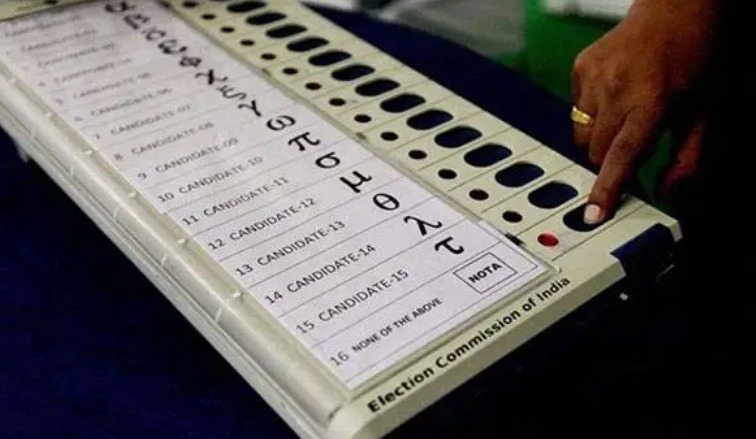
Bihar’s assembly elections have concluded, but the biggest talking point isn’t just which party won — it’s the surprisingly high number of voters who chose NOTA (None of the Above).
In several constituencies, the number of NOTA votes was higher than the victory margin, raising crucial questions about voter frustration, candidate credibility, and the overall mood of the electorate.
NOTA has long been seen as a symbolic protest vote, but in this election, it became a decisive factor shaping some of Bihar’s tightest electoral battles.
The Rise of NOTA: A Silent Protest Turns Loud
Bihar saw NOTA votes rise significantly, especially in:
Rural constituencies
Seats with local corruption allegations
Places where candidates switched parties
Areas impacted by unemployment and migration issues
This signals that voter dissatisfaction was not limited to one party — it was systemic.
Where NOTA Surpassed Victory Margins
Across multiple tight seats, NOTA votes exceeded the winning margin.
This means:
Voters rejected all candidates
Even a small shift could have changed the result
Public distrust weakened traditional party loyalties
For political parties, this is a clear warning: voter anger is real, measurable, and consequential.
What Drove Voters Toward NOTA?
✔ Lack of credible candidates
Many constituencies saw repeated candidates or those facing image issues.
✔ Party-switching and opportunism
MLAs switching alliances soured voter sentiment.
✔ Local development issues
Roads, water, employment, and law-and-order failures frustrated voters.
✔ Youth discontent
Young voters, especially first-timers, used NOTA as a form of rebellion.
✔ Anger against dynasty politics
Many rejected candidates seen as imposed by party leadership.
NOTA became a safe tool to express anger without disengaging from the democratic process.
How Political Parties Misread Voter Mood
Many parties underestimated:
Local dissatisfaction
Candidate fatigue
Grassroots anti-incumbency
Impact of unemployment
Distrust caused by repeated alliance swaps
As a result, NOTA became a silent equaliser, punishing parties that ignored local sentiment.
Did NOTA “Change” the Election Results?
Directly? No — since NOTA cannot elect a candidate.
Indirectly? Absolutely yes.
Here’s how NOTA changed the equation:
It narrowed margins
It weakened stronghold seats
It exposed candidate weaknesses
It amplified local protests
It signaled that voters wanted alternatives
In several constituencies, if even 50% of NOTA votes had gone to the runner-up, the result would have flipped.
What This Means for Bihar’s Political Future
The election shows a deeper trend:
Voters want better candidates
Voters want accountability
Voters are tired of “compromise choices”
Youth are more expressive in rejecting political options
If parties do not address these concerns, NOTA may continue to rise — and reshape electoral strategy in upcoming polls.
❓ FAQs
1. What is NOTA?
NOTA stands for “None of the Above,” allowing voters to reject all contesting candidates.
2. Why did NOTA see higher numbers in Bihar?
Due to dissatisfaction with candidates, local issues, unemployment, and shifting political alliances.
3. Can NOTA trigger a re-election?
No. Even if NOTA gets the most votes, the candidate with the highest valid votes wins.
4. Did NOTA affect seat outcomes?
Indirectly yes — in several tight contests, NOTA votes exceeded victory margins.
5. What does this mean for political parties?
They must prioritise clean, credible candidates and address grassroots issues.
Published on : 20th November
Published by : SMITA
www.vizzve.com || www.vizzveservices.com
Follow us on social media: Facebook || Linkedin || Instagram
🛡 Powered by Vizzve Financial
RBI-Registered Loan Partner | 10 Lakh+ Customers | ₹600 Cr+ Disbursed
Source Credit: Content based on reporting by Ankita Tiwari.