

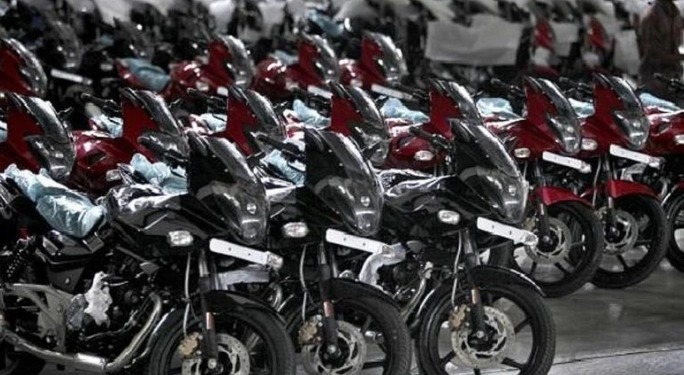
October 2025 will go down in Indian auto-industry history. Retail vehicle sales reached a record 40.2 lakh units, representing a year-on-year growth of approximately 40.5%, according to data from FADA.
What makes the surge even more noteworthy is that it came at a time when multiple favourable factors aligned — festival season demand, major tax cuts, and robust rural spending.
Key Segment Highlights
The two-wheeler segment led the way: sales jumped by roughly 51.8% to about 31.5 lakh units.
Passenger vehicles also posted strong numbers: sales rose by around 11.4%, hitting approximately 5.57 lakh units.
Commercial vehicles, tractors and three-wheelers likewise showed positive growth: CVs were up about 17.7% to ~1.08 lakh units; tractors rose ~14.2% to ~73,577 units; three-wheelers grew ~5.4% to ~1.30 lakh units.
These numbers reflect not just a one‐off demand burst but perhaps a structural shift in vehicle purchases—especially in the two-wheeler and rural segments.
What Spurred the Surge?
Several converging factors triggered this auto spending wave:
Festive Season & Harvest Income: The October period encompassed major festivals (including Dussehra and Diwali) and the harvest income cycle, boosting consumer purchasing power and willingness to spend.
GST Reform (GST 2.0): A simplified Goods & Services Tax regime came into effect, reducing tax rates on entry-level vehicles (especially two-wheelers and small cars). This improved affordability, particularly for first‐time buyers.
Strong Rural Demand: According to FADA, rural markets out-paced urban in this surge. With better crop incomes and improved liquidity in smaller towns and villages, vehicle purchases—especially in budget segments—got a definite push.
Inventory & Supply Catch-up: After a lull in early September (during the GST transition), showrooms and dealers came into October with renewed momentum, enabling more conversions from enquiries to sales.
Implications for the Industry
Affordability Gains: The tax cuts made it easier for more consumers to step into vehicle ownership, especially in the two-wheeler category.
Rural Becomes Key Growth Engine: The growth in smaller towns signals that auto manufacturers and dealerships may need to keep sharpening their focus on non-metro demand drivers.
Pressure on Supply Chains & Dealer Networks: A demand surge of this magnitude will test vehicle availability, waiting-periods, stock levels and after-sales support. Dealers will need to manage inventory smartly to avoid backlogs.
Momentum into Year-End: With the major festivals behind and weddings + harvest cash flows still in play, the industry looks set for a strong final quarter—though managing sustainability will be key.
Final Thoughts
The October 2025 numbers from FADA mark a remarkable milestone: 40.2 lakh vehicle units sold, driven strongly by two-wheelers, festive buying and GST reforms.
But while it’s a moment to celebrate, the real challenge for the auto industry is converting this surge into sustainable long‐term growth. That means ensuring vehicle availability, after-sales service, and continued affordability—not just peak moments.
If you’re a stakeholder (manufacturer, dealer or investor) or a consumer watching the auto market, the message is clear: the landscape is shifting, and the smart play is to be ready.
FAQs
Q1. Does a spike in October imply similar sales all year?
Not necessarily. October benefited from multiple tailwinds (festivals, tax cuts, rural income). Maintaining growth through slower months will require consistent demand and industry readiness.
Q2. Are small cars also seeing major growth?
Yes, though the two-wheeler segment posted the strongest growth. Small cars are benefiting from affordability gains via tax cuts, but waiting periods and supply constraints remain.
Q3. How much of this growth came from rural areas?
A significant share. FADA’s data indicate that rural demand grew faster than urban across key segments, signaling a shift in demand geography.
Q4. What risks remain despite the boom?
Potential risks include inventory buildup if demand softens, supply-chain disruptions, rising interest rates or fuel costs, and vehicle finance becoming costlier for consumers.
Published on : 7th November
Published by : SMITA
www.vizzve.com || www.vizzveservices.com
Follow us on social media: Facebook || Linkedin || Instagram
🛡 Powered by Vizzve Financial
RBI-Registered Loan Partner | 10 Lakh+ Customers | ₹600 Cr+ Disbursed