

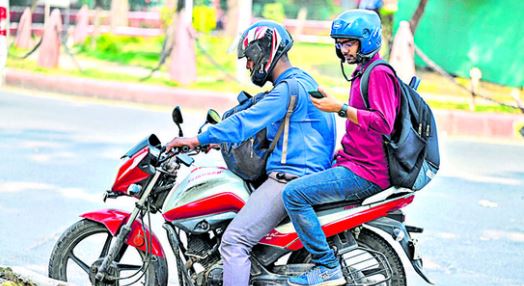
Karnataka Bans Bike Taxi Services: Ola, Uber, and Rapido Affected
The Karnataka government has imposed a ban on bike taxi services provided by platforms like Ola, Uber, and Rapido, effective immediately. The move has sparked sharp reactions from thousands of gig workers who depend on these services as their primary source of income.
While authorities cite regulatory and safety concerns, drivers argue that the ban directly threatens their livelihood and the affordability of urban transport for daily commuters.
Why Were Bike Taxis Banned?
According to state transport officials, the ban comes in response to:
Lack of legal registration of two-wheelers for commercial use
Concerns over passenger safety, insurance coverage, and background checks
Violation of transport rules, as bikes are not permitted for fare-based commercial rides under current laws
A senior transport department officer stated that aggregators had been repeatedly warned but continued to operate illegally.
What Drivers and Users Are Saying
Many bike taxi riders have voiced frustration and anxiety, saying this decision leaves them with no alternative means of income.
“This is not a side income — this is how we survive,” said a Rapido driver based in Bengaluru.
Commuters too expressed concern, highlighting the importance of bike taxis for last-mile connectivity, especially in areas where public transport is limited or congested.
Impact on Gig Economy and Urban Mobility
Loss of income for thousands of drivers in Bengaluru and other cities
Increase in transport fares due to reduced low-cost ride options
Higher traffic congestion as commuters shift to private vehicles
Pressure on public transport infrastructure
Startups in the shared mobility sector fear a regulatory ripple effect across other Indian states, calling for centralized policy clarity.
FAQs: Karnataka Bike Taxi Ban Explained
Q1: Why has Karnataka banned bike taxis?
The ban was imposed due to legal and safety issues, including lack of commercial registration, insufficient insurance, and concerns over passenger protection.
Q2: Which services are affected by this ban?
The ban applies to bike taxi services offered by Ola, Uber, Rapido, and similar ride-sharing platforms operating two-wheelers for paid rides.
Q3: Can bike taxis legally operate under any framework now?
No, under current state transport laws, two-wheelers cannot be used for commercial ride-sharing. Aggregators must halt these operations or face penalties.
Q4: How are drivers reacting to the ban?
Many drivers say the decision is devastating, as bike taxis were their full-time source of income. They are urging the government to reconsider or offer alternative employment support.
Q5: Will the ban affect commuters?
Yes, particularly in cities like Bengaluru where bike taxis serve as a fast and affordable last-mile option. Commuters may now face higher fares and longer travel times.
Published on: June 12, 2025
Uploaded by: Pankaj
www.vizzve.com || www.vizzveservices.com
Follow us on social media: Facebook || Linkedin || Instagram