

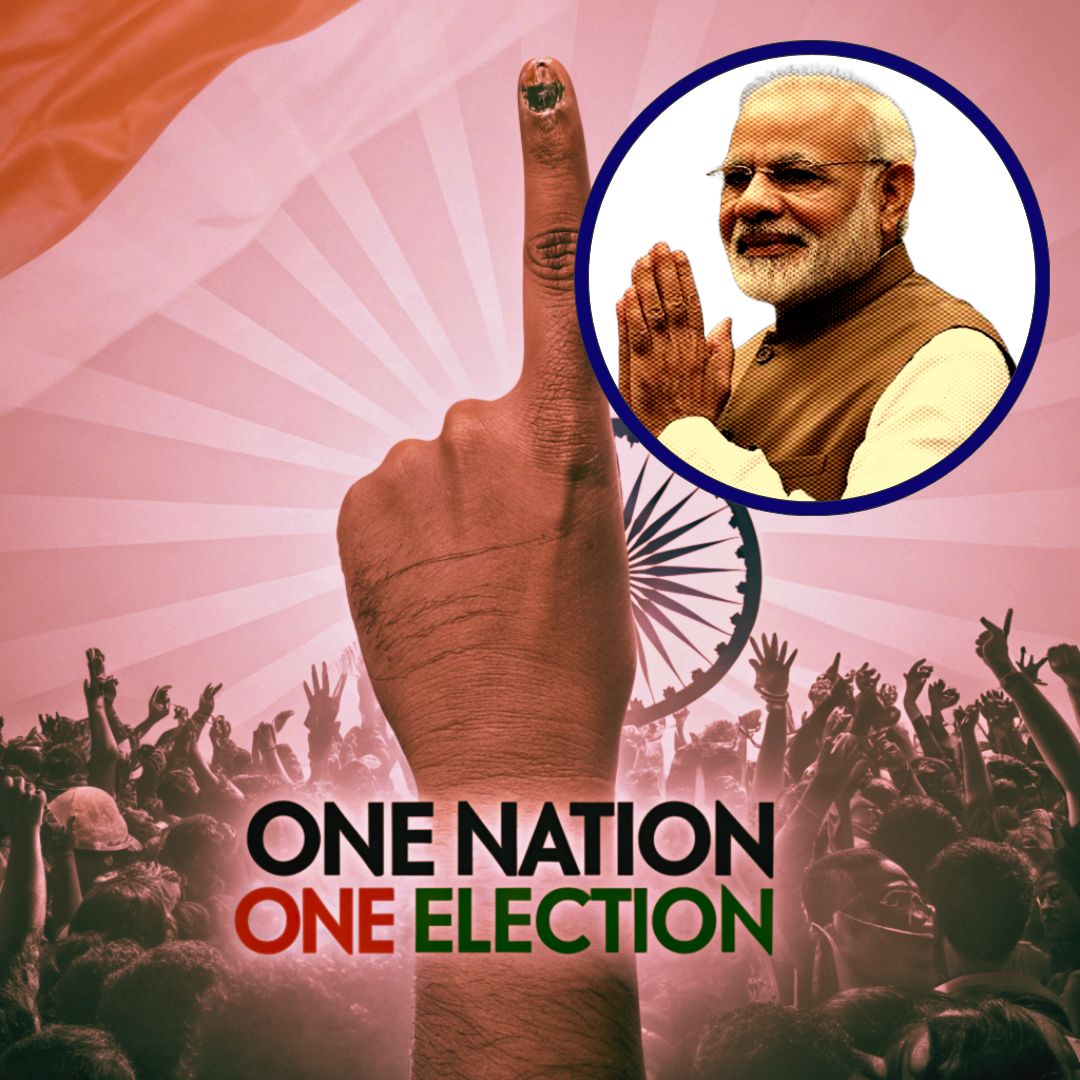
India is known for being the world’s largest democracy — but also for its frequent elections. The One Nation, One Election (ONOE) Bill proposes a sweeping change: synchronizing Lok Sabha and State Assembly elections across the country. As of 2025, the government has revived this bold electoral reform proposal, citing efficiency, reduced costs, and better governance.
But what does this really mean for Indian democracy? Let’s explore.
What Is the One Nation, One Election Bill?
The ONOE Bill proposes that all elections in India — to the Lok Sabha and all State Legislative Assemblies — be held simultaneously every five years.
Currently, different states go to polls at different times, resulting in an almost year-round cycle of elections, campaigning, and model code of conduct restrictions.
Why the Push for One Nation, One Election Now?
✅ Rising costs of frequent elections
✅ Disruption to governance due to repeated model code enforcement
✅ Voter fatigue and political polarization
✅ National and state-level policies getting mixed during separate elections
✅ Boosting administrative efficiency and development continuity
Pros of One Nation, One Election
1. 💰 Massive Cost Savings
According to Election Commission data, the 2019 Lok Sabha elections cost over ₹60,000 crore (including party and EC spending). Simultaneous elections could drastically reduce these costs.
2. 🏛️ Better Governance
The Model Code of Conduct halts new policy decisions during elections. With synchronized elections, governments can function without frequent interruptions.
3. 🧠 Informed Voting
Simultaneous elections may encourage issue-based debates, aligning national and state-level narratives with more awareness and reduced voter confusion.
4. 🗳️ Higher Voter Turnout
Studies suggest combined elections see a greater voter turnout, especially in rural and semi-urban areas where repeated visits to polling booths are hard.
Challenges and Criticism
1. 🏛️ Constitutional Hurdles
Bringing simultaneous elections requires amending at least 5 constitutional provisions, including terms of assemblies (Article 83 & 172). It may also need consent from a majority of states.
2. 🌐 Federal Structure Concerns
Critics argue that this centralizes power and dilutes the federal essence of India, where states have different mandates and political rhythms.
3. 📆 Logistics & Resources
Conducting elections for all 28 states and the Lok Sabha simultaneously would require massive security, manpower, and voting machines (EVMs).
4. 🗣️ Local vs National Issues
There’s a risk that local issues might be overshadowed by national agendas, especially in rural and backward regions.
How Would It Work? Proposed Implementation
Phased Rollout: Starting with grouping elections of a few states together before moving to full-scale synchronization.
Fixed Tenures: States that dissolve early or late may have President's Rule or curtailed/extended tenures for transition.
Constitutional Amendments: A high-powered committee, including legal experts, is tasked with exploring feasible legislative changes.
What It Means for Indian Democracy
| Aspect | Current System | ONOE Proposal |
|---|---|---|
| Elections | Year-round cycle | Every 5 years, all at once |
| Governance | Frequently disrupted | Consistent policy execution |
| Cost | High and rising | Reduced by 30–40% |
| Voter Turnout | Varies, sometimes low | Likely to increase |
| Federal Autonomy | Maintained in staggered elections | Potential dilution, depending on execution |
FAQs: One Nation, One Election Bill
Q1. Is One Nation, One Election already implemented in any country?
Yes, countries like South Africa, Indonesia, and Sweden hold synchronized elections, though their federal systems differ from India.
Q2. Has India ever had simultaneous elections?
Yes. India held synchronized Lok Sabha and State Assembly elections from 1951 to 1967, after which political instability led to decoupling.
Q3. Will this affect state autonomy?
There’s concern it could centralize decision-making, but safeguards can be built to protect state-specific priorities.
Q4. When is this bill expected to be implemented?
As of 2025, the government has formed a high-level committee to draft a proposal. Implementation may take a few years and require consensus across states.
Conclusion: Bold Vision or Centralized Overreach?
The One Nation, One Election Bill has the potential to reshape India’s political landscape — making it more efficient, cost-effective, and focused on governance. However, its success hinges on maintaining federal balance, ensuring that both national and local voices are heard equally.
As the bill progresses, dialogue, consensus-building, and careful planning will be essential to ensure it strengthens, rather than undermines, India’s democratic fabric.
Published on : 29th July
Published by : SMITA
www.vizzve.com || www.vizzveservices.com
Follow us on social media: Facebook || Linkedin || Instagram
🛡 Powered by Vizzve Financial
RBI-Registered Loan Partner | 10 Lakh+ Customers | ₹600 Cr+ Disbursed