

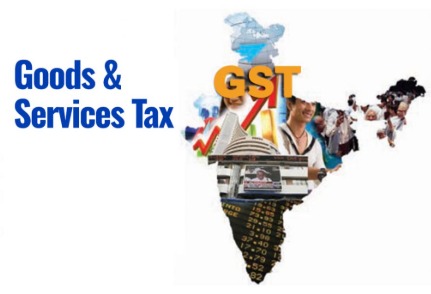
The Goods and Services Tax (GST) has been widely lauded as a landmark reform in India’s taxation system. Yet, a growing opinion argues that states, rather than the central government, deserve recognition for the actual ‘savings’ and efficiencies achieved under GST.
1. States Bear the Implementation Burden
State governments handle compliance enforcement, audits, and grievance redressal.
Administrative costs and IT infrastructure for GST often fall on state machinery.
Without effective state-level execution, GST collection efficiency would lag, limiting actual savings.
2. Revenue Stabilization and Risk Sharing
States take on the risk of revenue shortfalls under the GST compensation scheme.
The Centre’s role in policy framing is crucial, but states’ proactive management ensures steady inflows.
States negotiate sector-specific exemptions and concessions, balancing taxpayer burden with compliance.
3. Localized Decision-Making Drives Efficiency
State tax authorities often adapt rules and processes to local conditions, improving compliance.
States provide capacity-building and education for local businesses to navigate GST, reducing evasion.
These efforts directly contribute to realized GST ‘savings’ for taxpayers and the economy.
4. The Centre’s Role vs. States’ Contribution
The Centre sets rates, policy, and framework, but states operationalize the system.
GST is a federated tax, and its success hinges on cooperation and execution at the state level.
Recognizing states’ contribution is critical to acknowledging the shared effort behind GST success.
FAQs:
Q1. Why are states important in GST implementation?
A1. States manage compliance, audits, grievance redressal, and revenue stabilization, which are crucial for GST’s success.
Q2. Does the Centre not contribute to GST savings?
A2. The Centre frames policy and rates, but operational efficiency and risk management largely rest with state governments.
Q3. How do states handle revenue shortfalls under GST?
A3. Through the GST compensation mechanism, states absorb risks and adjust fiscal policies to maintain revenue stability.
Q4. What role do states play in taxpayer compliance?
A4. States educate businesses, enforce rules, and provide local support, improving overall tax compliance.
Q5. Should states get more recognition for GST success?
A5. Yes, because effective implementation at the state level directly impacts realized GST savings and taxpayer benefits.
Published on : 22nd October
Published by : SMITA
www.vizzve.com || www.vizzveservices.com
Follow us on social media: Facebook || Linkedin || Instagram
🛡 Powered by Vizzve Financial
RBI-Registered Loan Partner | 10 Lakh+ Customers | ₹600 Cr+ Disbursed
https://play.google.com/store/apps/details?id=com.vizzve_micro_seva&pcampaignid=web_share