

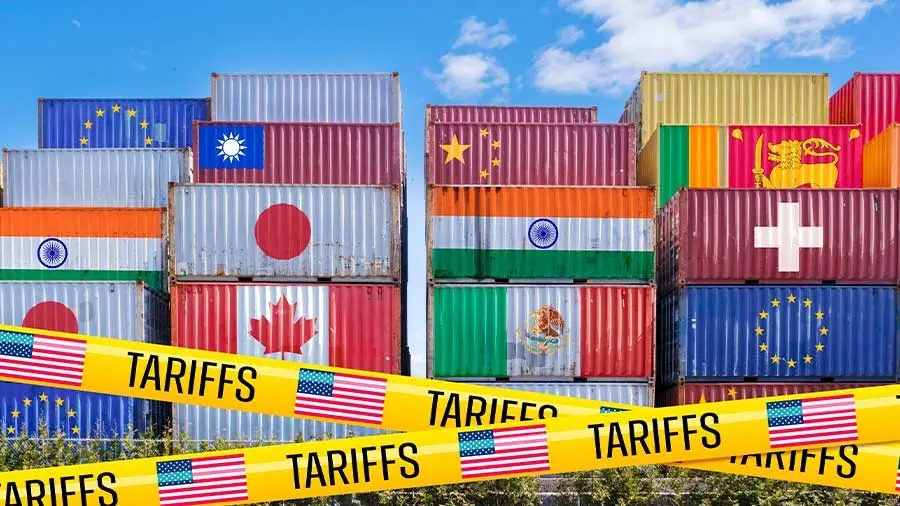
In a major shake-up of global trade relations, the United States now imposes lower import tariffs on over 50 countries — including Pakistan and Bangladesh — than it does on India.
This shift has raised eyebrows in economic and diplomatic circles, as India, the world’s fastest-growing major economy, finds itself at a disadvantage compared to some of its South Asian neighbors.
📦 What Are Tariffs and Why Do They Matter?
Tariffs are taxes imposed by a country on imports from another country. Higher tariffs mean costlier exports and reduced competitiveness for the exporting country.
For example:
📦 An Indian textile product entering the US may face a 15% duty,
While the same product from Bangladesh may only face 8% or less.
📊 Who’s Getting Better Rates Than India?
According to recent US trade data, the countries with more favorable tariff access include:
Pakistan
Bangladesh
Vietnam
Mexico
Indonesia
Several African nations under AGOA (African Growth and Opportunity Act)
✅ Many of these countries benefit from preferential trade agreements or special status, which India currently lacks.
🇮🇳 Why Is India Losing Out?
India lost its Generalized System of Preferences (GSP) status with the US in 2019. This allowed duty-free exports on thousands of products. Since then:
Indian exporters face standard tariff rates
Talks on restoring GSP or similar status have stalled
Geopolitical frictions and trade policy gaps remain unresolved
🧵 Key Impacted Sectors
| Sector | Impact of Tariff Disadvantage |
|---|---|
| Textiles & Apparel | Price-sensitive exports losing to Bangladesh |
| Pharmaceuticals | Increased costs for bulk drugs |
| Leather Goods | Less competitive in US markets |
| Agricultural Exports | Hit by higher duties on spices, rice, etc. |
🇮🇳🇺🇸 What Can India Do?
To regain competitiveness in the US market, India could:
✅ Re-negotiate trade deals with the US
✅ Push for partial or full restoration of GSP benefits
✅ Sign bilateral trade agreements (BTA) similar to what Vietnam or Mexico enjoy
✅ Increase focus on value-added exports and branding
🔍 Final Take: A Wake-Up Call for India’s Export Policy
India’s exporters now face a tougher battle in the US, while Pakistan and Bangladesh enjoy cheaper access to the world’s biggest consumer market.
📣 It’s time for strategic diplomacy, trade reform, and competitive policy making to reclaim India’s export edge.
❓FAQs
Q1: Why does Bangladesh have lower US tariffs than India?
Bangladesh benefits from its Least Developed Country (LDC) status and special trade programs like GSP.
Q2: What is GSP, and why did India lose it?
GSP allows tariff-free access to the US market. India lost it in 2019 due to unresolved trade issues.
Q3: Does this affect India’s exports heavily?
Yes. Especially in textiles, leather, and pharma, where cost matters most.
Q4: Can India get lower tariffs again?
Yes, through negotiations or entering new trade agreements.
Published on : 1st August
Published by : SMITA
www.vizzve.com || www.vizzveservices.com
Follow us on social media: Facebook || Linkedin || Instagram
🛡 Powered by Vizzve Financial
RBI-Registered Loan Partner | 10 Lakh+ Customers | ₹600 Cr+ Disbursed