

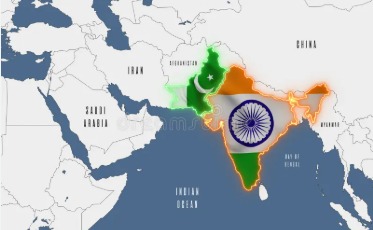
Former CIA officer John Kiriakou stated that Pakistan would lose any conventional war against India and urged Islamabad to stop provocations that risk escalation. Kiriakou — who led counterterrorism operations in Pakistan during his CIA tenure — emphasized that a conventional conflict would be catastrophic for the region.
He also recalled that U.S. intelligence had previously assessed that war between India and Pakistan was a real possibility, underscoring how close the two nuclear-armed neighbors have come to large-scale conflict in the past.
Beyond the assessment of conventional military balance, Kiriakou highlighted concerns about escalation and deterrence, drawing attention to the importance of crisis management and maintaining stability in South Asia.
Key Takeaways
Pakistan would likely lose a conventional war with India, with no strategic gain from provocations.
Historical intelligence shows the region has faced real risks of escalation between India and Pakistan.
Kiriakou’s statement serves as a warning to avoid military escalation and preserve regional stability.
Why Analysts Pay Attention
Perception shaping: Public statements from experienced officials influence policymaker and public perceptions of military balance.
Crisis management emphasis: Highlighting conventional imbalances encourages diplomatic measures to prevent miscalculation.
Policy debate: Sparks discussions on the role of conventional versus nuclear deterrence in South Asia.
FAQ
Q1. Who made this claim?
A: John Kiriakou, former CIA officer with counterterrorism experience in Pakistan.
Q2. Did he refer to nuclear war?
A: No, he referred specifically to conventional warfare (land, air, and naval operations).
Q3. Is this a new position?
A: The idea that India has conventional superiority over Pakistan is consistent with assessments from several analysts; Kiriakou reiterated this from a U.S. intelligence perspective.
Q4. What are the risks of such public statements?
A: They can affect domestic politics, strategic messaging, and public perception, potentially influencing escalation dynamics.
Q5. What should policymakers do?
A: Maintain crisis communication channels, confidence-building measures, credible deterrence, and open diplomatic backchannels.
Published on : 25th October
Published by : SMITA
www.vizzve.com || www.vizzveservices.com
Follow us on social media: Facebook || Linkedin || Instagram
🛡 Powered by Vizzve Financial
RBI-Registered Loan Partner | 10 Lakh+ Customers | ₹600 Cr+ Disbursed
https://play.google.com/store/apps/details?id=com.vizzve_micro_seva&pcampaignid=web_share