

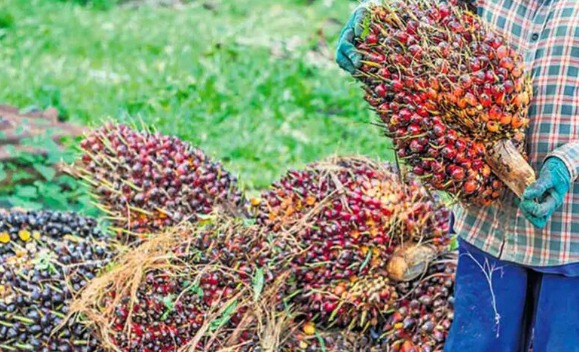
Palm oil prices continued their downward trajectory on Thursday as the market faced the dual pressure of weak global demand and a strengthening Malaysian ringgit. Traders and analysts noted that key buyer markets have shown reduced purchasing momentum, leading to a consistent price slump across the week.
The Malaysian ringgit, which has gained strength recently, is also weighing on prices. Since palm oil is traded internationally in foreign currency, a stronger ringgit makes exports more expensive for overseas buyers, further dampening demand.
Why Palm Oil Is Falling
Market experts highlight two major factors:
1. Weak Demand
Major importing countries are currently purchasing at a slower pace.
Edible oil inventories remain high in several Asian markets.
Competing oils such as soybean and sunflower oil are also witnessing softer prices, reducing the urgency to buy palm oil in bulk.
Analysts say the demand trend “looks like it’s on a downward slope for now,” with buyers adopting a wait-and-watch approach.
2. Stronger Malaysian Ringgit
A stronger local currency makes Malaysian palm oil less competitive globally.
Export margins tighten, impacting producers and traders.
Buyers often delay purchases during currency appreciation phases.
This combination has resulted in persistent pressure on futures and spot prices.
What Traders Are Watching
Traders are closely monitoring:
Export data from Malaysia and Indonesia
Currency movements in key producing nations
Inventory levels at ports and mills
Trends in competing edible oils
Seasonal production patterns
Any shift in these factors could influence price movement in the coming weeks.
Impact on Global Markets
The decline in palm oil prices may:
Lower edible oil prices in domestic markets
Reduce margins for plantation companies
Influence food manufacturing costs
Affect import decisions for countries like India, China, and Pakistan
Lower prices could eventually boost demand, but only if currency pressures ease.
What to Expect Going Forward
Analysts expect palm oil to remain under pressure unless demand improves or the ringgit stabilises.
Short-term volatility is likely, particularly as global economic conditions remain uncertain.
FAQs
1. Why are palm oil prices declining?
Because of weak global demand and a stronger Malaysian ringgit, which makes exports costlier.
2. How does a stronger ringgit affect palm oil prices?
It reduces export competitiveness and discourages international buyers.
3. Are other edible oils also falling in price?
Yes, soybean and sunflower oils have also weakened, reducing palm oil demand.
4. Which countries are major palm oil importers?
India, China, Pakistan, and several African nations.
5. Will palm oil prices rise soon?
Prices may stabilise if demand improves or the ringgit weakens, but short-term pressure is likely.
Published on : 21st November
Published by : SMITA
www.vizzve.com || www.vizzveservices.com
Follow us on social media: Facebook || Linkedin || Instagram
🛡 Powered by Vizzve Financial
RBI-Registered Loan Partner | 10 Lakh+ Customers | ₹600 Cr+ Disbursed
Source Credit: |Reported by Ananya Chaudhuri