

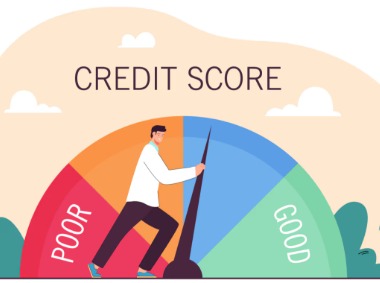
In today’s world, a good credit score is more than just a number — it’s your gateway to financial freedom. Whether you’re applying for a personal loan, home loan, vehicle loan, or even a credit card, your creditworthiness plays a crucial role in determining your loan eligibility, interest rates, and financial credibility.
One of the most powerful ways to enhance your creditworthiness is through timely EMI (Equated Monthly Installment) payments. EMIs may seem like just a monthly obligation, but consistently paying them on time can have a profound effect on your financial health.
1. Builds a Strong Credit History
Your credit history is a record of how responsibly you’ve borrowed and repaid money in the past. Every time you pay an EMI on time, it reflects positively on your credit report.
Example: Suppose you have a personal loan of ₹5 lakh with a 5-year tenure. Paying all EMIs on time consistently demonstrates to lenders that you are a low-risk borrower. This makes banks more likely to approve future loans.
A strong credit history is particularly valuable for those seeking home loans or larger personal loans, as lenders rely heavily on past behavior to assess risk.
2. Improves Your Credit Score
Payment history accounts for roughly 35% of your credit score, making it the most significant factor. Timely EMI payments can:
Increase your CIBIL score gradually.
Help you achieve a score above 750, which is considered excellent.
Reduce the chances of loan rejection or higher interest rates.
Even a single missed EMI can reduce your score by 50–100 points, highlighting the importance of consistency.
3. Better Loan Approvals and Interest Rates
Lenders prefer borrowers who have demonstrated financial discipline. When your EMI payment record is strong:
You enjoy faster loan approvals.
You may qualify for lower interest rates.
You can access higher loan amounts and premium financial products.
Example: A borrower with a 780+ credit score may secure a home loan at 8% interest, while someone with a 650 score might only qualify at 10%, costing thousands more over the tenure.
4. Avoids Late Fees and Penalties
Missing an EMI often comes with late fees, penalty interest, and negative marks on your credit report. Timely payments:
Save money in the long run.
Avoid additional charges that can strain your budget.
Ensure your credit report remains clean, which is essential for future borrowing.
5. Encourages Financial Discipline
Paying EMIs on time instills a habit of budgeting and financial planning. When you prioritize monthly obligations:
You learn to manage multiple loans efficiently.
You avoid the stress of missed payments.
You develop long-term financial habits that benefit overall wealth creation.
Tip: Use auto-debit facilities or calendar reminders to never miss a due date.
6. Positive Impact on Future Borrowing
Consistent EMI payments not only improve your credit score but also increase your credibility with lenders. This can lead to:
Easier approvals for personal, business, or home loans.
Access to higher credit limits on credit cards.
Eligibility for special loan schemes or lower interest rates from MFIs or banks.
7. How EMI Payments Reflect on Your Credit Report
When you pay EMIs on time, credit bureaus update your payment status as “paid on time.” Over time, this:
Builds a strong repayment track record.
Reduces the risk profile perceived by banks.
Supports loan approvals even for higher amounts or risky products.
8. Common Mistakes to Avoid
Even with good intentions, some borrowers accidentally hurt their creditworthiness. Avoid these:
Skipping EMIs unintentionally — set reminders or auto-payments.
Partial payments — always pay the full EMI.
Ignoring statements — review monthly statements to avoid errors.
Pro Tips for Consistent EMI Payments
Set up auto-debit from your bank account.
Maintain an emergency fund to cover EMIs in case of income disruption.
Track due dates using apps or calendars.
Avoid over-borrowing — only take loans you can repay comfortably.
❓ FAQs
Q1. How does paying EMIs on time improve my credit score?
Timely EMIs reflect positively in your credit history, which is the largest factor in determining your credit score. The more consistent you are, the higher your score climbs.
Q2. How long does it take to see improvements in my credit score?
Typically, within 3–6 months of consistent on-time payments, positive changes appear on your credit report.
Q3. Can one missed EMI ruin my credit score?
A single missed EMI can lower your score by 50–100 points and may incur late fees. Promptly paying it can mitigate some of the damage.
Q4. Do all types of loans affect credit scores equally?
Yes, all credit products — personal loans, home loans, vehicle loans, and credit cards — impact your credit score. Timely payments across all products enhance your creditworthiness.
Q5. How can MFIs help improve credit discipline?
MFIs often provide structured repayment schedules, reminders, and financial counseling, helping borrowers maintain consistent EMI payments and improve their credit history.
Conclusion
Paying EMIs on time is more than just fulfilling a monthly obligation — it’s an investment in your financial credibility. From improving your credit score to unlocking better loan opportunities, the benefits are long-term and significant. By cultivating discipline, avoiding late payments, and staying aware of your financial commitments, you can ensure a strong credit history and pave the way for future financial success.
Published on : 10th October
Published by : SMITA
www.vizzve.com || www.vizzveservices.com
Follow us on social media: Facebook || Linkedin || Instagram
🛡 Powered by Vizzve Financial
RBI-Registered Loan Partner | 10 Lakh+ Customers | ₹600 Cr+ Disbursed
https://play.google.com/store/apps/details?id=com.vizzve_micro_seva&pcampaignid=web_share